

TECH REVIEW – High blood pressure is especially dangerous because it can damage blood vessels, the heart, brain, and kidneys for years without producing obvious symptoms. The HUAWEI WATCH D3 tackles that problem with something far more substantial than another colorful wellness graph: an inflatable cuff built into the watch strap that uses the same oscillometric principle as conventional automatic blood pressure monitors to measure systolic and diastolic pressure. It also does this inside an 11.3mm-thick device that increasingly looks like a normal premium smartwatch, complete with 24-hour ambulatory blood pressure monitoring, ECG, sleep tracking, and more than 100 workout modes. The D3’s biggest achievement is no longer simply fitting a blood pressure monitor into a watch; it is making that blood pressure monitor almost disappear.
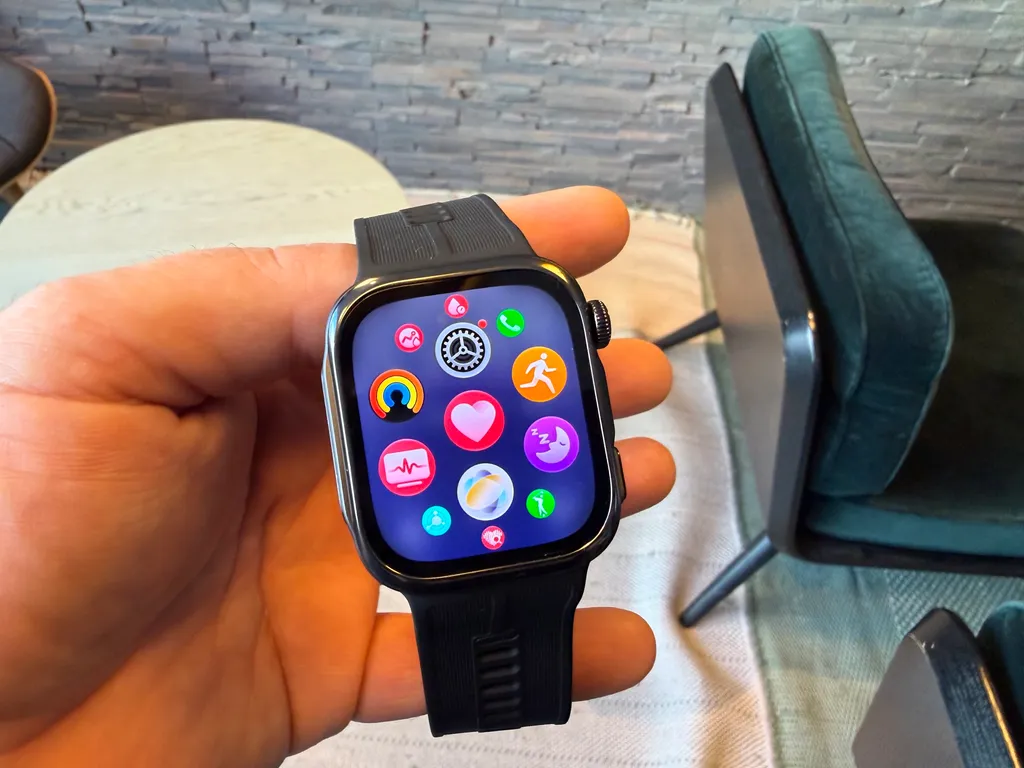
The first HUAWEI WATCH D looked unmistakably like a medical gadget. It was thick, its strap was unusual, and one glance made it obvious that something more complicated than step counting was happening underneath. Four years later, the D3 could easily be mistaken for an ordinary premium Huawei watch. Its aluminum body is 11.3mm thick and weighs around 40 grams without the strap, while the 1.92-inch AMOLED display offers a 480 x 408 resolution and up to 3000 nits of peak brightness.
At Huawei’s Hungarian launch event, however, the display quickly became a secondary topic. Moderated by Kriszta D. Tóth, the discussion brought together cardiologist Dr. Edit Metz, pharmacist and behavioral analyst Dr. Dóra Kurucz, and healthy-aging specialist Péter Lakatos. The central issue was not watch faces but the fact that roughly 3.4 million Hungarians aged 30–79 live with hypertension, while a substantial proportion remain undiagnosed. Dr. Metz estimated that roughly 30–35 percent of Hungarian hypertension cases may still be unknown to the people who have them. The phrase “silent killer” suddenly sounds a lot less dramatic.
It Does Not Estimate Blood Pressure; It Actually Measures It
This is the key difference between the Watch D3 and most wearables that claim to measure blood pressure. Conventional smartwatches may use optical sensors and algorithms to infer cardiovascular trends. Instead, the D3 hides a miniature pneumatic pump and inflatable airbag inside its strap. The cuff compresses the wrist, pressure sensors detect pulse-wave oscillations, and the system calculates systolic and diastolic values from those changes.
The blood pressure function carries European CE-MDR medical-device certification, which matters far more than another vague wellness badge. That certification does not turn the watch into a cardiologist. Huawei explicitly warns users not to diagnose themselves, change medication, or ignore medical advice based solely on its readings. The D3 is a serious measuring instrument, but it remains just that.
Proper technique is also essential. The user should sit, stay still and silent, keep their feet on the floor, support their elbow, and hold the watch at heart level. Cuff sizing matters too: the M cuff is intended for wrists between 13 and 16cm, while L covers 16.1–21cm. No wearable can politely negotiate with physics if the user is waving an arm around while answering a phone call.
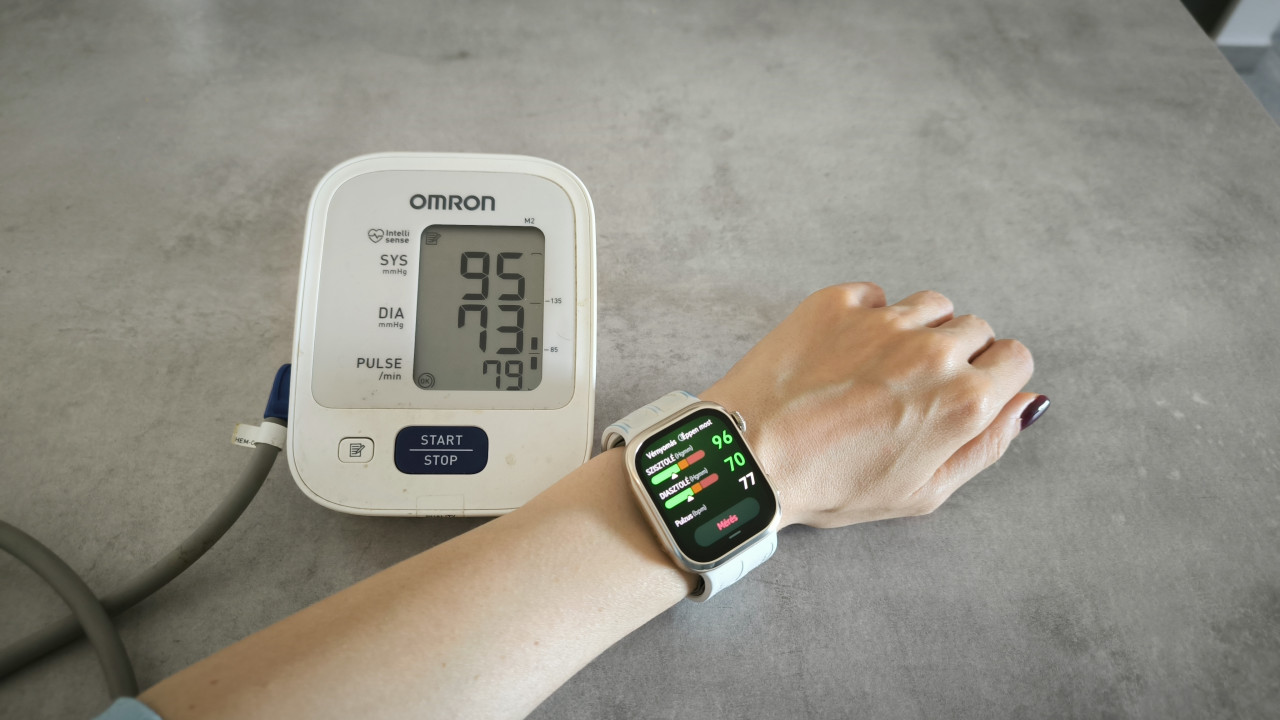
Under good conditions, real-world comparisons have been impressive. In the review watch supplied for this article, the D3 stayed within roughly ±5 mmHg of a conventional upper-arm monitor when the proper posture was used. A recent Hungarian review reported differences of around 3 mmHg, while another independent comparison found an average absolute systolic deviation of 4.6 mmHg. These are not clinical validation studies, and other testers have observed slight systolic under-reading or higher diastolic values in some cases. That’s why trends matter more than panicking over one isolated number.
The 24-Hour Monitoring Is Where It Becomes Truly Interesting
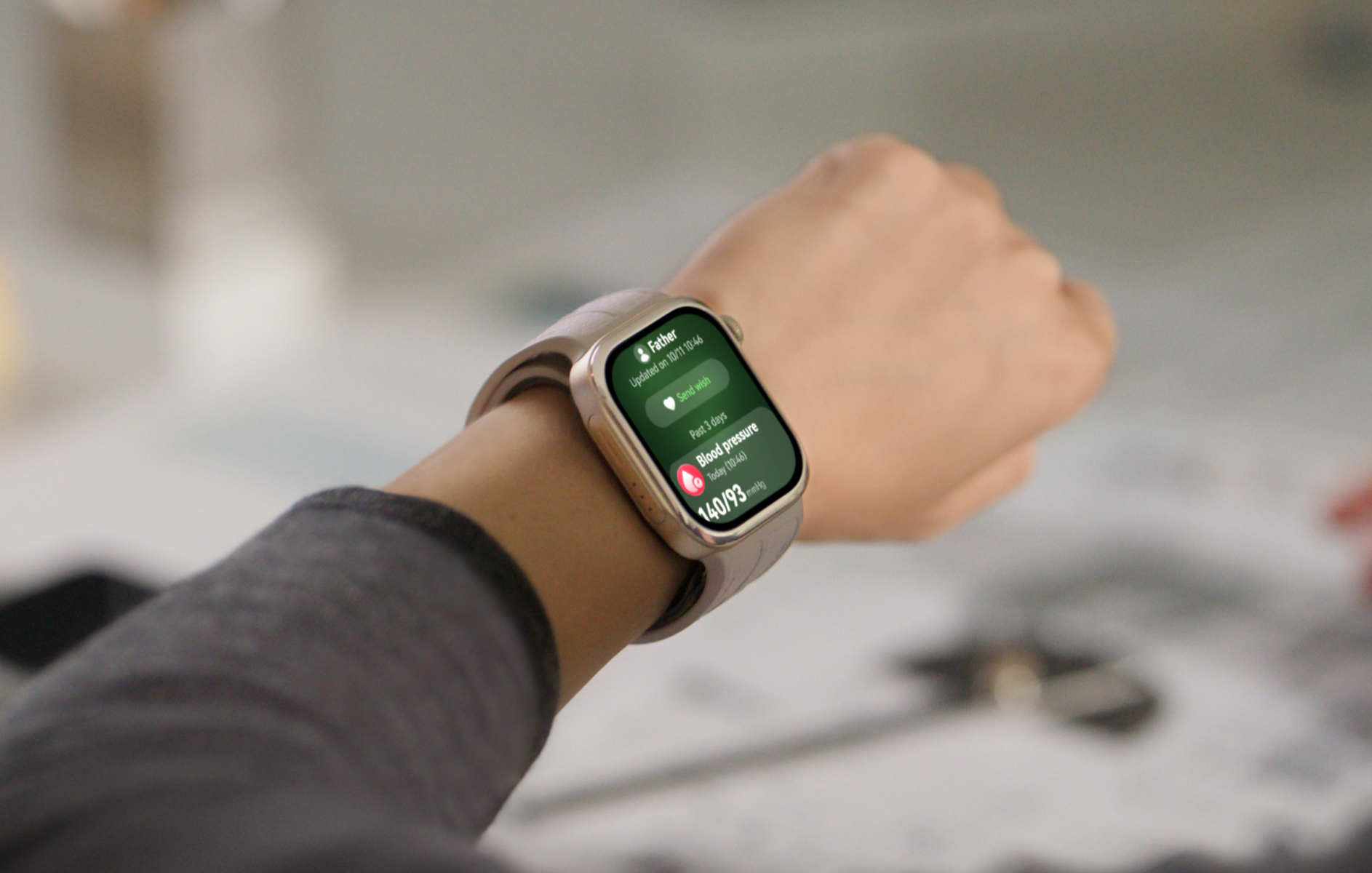
A single resting blood pressure reading is useful, but it is still only a snapshot. Pressure changes with the morning, stress, walking, and sleep. One of the Watch D3’s most valuable features is therefore ABPM, or ambulatory 24-hour blood pressure monitoring. The watch inflates the cuff at scheduled intervals, collects daytime and nighttime readings, and then generates averages, trends, and reports in Huawei Health.
This moves closer to what hypertension specialists actually want to see. Blood pressure isn’t an exam score taken at breakfast and fixed until bedtime. Day-night differences, stress response, and nighttime dipping patterns can tell a much more useful story. Dr. Dóra Kurucz made a similar point during the Hungarian presentation: one abnormal number should not become an obsession; the longer-term trend matters more.
Automatic monitoring does have a physical cost. The cuff tightens around the wrist several times during sleep. Some people barely notice it; light sleepers may notice it at all. The author of the supplied review even dreamed about being handcuffed while the watch was inflating. Huawei probably couldn’t have commissioned a better illustration of what a nighttime cuff feels like.
ABPM also hits battery life hard. Huawei quotes up to six days in typical use, but a full monitoring plan at 15-minute intervals can cut that to about one day. In the independent test supplied here, heavy use including an Always-On display, health measurements, exercise, calls, and ABPM still left 52 percent after 24 hours, so results will vary substantially. The point remains: continuous blood pressure tracking turns this from a “charge it once a week” watch into something that deserves regular access to its charger.
WHO estimates around 1.4 billion adults aged 30–79 worldwide were living with hypertension in 2024, and roughly 44 percent were unaware of it. Hungary’s situation is even more troubling: the country figures discussed at the local launch put prevalence at around 55 percent in this age group. Smartwatch health competition has spent years adding sleep scores, stress rings, and colorful motivational icons. The D3 is more interesting because it makes clinically meaningful measurement easier to repeat.
There is no need to fetch a separate upper-arm device every time, wrap the cuff, and turn blood pressure monitoring into a small household ceremony. The D3 is already on the wrist. If that convenience changes someone from checking once a month to checking regularly, the device may improve awareness before any algorithm starts offering advice.
There is also an opposite danger: drowning in data. Péter Lakatos discussed “analysis paralysis” at the Hungarian event, the tendency to turn health tracking into a full-time anxiety project. One unusual value leads to five new measurements, three forum searches, and a 2 a.m. investigation into heart-rate variability. The Watch D3 is useful when data becomes actionable information, not when every natural fluctuation gets its own disaster movie.
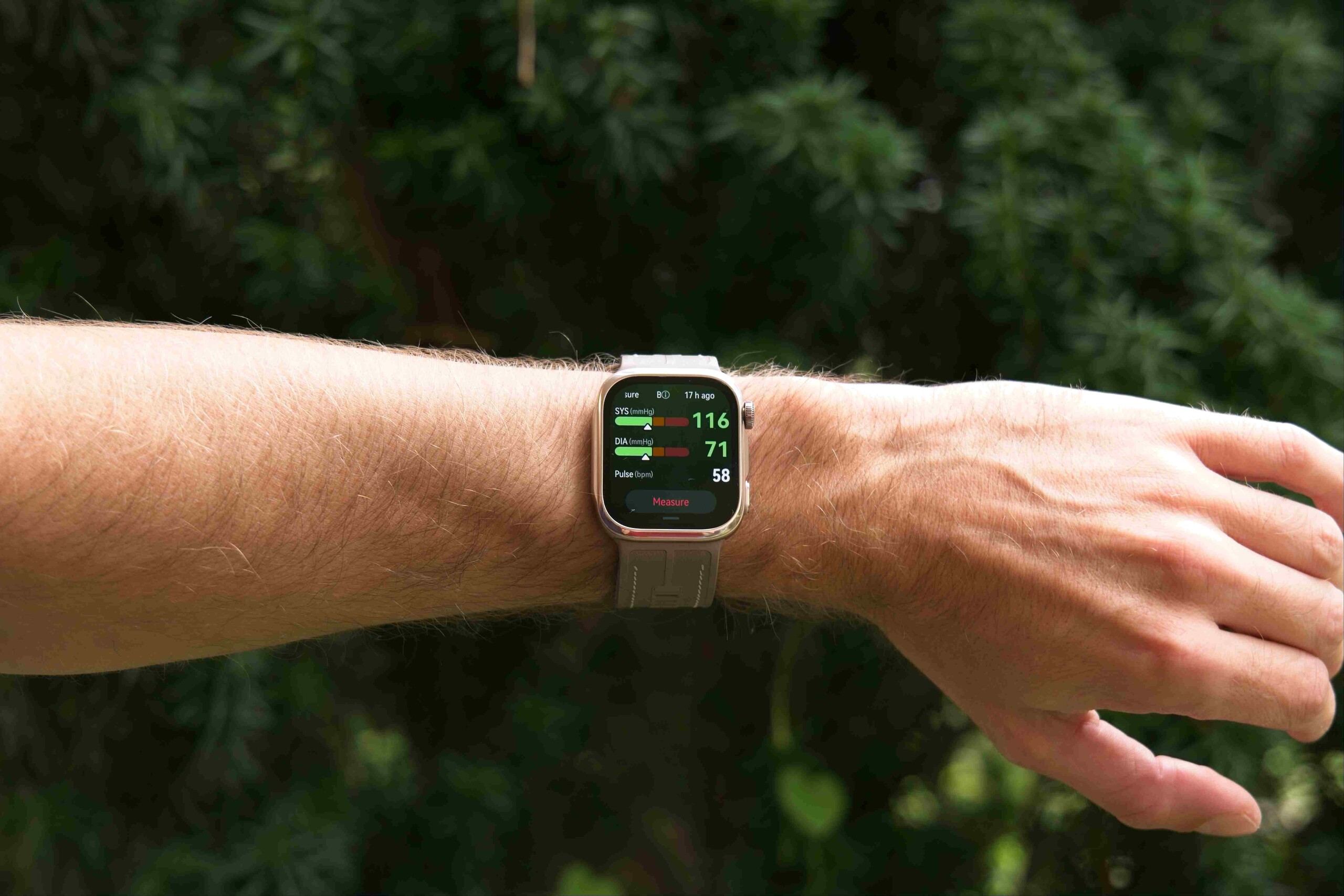
Huawei did not stop with the pneumatic trick. The Watch D3 includes single-lead ECG, heart-rate monitoring, blood oxygen, HRV, skin temperature, sleep analysis, stress tracking, and pulse-wave arrhythmia analysis. Health Glance combines numerous metrics into a quick overview, while Family Health Community lets family members share selected health information and alerts.
That family feature has genuine potential for older relatives. Not because everyone needs to remotely count how many steps grandma took before lunch, but because an unusual blood pressure trend or unexpected heart-rate event may become visible sooner. Still, caring and 24-hour telemetry aren’t automatically the same; these features work best when everyone actually wants to share the data.
The sports side is substantial too. It offers more than 100 workout modes, and running metrics include power, vertical oscillation, ground contact time, and VO2Max. The D3 can also perform blood pressure checks before and after selected activities such as running, walking, and cycling. It doesn’t continuously inflate the cuff while you sprint; it compares readings around exercise and can warn against intense activity if your pre-exercise value is too high.
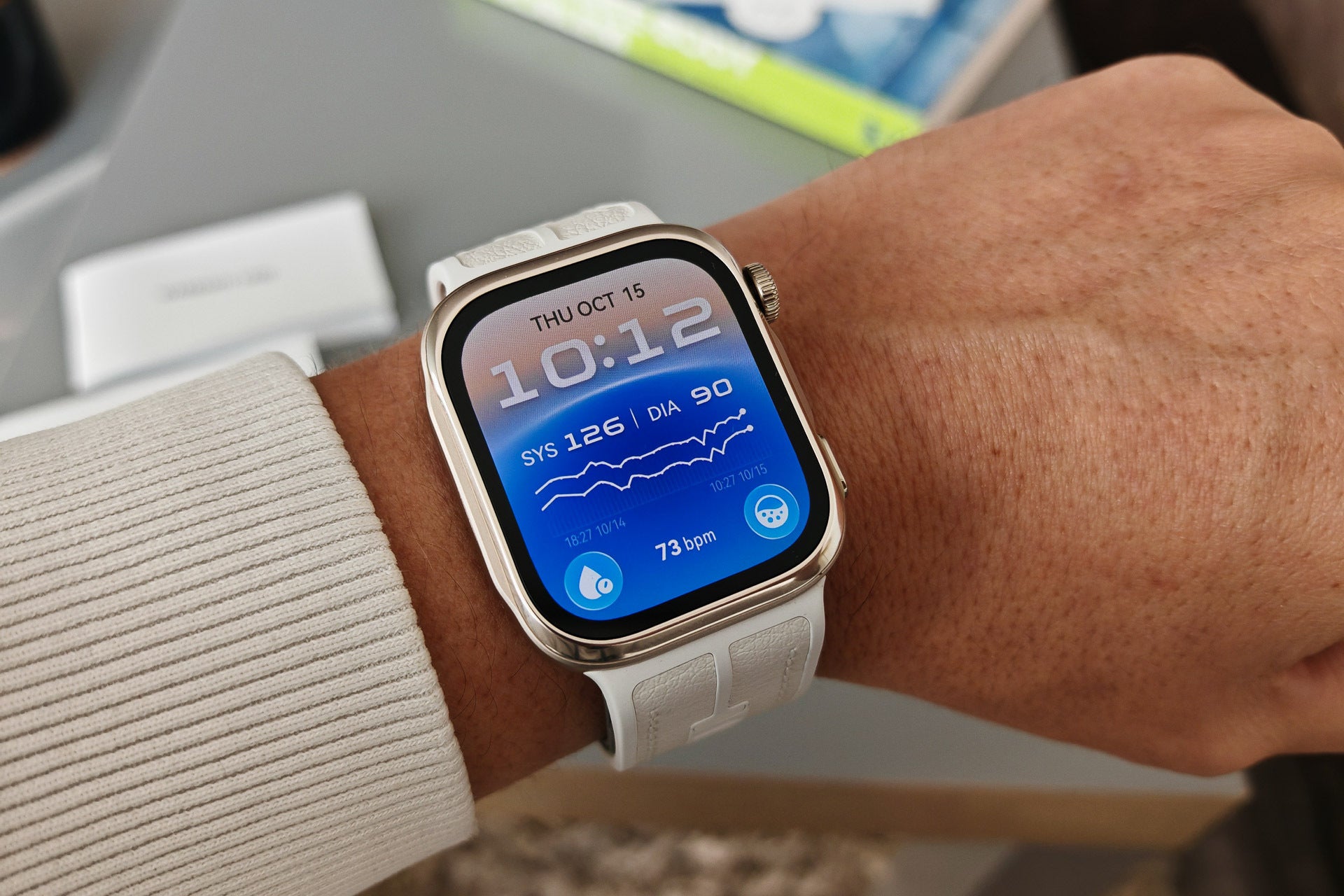
It Finally Looks Like a Normal Watch
One of the most impressive engineering achievements is how little medical hardware remains visible. At 11.3mm thick and roughly 40g for the watch body, it no longer feels like a hospital device strapped to the wrist. The proprietary 22mm strap is still thicker than a normal sports band because the inflatable cuff lives inside it, and it can feel warmer when the wrist gets sweaty, but comfort has improved enormously over earlier generations.
The 1.92-inch AMOLED panel is excellent. Its 480 x 408 resolution works out to roughly 328 ppi; text is crisp, graphs are easy to read, and the 3000-nit peak brightness delivers excellent outdoor visibility. It is amusing to remember that the original model’s biggest question was whether anyone could tolerate its bulk. With the D3, the more surprising fact is that the person next to you probably has no idea there is a blood pressure monitor hidden in the strap.
There is Bluetooth calling, NFC with Curve Pay, notifications, calendars, music controls, and the usual Huawei smartwatch conveniences. Android and iOS are both supported. Huawei’s familiar weakness remains the third-party app ecosystem: the catalog is much thinner than Wear OS or watchOS, and it lacks Wi-Fi or cellular connectivity. This is not a tiny independent communicator that happens to live on the wrist.
Another compromise is water. This is not a watch you should casually leave on for swimming, showering, or sauna use. Huawei specifically instructs users to protect the cuff system from moisture and chemicals. For a watch offering more than 100 exercise modes, that feels slightly like buying an SUV with a note reminding you not to take it into mud, but the pneumatic hardware explains the restriction.
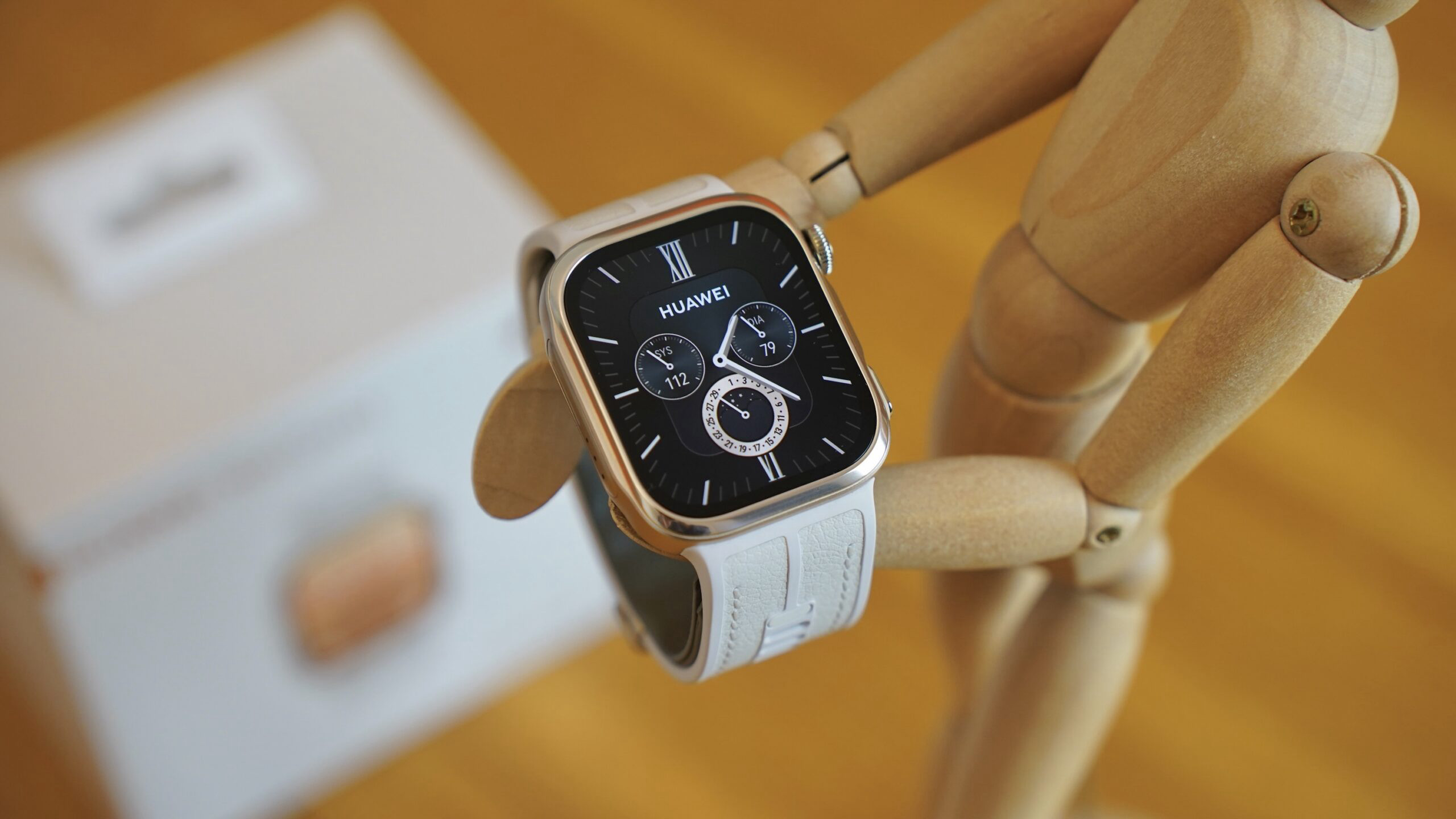
The HUAWEI WATCH D3 is priced at roughly HUF 185,000 in Hungary, which is substantial if viewed purely as a smartwatch. Excellent Apple Watches, Galaxy Watches, and sports watches sit in the same price range. The D3’s value is not in having the largest app library. Most competitors don’t offer a real inflatable cuff, CE-MDR-certified blood pressure measurement, and 24-hour ABPM in this form.
If blood pressure monitoring is irrelevant to you, the D3 is excessive. Cheaper watches offer better app ecosystems and more reliable water resistance. For somebody living with hypertension, regularly monitoring blood pressure, carrying a family risk, or simply taking cardiovascular trends seriously, however, the value proposition changes dramatically.
Not because every reading is infallible. No blood pressure monitor deserves that assumption. The real achievement is that D3 removes much of the friction from regular measurement. It sits on the wrist, reminds you, builds trends, records nighttime values, and creates reports that can be discussed with a doctor. The best health technology often doesn’t think for us; it simply helps us consistently do something we’ve kept postponing.
That is why the Watch D3 stands out. As a smartwatch, it is very good. As a health device, it operates in a category with very few direct competitors. It cannot defeat the Silent Killer by itself, and it does not replace doctors, diagnosis, or treatment. What it can do exceptionally well is make that killer a little less silent.
-Gergely Herpai „BadSector”-
Pros:
+ Genuine cuff-based blood pressure measurement and 24-hour ABPM
+ Excellent AMOLED display, slimmer design, and surprisingly comfortable wear
+ Extremely comprehensive health tracking with ECG, HRV, sleep, and family features
Cons:
– The special cuff means taking it off for swimming, showering, and sauna use
– Limited third-party apps, no Wi-Fi or cellular connectivity
– ABPM cuts battery life sharply, while the price is high for a conventional smartwatch
Manufacturer: Huawei
Model: HUAWEI WATCH D3
Display: 1.92-inch AMOLED, 480 x 408 pixels, up to 3000 nits
Health: Cuff blood pressure, ABPM, ECG, heart rate, SpO₂, HRV, skin temperature, sleep tracking
Sports: More than 100 workout modes, pre- and post-exercise blood pressure checks
Connectivity: Bluetooth, NFC / Curve Pay
Compatibility: Android 9.0 or later, iOS 13.0 or later
Battery: Up to 6 days typical use, around 1 day with full ABPM
Hungarian price: Approximately HUF 184,999
HUAWEI WATCH D3
Design/Display - 9.5
Health/Blood Pressure - 9.9
Sports/Sleep - 9.1
Software/Smart Features - 8.7
Battery/Value - 8.8
9.2
AWESOME
The HUAWEI WATCH D3 combines genuine cuff-based blood pressure measurement, 24-hour ABPM, ECG, and broad health tracking. It is expensive and does not replace a doctor, but it is one of the most compelling smartwatches for regular blood-pressure monitoring.




Leave a Reply