
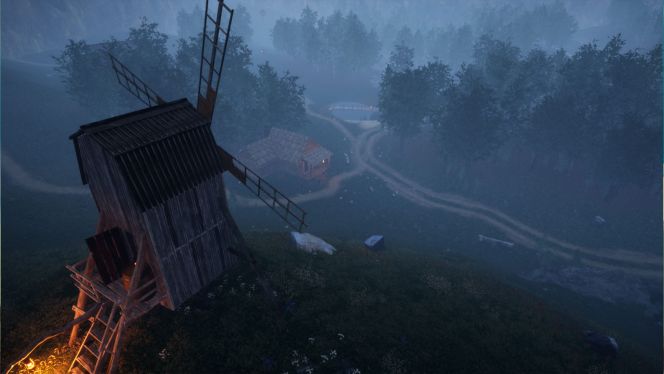
REVIEW – Three years after its original release on PC, One Step After Fall has finally landed on PlayStation 5 (which is frankly laughable, considering the Xbox Series version only needed a single year). Since this is a walking simulator, you already know what to expect: there’s barely anything that could make The Bergson’s Games Studio and Qubyte Interactive’s game exciting for the average player.
The protagonist suffers the loss of important people, spiraling into depression and questioning his very existence—a setup that almost feels like the writer is projecting his own woes onto the cast, but let’s just assume that’s a coincidence.
Steve Robinson and His Successes
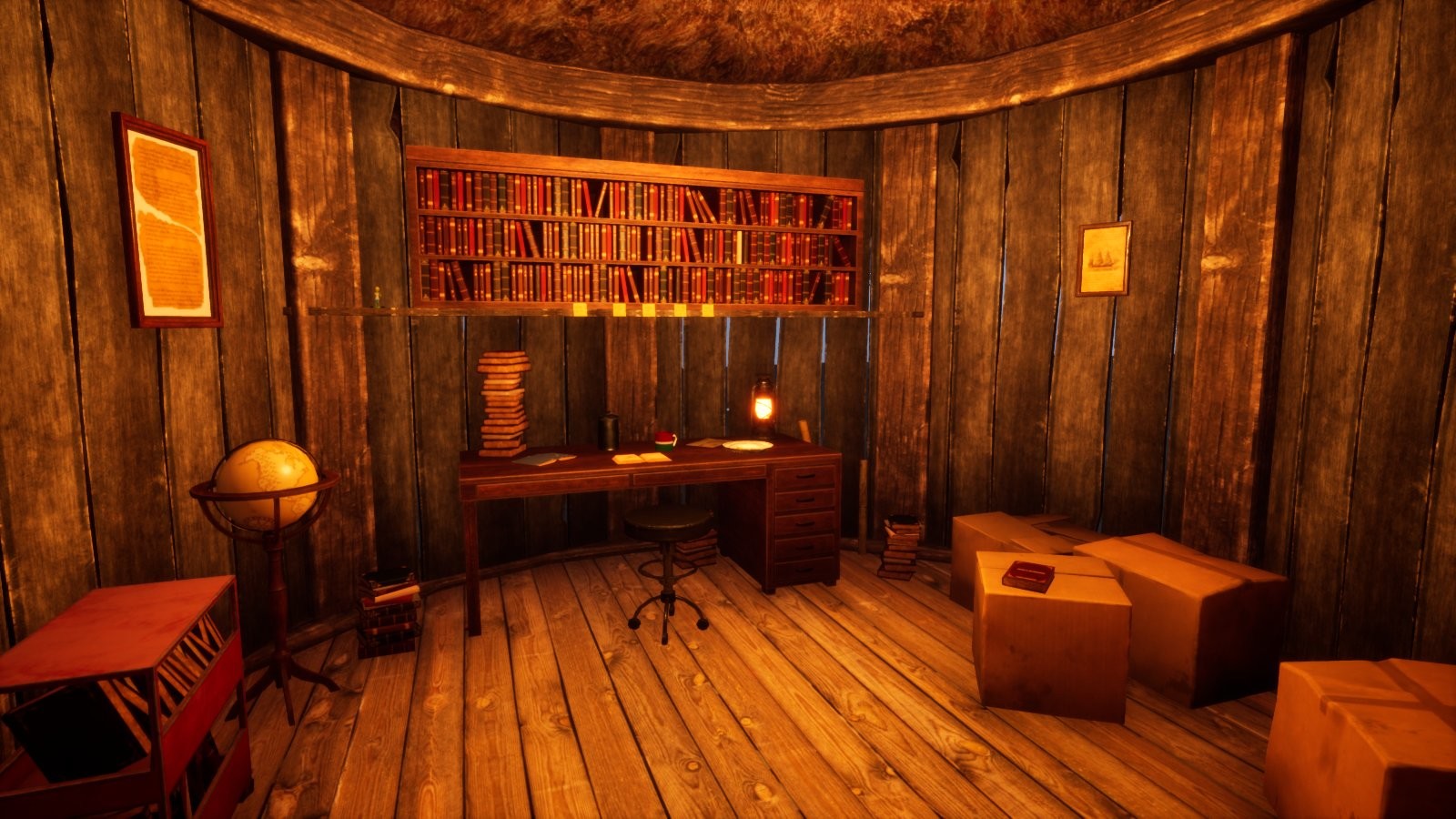
Our hero, Steve, is supposed to be successful, but then a cascade of events causes him to lose key people from his life. This prompts him to question his own work and his place in the world. Depression and mental health become recurring themes throughout OSAF, but it’s the sort of game where even the platinum trophy can be obtained in just fifteen minutes. No, that’s not a typo—search for it on YouTube and you’ll find a video walkthrough clocking in at 12:40. The full longplay? Just 12 minutes. Is this a joke? Not at all, but I’m supposed to fill four thousand characters about it (which is a bad joke in itself). The walking sim is played in first-person, with you controlling Steve. So let’s get through the obligatory PlayStation 5 mechanics (which, by the way, has already been out for three months): you look around with the right analog stick and move with the left.
You can run by holding L1, crouch with circle, jump with X, and interact with objects using square. Press up on the D-Pad to bring up the inventory, and use L2 then R2 to use items. There’s even a scarecrow in OSAF—one of the game’s highlights (seriously, it’s a fifteen-minute experience, what else should I talk about?). Gameplay progresses by picking up letters in the correct order. This game is the textbook definition of linear, which means there is absolutely zero replay value (in fact, it perfectly fits the “lunch break” game category). If you happen to break the intended sequence, you might find yourself wandering aimlessly, unable to progress.
This begs the question: even for such a short game, was that five dollars (about 2,000 forints) better spent on something else, like a decent meal? Yes, that’s what the game costs on PlayStation Network, and honestly, it wouldn’t be surprising if Sony just chucked it into PlayStation Plus Essential one month, given the increasingly laughable selection of games on subscription services these days (and even PlayStation Plus Premium isn’t immune, as paying customers get less and less for their money). With that, we’ve reached the bottom of the first page and we’re already halfway through—so where to next?
Getting Back Up Isn’t Always an Option
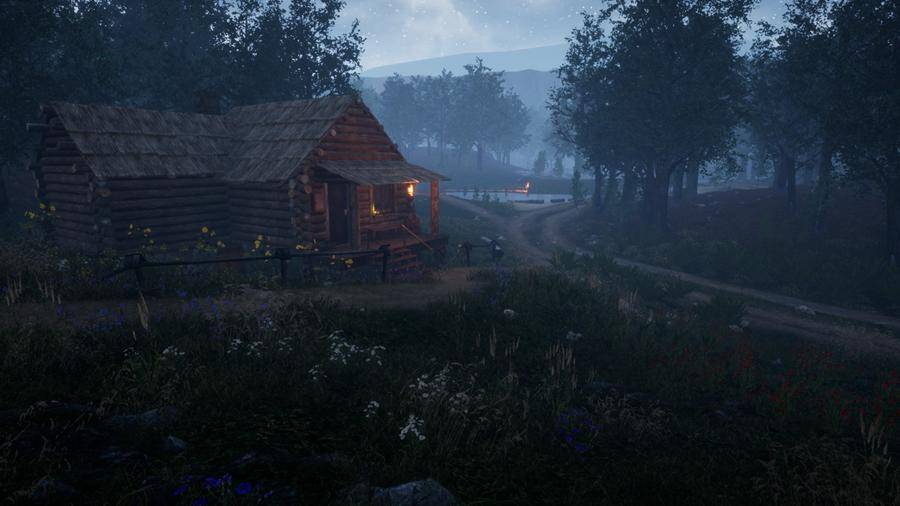
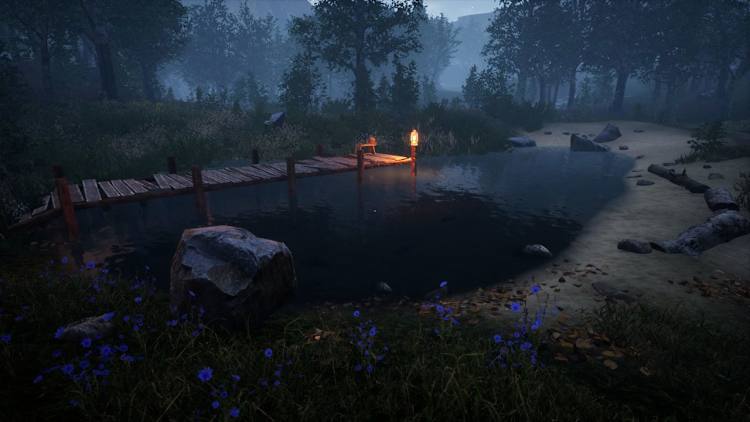
Steve is flooded by childhood memories—homes, forest landscapes, and other emotionally charged places. There’s an abundance of internal monologues, and regret, grief, and redemption are key elements in the story. The writing style feels somewhat immersive, but also a bit raw. Sometimes it spoon-feeds the more important moments, and in a game like this—especially a walking simulator—you’d want more room for personal interpretation. This not only hurts the atmosphere but also diminishes replayability, as the player just won’t feel connected to the story or its events. No puzzles, no enemies, no choices. The result? Monotony. The visuals aren’t much to write home about (at best, they’re strictly average), although the subdued background colors do a good job mirroring Steve’s mental state. The voice acting quality is all over the place, and the soundtrack is rather understated. Even though the developers aimed for emotional authenticity, it never quite lands.
The real problem is that while the subject matter is actually interesting, the execution never rises above average. That’s why OSAF is so divisive: it has a few decent ideas, but within a single hour, you’ll have seen all it has to offer, and you’ll never revisit it. Life’s darker moments are formative for everyone—sometimes a death leads to a more withdrawn (but stubborn) personality, elsewhere it creates a more open but shy character.
One Misstep, One Giant Leap
One Step After Fall simply doesn’t deserve more than a 5.5/10. Sure, it’s cheap, but a game shouldn’t try to cram everything into an hour. It’s okay, but shallow, unfinished, and only gets noticed because of the topic it’s built around.
-V-
Pros:
+ The central theme
+ The price
+ The scarecrow
Cons:
– Incredibly short
– Chaotic writing and presentation
– Linear, single-play experience…
Developer: The Bergson’s Games Studio
Publisher: Qubyte Interactive
Genre: walking simulator
Release: March 15, 2022 (PC), January 5, 2023 (Xbox Series), April 3, 2025 (PlayStation 5)
One Step After Fall
Gameplay - 5.1
Graphics - 5.2
Story - 6.8
Music/audio - 6.2
Ambiance - 4.8
5.6
AVERAGE
This game is about as memorable as a lunch break sandwich: a fleeting experience, quickly forgotten. The concept is intriguing, but the execution simply doesn’t hold attention. Worth a single try, but no one will be longing for a second playthrough.













Leave a Reply