
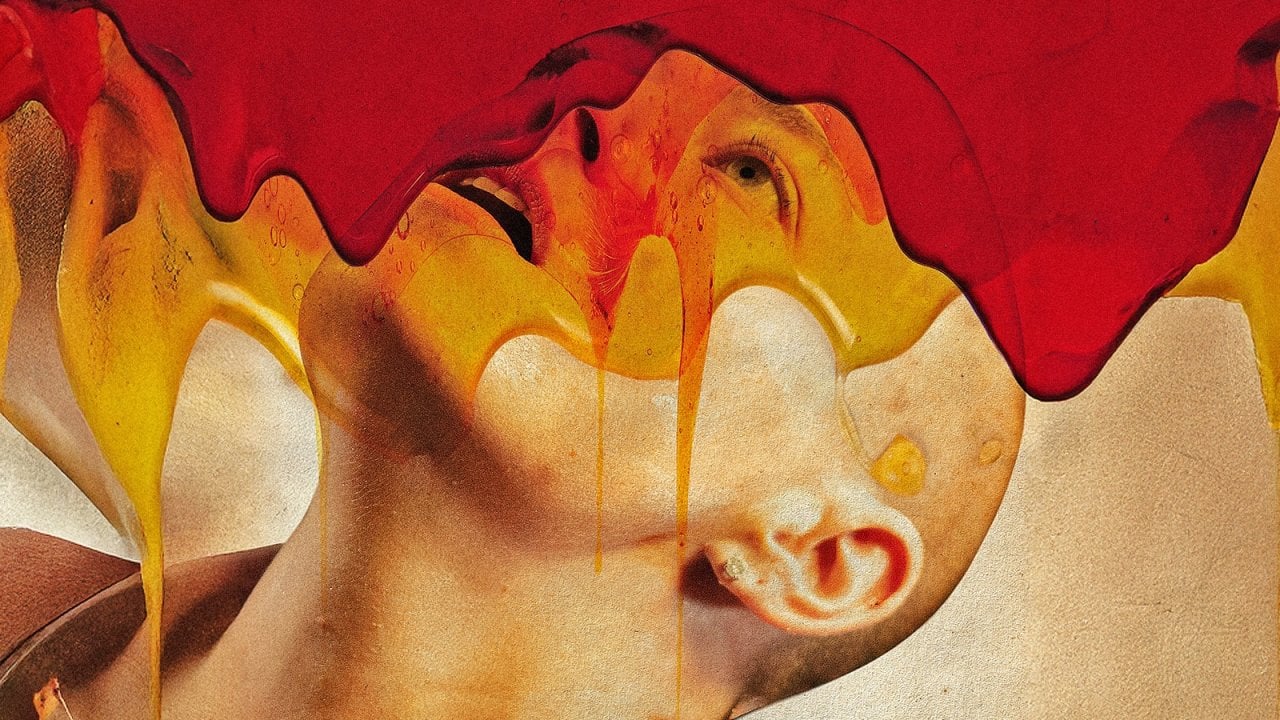
MOVIE REVIEW – Yorgos Lanthimos isn’t just rewrapping an old favorite; he’s cutting straight to the bone. His English-language take on the 2003 South Korean cult classic Save the Green Planet! is leaner, icier, and deliberately unforgiving. Jesse Plemons and Emma Stone play a cat-and-mouse game that veers from uneasy laughter to a punch in the gut, because the line between delusion and reason is a razor’s edge here. The humor works like acid, and the next cut turns into a chill of dread; the film operates both as a remake and as a merciless clinical report. The collective anxieties of the 2020s bleed through every frame: this is Lanthimos not merely provoking, but holding up a scalpel-sharp mirror.
After staking out disquieting territory in dystopian fantasy (The Lobster), costume black comedy (The Favourite), and a shape-shifting literary adaptation (Poor Things), the director reaches back to an under-appreciated Korean touchstone and refracts it through a contemporary lens. Bugonia preserves the original’s manic pulse but locks it in a sleeker, frostier casing: Will Tracy’s screenplay — his work on The Menu and Succession needs little introduction — relocates an early-2000s eco-satire into the nervous system of the 2020s. On the surface, this version stays faithful to the bones; in practice, it drills deeper into how a grand, all-explaining conspiracy narrative mutates into a day-to-day survival strategy. The result is a more polished (and yes, paler) iteration of an already unhinged film that hums even louder right now.

“Kidnapping, Antihistamine, Andromeda” — How Delusion Becomes a World Order
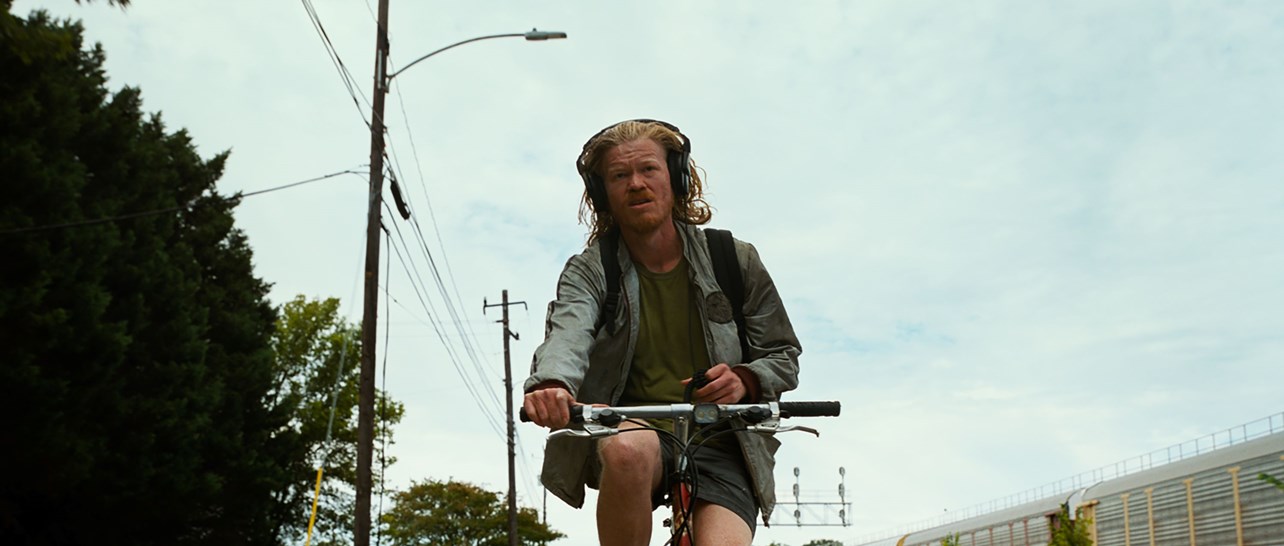
Teddy (Jesse Plemons), a hardcore conspiracy obsessive, lives with his cousin Don (Aidan Delbis). Their days are spent choreographing an abduction: the target is Michelle Fuller (Emma Stone), the steel-nerved CEO of a major pharma company. Teddy’s mother (Alicia Silverstone) is in a coma after a clinical trial went sideways, and he’s convinced Fuller is a high-ranking Andromedan — an alien spearhead out to gut humanity. The “protocol” is ice-cold: head shaving, antihistamine cream, interrogation. Fuller’s boardroom rationality bounces off Teddy’s concrete narrative; he demands a confession and an introduction to the Andromedan brass to “negotiate” a planetary withdrawal — or else. This is where the film finds its tone: grotesque yet disturbingly familiar, corporate politeness slamming headfirst into the childish, unbending logic of fear and fury.

Paranoia as Performance: Plemons Unleashed, Stone on a Knife’s Edge
After the triptych of oddities in Kinds of Kindness, Plemons finally sheds the tightly mannered reserve Lanthimos often asks of his actors. Teddy is terrifying because the oozing certainty in his voice masks raw panic and stunted rage — a mix familiar to anyone who’s watched online undertows drag drifting men into the deep. Tracy — writing through the Covid lockdowns — nails how extremism seeped into the language of neighbors, friends, and relatives. The gap between punchline and nightmare is hair-thin: a goofy line of questioning calcifies into torture, and chemical self-mutilation starts to feel like “the logical next step.” The meat of the movie is the duel between Terry (Teddy) and Michelle: a CEO’s consultant-polished baritone and conference-room calm shatter against a zealotry that knows no escape hatch. The pressure cooker — Plemons and Stone framed in a stripped-down visual grammar — squeezes even the comedy into a painful grimace.
Faithful to the Original, Wired for Now — Why the Same Story Lands Harder Today
Emma Stone’s work is tuned with watchmaker precision: even viewers who can recite Save the Green Planet!’s third-act reveal may wonder if Lanthimos and Tracy will steer into the same skid. Bugonia’s strength is precisely its proximity to the source, because two decades have honed the blade of the original’s concerns. The culture has shifted; the big headaches — corporate abuse, climate crisis, grotesque wealth gaps — remain universal. Under the magnifying glass of conspiracy-fever logic, they look meaner still. The overheated, anxiety-ridden mural that emerges belongs among the defining films of the decade — sharing shelf space with Ari Aster’s simmering nightmares and Paul Thomas Anderson’s bare-knuckle societal rumbles. The old chestnut says tragedy plus time equals comedy; Bugonia twists that into a sick mirror: if we were foolish and shortsighted 23 years ago, the same story now feels twitchier, darker, more desperate.
Relevance at Full Tilt — And the Gnawing Sense We Won’t Turn the Wheel
Bugonia practically glows with timeliness. In the post-2020 landscape, anti-corporate vigilantism minted folk heroes and summoned cheering armies in the comments. Lanthimos doesn’t pump the fist; he doubts our capacity to outgrow our traps. The message: there’s still time — and every signal suggests we’ll waste it anyway. The film hits hard because it teeters on the borderland between absurdism and realism, and it never breaks its own perspective. The images are purposefully sterile, the sound design quietly strangling — and when a joke lands, it only sharpens the bitterness that follows.
-Gergely Herpai “BadSector”-
Direction: 76
Cast: 82
Story: 74
Visuals/Music/Sound: 82
Atmosphere: 72
GOOD
Summary:
Bugonia
Direction - 7.6
Actors - 8.2
Story - 7.4
Visuals/action/music/audio - 8.2
Ambience - 7.2
7.7
GOOD
Bugonia stays true to the spirit of Save the Green Planet! while training a surgeon’s focus on the paranoia and existential dread of the 2020s. The Plemons–Stone face-off walks the knife-edge between comedy and horror, smashing corporate doublespeak into the iron logic of conspiracy fever. Lanthimos, in cleaner form but with undiminished cruelty, spells it out: we could still change course — but nothing indicates we will.














Leave a Reply