
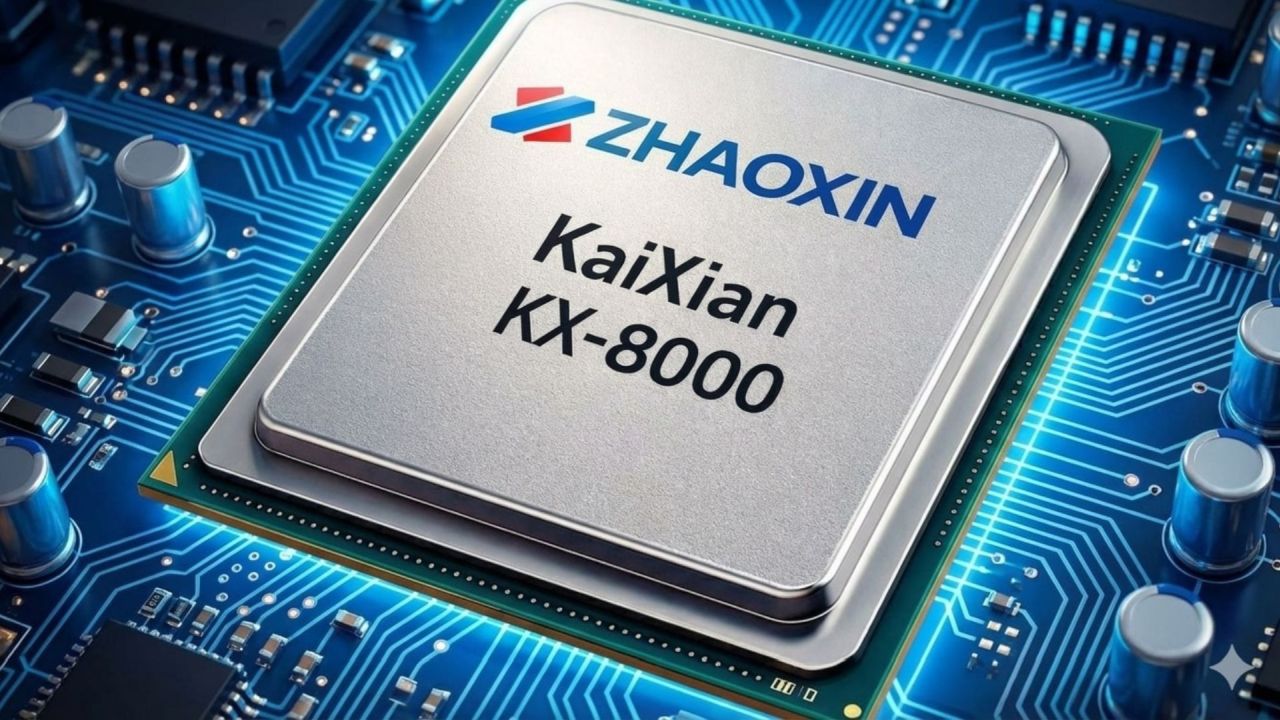
TECH NEWS – Zhaoxin announced its next-generation KX-8000 processors, which aim to compete with AMD Zen 4 in several areas.
In 2023, Chinese chipmaker Zhaoxin launched its KX-7000 CPUs, featuring the x86 Century Avenue architecture built on a 7 nm manufacturing process. These chips came with eight cores, clock speeds of up to 3.7 GHz, and 32 MB of integrated cache. The processors supported both DDR5 and DDR4 memory, along with up to 24 PCIe Gen4 lanes. Although the chips debuted in 2023, benchmarks only appeared in 2024, showing a doubling of performance over the previous generation. Even so, AMD Zen 3 and Intel’s 10th-generation products ultimately came out on top. More recently, these CPUs have started appearing in pre-built PCs designed for the Chinese domestic market.
Zhaoxin is now preparing its next-generation, high-performance consumer CPUs, the KX-8000 series. According to a press release, the company expects to achieve another major milestone in independent CPU product innovation with the upcoming debut of the new KaiXian KX-8000 processor. The KaiXian KX-8000 is a high-performance PC and embedded processor with significantly improved capabilities. Its base frequency reaches 4 GHz, and it supports high-performance integrated graphics as well as mainstream international I/O standards such as PCIe 5.0 and DDR5. The company says this will deliver a completely refreshed product experience while accelerating innovation and digitalization across industrial applications.
While the official press release does not disclose core counts or specific performance figures, Zhaoxin officials have stated that the next-generation KX-8000 CPU lineup is targeting AMD Zen 4-level performance while offering leading efficiency. This would represent a major leap compared to the KX-7000 series, which fell behind Zen 3.
The company has yet to announce an official release date, but if a 2026 launch is planned, retail products could become available next year. The lingering question, however, is how extensive support will be for widely used software, games, and operating systems.











Leave a Reply