
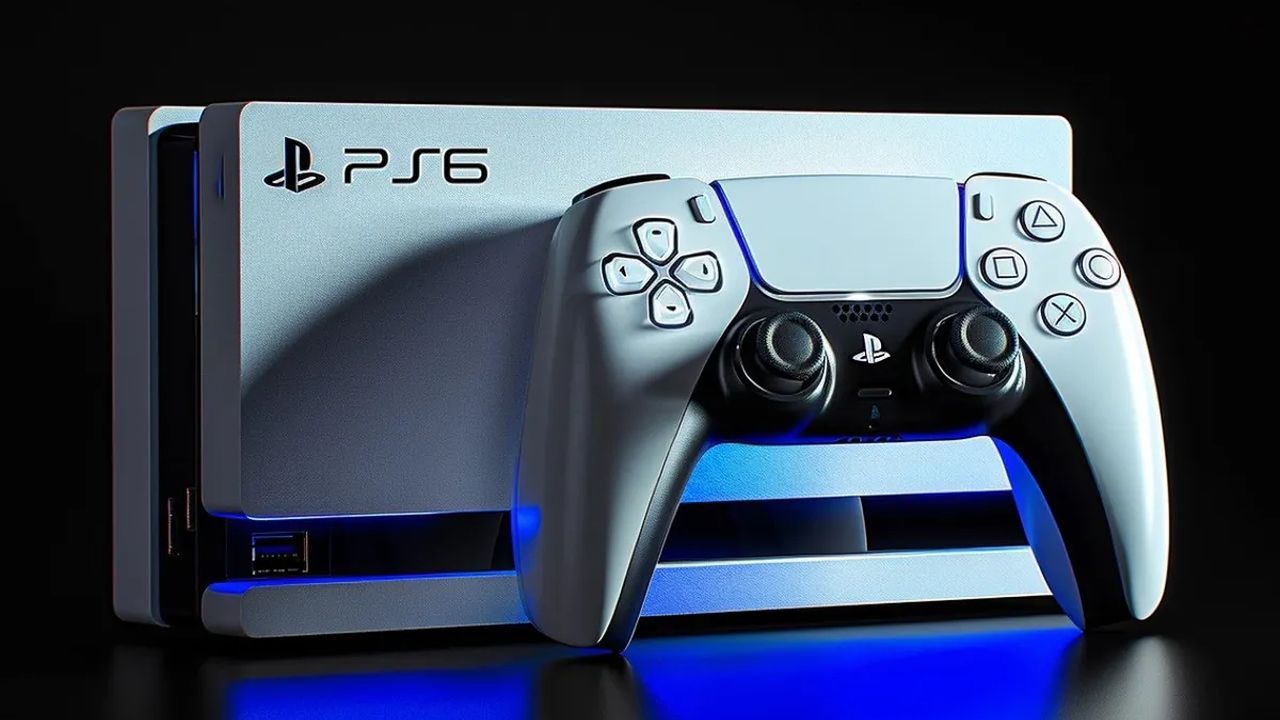
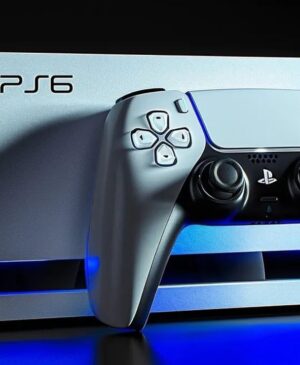
OPINION – The memory price crisis triggered by the rapid expansion of AI makes a 2027 launch of a new console generation unfeasible. Cost structures and supply conditions across the hardware market have fundamentally changed. The state of the current generation alone already shows that the timing of a transition would be a mistake.
We live in a world shaken by forces beyond our control, where even the illusion of predictability has vanished. The parameters that once allowed long-term planning and rational strategies to be built no longer exist. Events unfold too quickly. Disruption is constant, not only in technological terms, but also financially, socially, and above all geopolitically. In a world undergoing continuous, chaotic, and often violent transformation, the risks are simply too high to accept them without serious consideration. One only needs to look at the circumstances surrounding the current generation, which has already entered its sixth year.

An Anomalous Generation
The beginning could hardly have been worse: a global pandemic shattered supply chains and caused years-long shortages, stretching the generational transition to an unprecedented degree. Credit expansion during lockdowns was followed by sudden capital withdrawal as consumption declined, and the realization that production processes had been massively oversized triggered a wave of layoffs, corporate shutdowns, and project cancellations. Delays became the norm, and although lower-budget and mid-tier releases filled the gap left by missing first-party blockbusters, even in its sixth year the prevailing feeling is that this generation has yet to fully unleash its potential. That the best is still ahead.
The first three PlayStation consoles followed one another in consistent six-year cycles, the fourth extended this to seven years, and the fifth repeated it. Plans laid down years ago for the PlayStation 6 pointed to a late-2027 release, meaning, on paper, as early as next year. Public statements from lead architect Mark Cerny appear to support this timeline. The PlayStation 5 Pro, as a mid-generation refresh, has also revealed a great deal about the future direction of PlayStation. The introduction of PSSR was not without issues, but AMD’s console-optimized FSR solution is expected to arrive within months, potentially providing a significant boost to upscaling efforts.
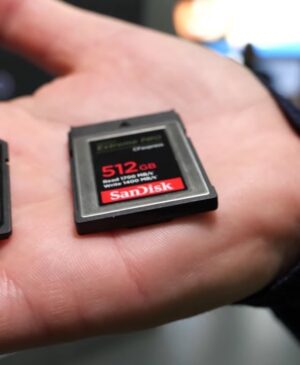
After such a stuttering start, the autumn 2027 window should have been abandoned long ago, but the AI-driven explosion in memory prices, affecting virtually every major component, makes rewriting those plans unavoidable. The obsessive pursuit of the Holy Grail of artificial general intelligence has diverted enormous resources to initiatives that now control roughly 40 percent of global RAM production. This sudden surge in demand, combined with a complete refusal to offer discounts, has pushed several manufacturers to prioritize enterprise customers over the consumer market. Some players, such as Micron, have already announced their exit from this segment, deeming large-scale corporate orders more profitable.
It is unclear how long this new gold rush will last, and it is not the first time the market has been distorted in this way. Five years ago, cryptocurrency mining caused similar upheaval. Eventually, conditions normalize, but it is highly questionable whether this will happen by the time Sony would be forced to begin manufacturing and assembling a new console if it wants to stick to its targets. What price point would the PlayStation 6 carry? The console business model relies on subsidizing hardware upfront, then recouping costs through software royalties and online services. The high launch price of the PlayStation 5 in 2024 already signaled that significant price increases were planned for the next generation. Back then, inflation and tariff threats were the main drivers, which materialized with Donald Trump’s victory. Now, another surge in memory prices is added to the equation.
Impossible Decisions
It is a reasonable assumption that Sony had been targeting a 799-euro price point for the PlayStation 6. Under current component costs, however, maintaining similar profit margins would logically require passing costs on to consumers, resulting in a 999-euro retail price, with the optical drive sold separately. Is there a market for a PlayStation 6 at that price? Of course, there is a wealthy enthusiast segment that would line up immediately. The real question is whether there are fifty million such buyers within the first two years, the period during which conditions would likely stabilize. My answer is no. Absolutely not. It took enormous effort to move the masses away from the PlayStation 4 and onto its successor. At these prices, the next transition looks practically unworkable.
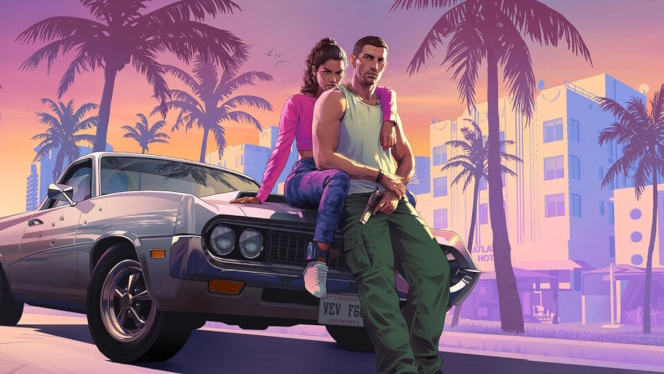
This situation is further compounded by the upcoming game lineup. Grand Theft Auto VI is still ten months away, and under current circumstances, another delay cannot be ruled out. Major studios such as Santa Monica, Naughty Dog, or CD Projekt RED have yet to deliver a title that truly defines this generation. From Software continues to cling to outdated engines and shows little interest in updating its toolset. The prolonged generational transition, the infrequent arrival of major exclusives, and the muted visual leap have cemented the perception that this cycle has not truly begun, and in the eyes of many, it is the most disappointing generation of all time. Whether this is supported by data is irrelevant. When we ask people for serious money again, almost everything comes down to emotion.
Meanwhile, PlayStation is also struggling on its home turf. The Japanese market is visibly fatigued. Cutting the price to 55,000 yen, roughly 300 euros, provided only a temporary boost before sales fell again, indicating that the problem goes beyond pricing. Japan was PlayStation’s core market for decades, but today it feels more like a relic of the past. Most Japanese studios now primarily develop for overseas audiences, as domestic demand alone is insufficient. The majority of releases are still being made for the PlayStation 4, despite the console being in its thirteenth year. This is speculation, but if Sony were to launch the PlayStation 6 there next year at market prices, the failure would be historic.
If It Were Up to Me, There Would Be No PlayStation 6 Before 2030
Of course, I am aware that other factors are also at play. PlayStation is under pressure to sustain console sales, and it is not my intention to contradict their financial analysts. Every console life cycle follows a similar pattern: growth in the first three years, a peak in the fourth, followed by gradual decline. Based on sales charts, this downturn has already begun after a peak of 20.9 million units in the 2023 fiscal year. We still have to wait for the aggregated figures for the 2025 fiscal year, but it is highly likely that the PlayStation 5’s maximum market potential is around 120 million units, and even without a successor, it would not exceed that. Sony cannot afford to leave a slow-selling device on store shelves for years.
If it were up to me, there would be no PlayStation 6 before 2030. I believe this is the only way extended development cycles and the generation’s faltering start could eventually become profitable, while also allowing time to weather the current memory price crisis. With Xbox’s weakening hardware position, there is no external pressure forcing an immediate launch. Internal pressure does exist, however. Extending the PlayStation 5’s life cycle would be unlikely to deliver spectacular sales growth. Sony still needs to sell consoles and maintain generational rhythm to preserve momentum. Realistically, the best one can hope for is a delay to 2028, which in itself would not prevent aggressive pricing. I do not envy those who will have to make this decision.
-Gergely Herpai “BadSactor”-












Leave a Reply