
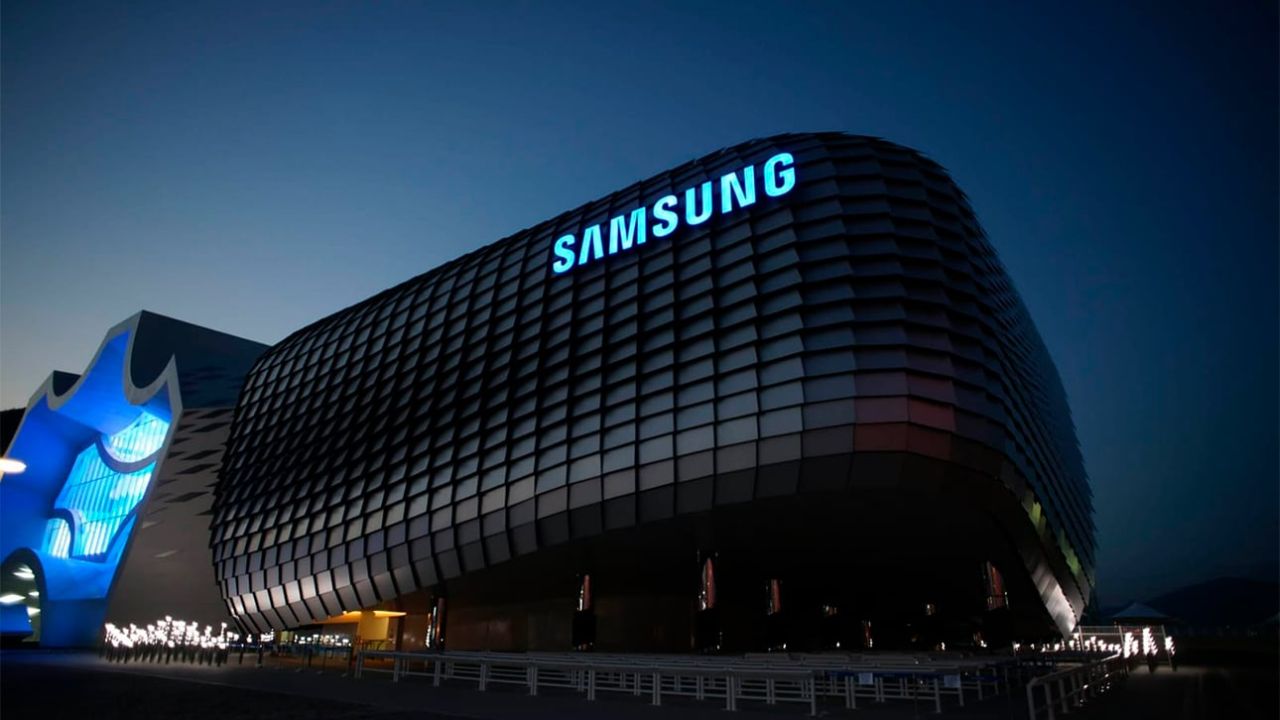
TECH NEWS – Samsung became the largest manufacturer in terms of cash flow in the last quarter, but more was going on around the South Korean company than that.
Samsung published its fourth-quarter 2025 results, which were exceptionally good due to the continued boom in memory chips. Its quarterly sales revenue was 93.8 trillion won ($65.45 billion), which is a 24% increase from the previous year. Total annual sales revenue was 333.6 trillion won (approximately $232.87 billion), an 11% increase from the previous year. Operating profit for the quarter was 20.1 trillion won ($14.05 billion), a threefold increase from the previous year. Semiconductor sales in the fourth quarter of 2025 were 44 trillion won (approximately $30.74 billion), a 46% increase from the previous year. Semiconductor business revenue for the quarter was 16.4 trillion won ($11.46 billion), a 5.6-fold increase from the previous year. Quarterly memory business revenue was 37.1 trillion won (USD 25.93 billion), a 62% increase from the previous year. Mobile sales were 28.3 trillion won ($19.78 billion) in the quarter, a 13% increase from the previous year. The mobile business’s quarterly operating profit was 1.9 trillion won (approximately $1.33 billion), which is a 9.5% decrease compared to the same period last year.
Samsung plans to begin shipping HBM4 mass products, including the industry-leading 11.7 Gbps SKU, in the first quarter of 2026. The company is focusing on increasing sales of high-performance TLC SSDs to meet the growing demand for MI KV (key-value) SSDs. Samsung will expand its lineup of 200 MP sensors. It will also focus on ramping up its second-generation 2-nm manufacturing process. However, Samsung expects weak smartphone demand in the first quarter of 2026 due to seasonality and the impact of memory supply and prices.
As the industry transitions from HBM3E to HBM4, Samsung is poised to gain additional market share. The company is already achieving higher transfer speeds with its unique HBM4 solutions, which use the 1Cnm (compute-near-memory) process and leverage advanced manufacturing technologies. This puts Samsung in an excellent position to capture an increasing share of Nvidia’s HBM4 orders. Samsung is set to begin shipping HBM4 to Nvidia in February after successfully completing qualification tests. Notably, Samsung’s HBM4 is reportedly capable of reaching transfer speeds of 11.7 Gbps, surpassing the operating speed requirements of Nvidia and AMD (10 Gbps).
While the industry dynamics favor Samsung’s memory manufacturing business, its smartphone-focused MX division struggles with rising cost pressures. Therefore, it is not surprising that the MX division is considering price increases of between 44,000 and 88,000 won ($30–$60) for the upcoming Galaxy S26 series in certain markets, including South Korea.
This move clearly signals Samsung’s abandonment of its long-standing anti-price-increase policy, which resulted in no price increases for S series flagships over the past three years, except for the Galaxy S24 Ultra. This strategy enabled the Galaxy S25 series to reach total sales of 3 million units approximately two months faster than its predecessor.
Source: WCCFTech

















Leave a Reply