
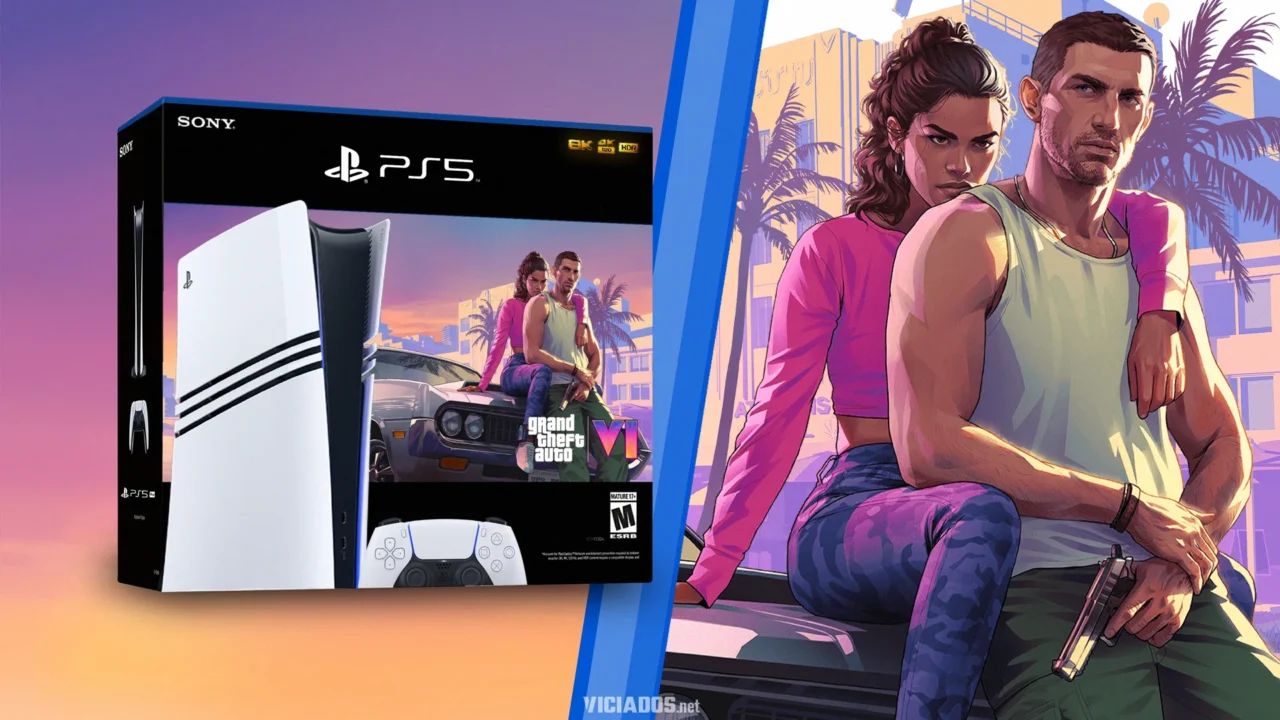
PlayStation isn’t taking chances in the year GTA 6 arrives, and it’s trying to shield the PS5 from the impact of the 2026 global technology crunch. Lin Tao, Sony’s chief financial officer, is negotiating to secure PS5 memory production throughout the year.
We’re living through a complicated moment inside an already messy console generation. What started in 2020 with staggered console launches driven by the semiconductor crisis has produced a generation that has struggled to truly hit its stride. But now, halfway through, PlayStation, Xbox, Nintendo, and Valve have run into a fresh problem: a memory shortage fueled by the rise of generative AI. Even so, Sony has stepped out to say it’s working to make sure nobody is left without a PS5 in a year when GTA 6 is expected to be a major pillar of PlayStation sales.
Sony is already negotiating to keep PS5 production running
Lin Tao, Sony’s CFO, said during the company’s latest financial results presentation that the firm is taking precautions and has already started talks with suppliers to guarantee the minimum memory needed to sustain PlayStation 5 production and sales through the end of the year’s holiday season. The Japanese company also explained that it plans to soften the blow of rising memory prices by prioritizing monetization of its existing console inventory while expanding revenue from software and online services.
As we noted before, GTA 6 is shaping up to be a strategic anchor for PlayStation during the 2026 holiday period. While Rockstar’s open world will launch on Xbox Series X|S without a hitch, the history between the companies shows that Grand Theft Auto has traditionally leaned toward the Japanese firm on the marketing side. As a result, the game should reinforce the PlayStation ecosystem for the holidays, and Sony doesn’t want to gamble away a massive sales window.
The memory shortage is expected to become more visible from 2026 onward
The broader situation has only just begun to affect the industry, but its footprint is expected to widen across 2026 and hit multiple hardware makers. In fact, the first company to feel it has been Valve with its Steam Machine. Although the North American firm has reiterated its plan to ship this “miniature PC” in the first half of 2026, shortages and higher component prices have forced it to rethink both the delivery timetable and the price, pushing firm date confirmations back until conditions stabilize.
For Sony, handling higher memory costs with a more conservative stance is meant to preserve the stability of its digital ecosystem. According to the financial report, the PlayStation 5 has now surpassed 92 million units sold worldwide since launching in November 2020. Over that span, Sony said it sold 8 million consoles in that quarter, bringing the running total to roughly 92.2 million PS5 units distributed globally.
Source: 3djuegos





Leave a Reply