
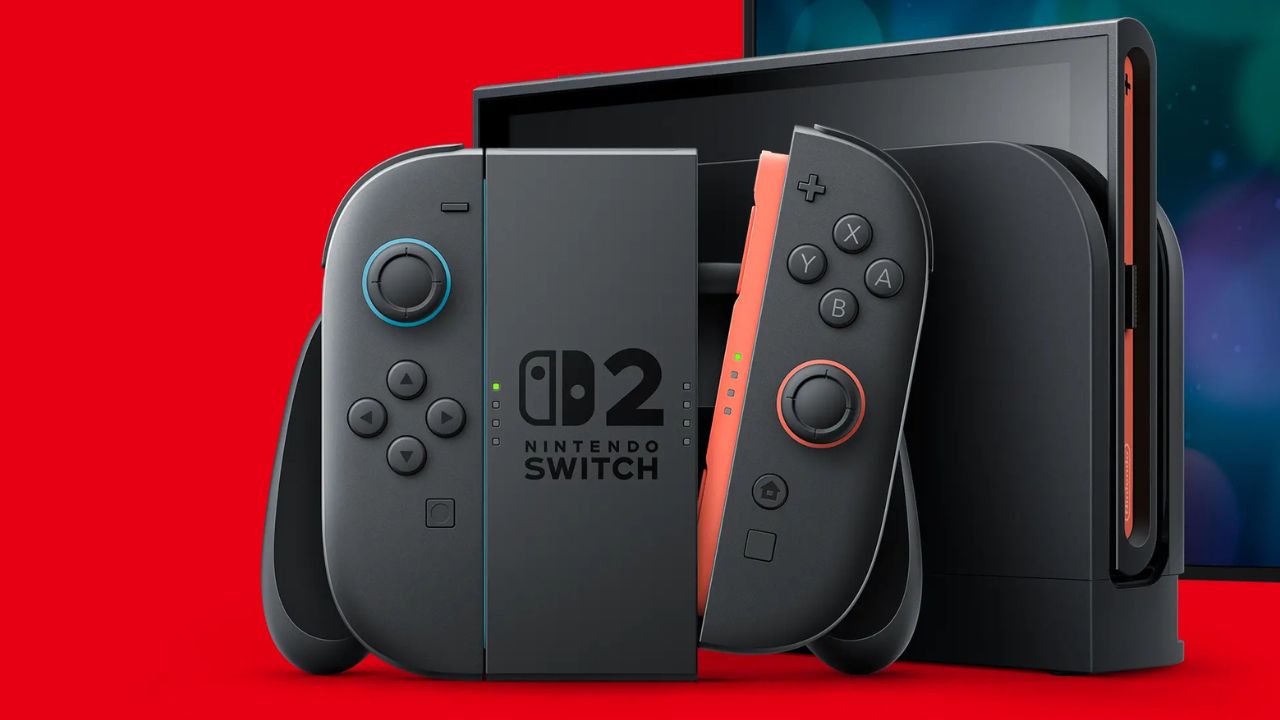
An unusual situation has arisen: due to strong domestic sales, Nintendo is posting more and more losses – but how did this happen?
It is difficult to imagine that rising sales of Nintendo’s latest hybrid console, the Switch 2, in any region, let alone in Japan, would reduce the console’s profitability. Yet according to Nintendo president Shuntaro Furukawa, this is exactly what is happening. During the company’s third-quarter financial briefing, Furukawa confirmed that better-than-expected Switch 2 sales in Japan would negatively affect the console’s operating and gross profit.
The components used to manufacture the Switch 2 are purchased in U.S. dollars. Therefore, when Japanese consumers buy a Switch 2 using yen, which is currently depreciating, Nintendo ultimately records a loss. During the Q&A session, an investor asked Furukawa whether it was correct that profitability is declining due to the continued weakening of the yen, given that most procurement costs are dollar-denominated. The investor also asked why Switch 2 sales are performing so well in Japan, and Furukawa said the explanation lies in Pokémon Legends Z-A and Kirby Air Riders.
“Hardware-related procurement purchases are primarily made in U.S. dollars, so under the current exchange rate environment, better-than-projected hardware sales in Japan will have a negative impact on gross profit and operating profit. The backdrop to the stronger-than-expected hardware sales in Japan was the holiday season launch of Pokémon Legends Z-A – Nintendo Switch 2 Edition and Kirby Air Riders, which further strengthened the initial momentum of the Nintendo Switch 2 hardware. We believe that users in Japan viewed these titles as an opportunity to transition to the Nintendo Switch 2 at a relatively higher rate compared to Nintendo Switch owners outside Japan,” Furukawa said.
This information surfaced as Furukawa was also fielding questions about the ongoing memory shortage affecting the tech industry and how Nintendo plans to handle it. Investors were particularly focused on this issue, especially after Nintendo lost $14 billion in market value at the end of last year amid fears related to memory supply. Furukawa currently does not want to overreact to what could be a short-term trend, although recent reports suggest memory manufacturers are not willing to risk supplying less memory, meaning Nintendo may ultimately be forced to raise the price of the Switch 2.
For now, this remains only a possible outcome, not a confirmed decision. Meanwhile, the Switch 2 continues to sell extremely well outside Japan as well, with 17.37 million units sold in 2025.













Leave a Reply