
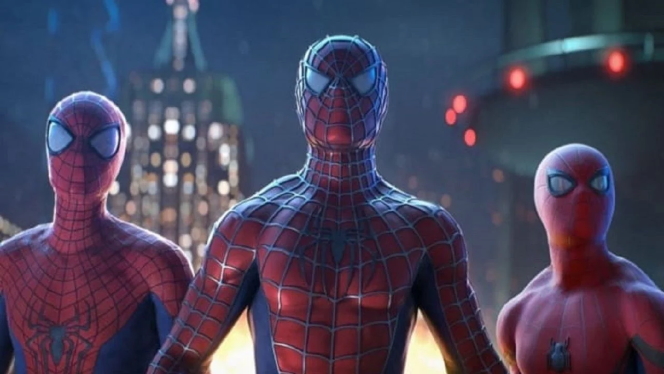
MOVIE NEWS – Freedom came at a serious cost for Marvel and Sony in Spider-Man: No Way Home: they lost $100 million in revenue. Spider-Man: No Way Home missed out on hundreds of millions by not releasing in China – and the reason was as bizarre as it was monumental.
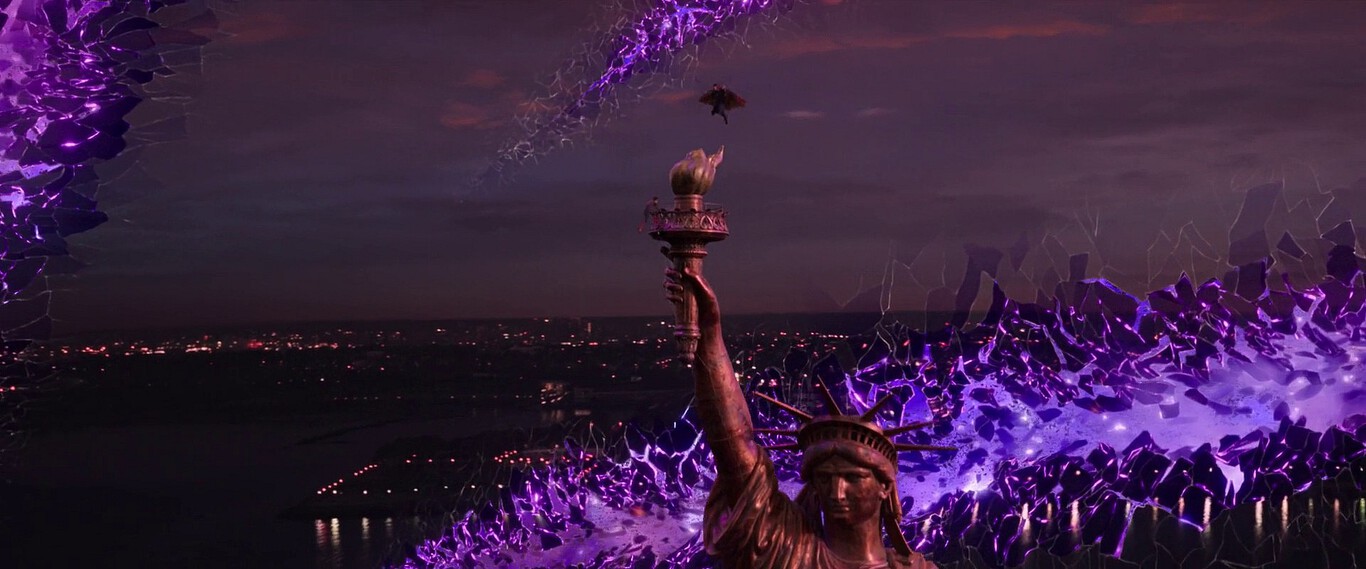
It is almost impossible to love Hollywood cinema without eventually running into a memorable sequence set at the Statue of Liberty. My favorite is still one from Ghostbusters II. Right after that, though, comes the climactic battle in Spider-Man: No Way Home. It was an undeniably spectacular place to end the movie – but it also cost Marvel Studios and Sony Pictures millions in box office revenue.
The Dilemma of Chinese Censorship
According to Sony Pictures CEO Tom Rothman – as reported by ComicBookMovie – the Chinese ban cost the film at least $100 million worldwide. Rothman said he believes No Way Home would have crossed the $2 billion mark if it had been released in China: “It bothers me that it only reached $1.921 billion. In China, they simply asked us to ‘remove the Statue of Liberty.’ That was the demand.”
That request was impossible to fulfill: the entire final action sequence takes place on, around, and above the Statue of Liberty, so removing it would have mangled the film. After Sony refused, Chinese authorities reportedly suggested reducing the monument’s presence by cutting the “patriotic” shots of Tom Holland on the crown or dimming the lighting on the statue. Sony rejected both options, choosing the film’s integrity over a potential box office boost. It is also worth remembering – as Marcos Yasif noted – that in this movie the statue is also carrying Captain America’s shield.
A Calculated Risk for the Industry
Sony’s decision fits into a broader Hollywood trend: some studios are increasingly resisting self-censorship aimed at pleasing the Chinese market. In the past, studios often altered films to pass censorship and secure access to what was long considered the world’s largest theatrical market. That included changing endings in major films or removing politically sensitive references. Spider-Man: No Way Home, however, broke with that pattern and showed that preserving the creative vision can sometimes matter more than immediate revenue – even in Hollywood.
Despite skipping China, Rothman described the partnership with Marvel Studios as a “win-win deal,” highlighting how much the film benefited from Robert Downey Jr.’s presence as Iron Man and Kevin Feige’s creative leadership, while cementing Tom Holland as the defining face of Spider-Man in the MCU. Spider-Man: No Way Home was not memorable only because of its New York finale. The film also worked as a crossover between the earlier sagas by Sam Raimi and Marc Webb, bringing Tobey Maguire and Andrew Garfield together with Holland in a multiverse adventure that thrilled fans across generations.
Directed by Jon Watts and written by Chris McKenna and Erik Sommers, the movie became the highest-grossing film of 2021. Critical reception was also strong: Rotten Tomatoes listed a 93% approval score, while Metacritic recorded 71/100. Audiences around the world responded enthusiastically to Marvel’s multiverse Spider-Man event, setting a very high bar for the sequel. With Spider-Man: Brand New Day expected in July 2026, the next big question is whether Peter Parker’s new adventure can outperform its predecessor at the box office – without running into another unexpected geopolitical obstacle.
Source: 3djuegos












Leave a Reply