
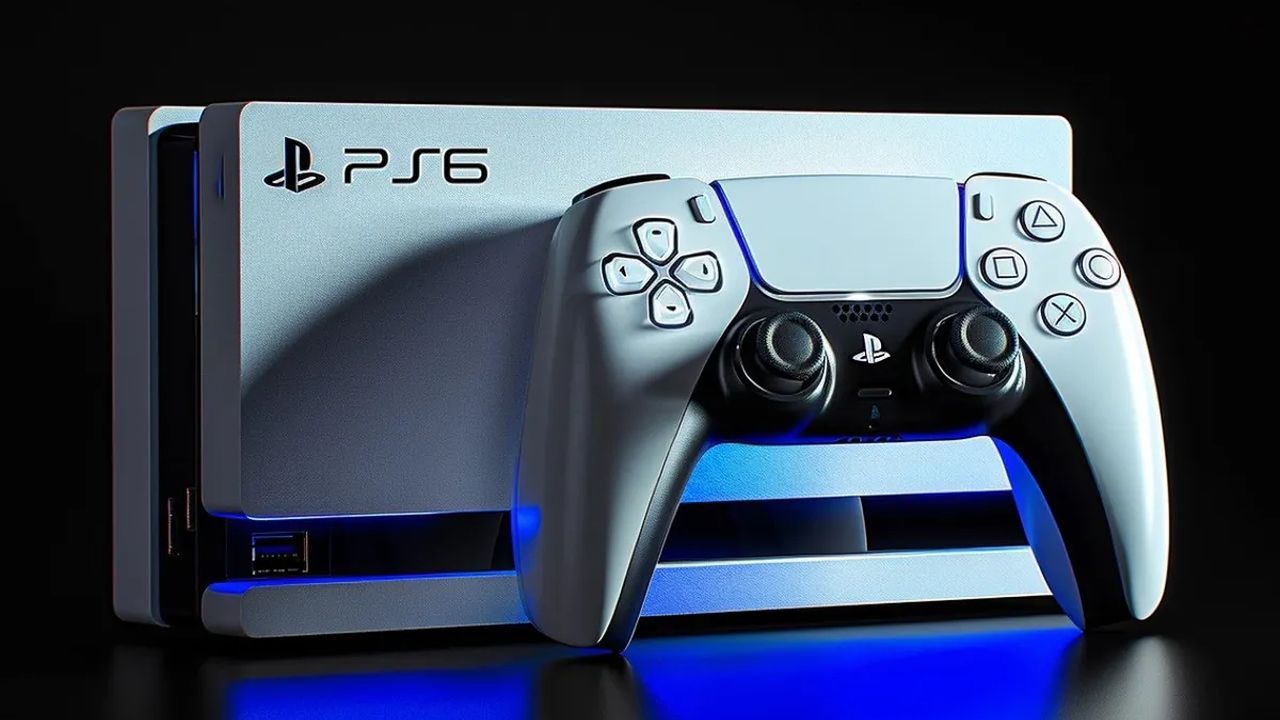
The PlayStation 6 is increasingly looking like it could lean heavily into ML-based frame generation – and that is not exactly the kind of next-gen promise that makes everyone instantly comfortable.
There is still no full reveal for Sony’s next console, but Mark Cerny has now dropped the kind of comment that immediately gets people reading between the lines. In an interview with Digital Foundry, the PlayStation lead architect said that an equivalent frame generation library should appear at some point on PlayStation platforms. That does not amount to a formal unveiling, but it is enough to make the broader direction of Sony’s next hardware feel a lot less vague.
Tech4Gamers reads that comment as a likely sign of where the PlayStation 6 is heading, especially since Cerny also said the enhanced PSSR is built on the same technological foundation as FSR Redstone, while frame generation itself was described as part of Project Amethyst, the wider collaboration between Sony and AMD. In other words, Sony does not appear to be casually experimenting here. It looks more like the company is laying technical groundwork for the next generation well before it is ready to show the machine itself.
More Frames Sounds Great Until People Start Talking About the Trade-Offs
That also explains why the topic is already divisive. Frame generation tends to look attractive on paper because it promises smoother motion and bigger performance numbers, but the backlash around the technology has been growing for a reason. Critics argue that AI-generated frames can increase input lag, hurt motion clarity, and create an image that feels less naturally responsive even when the frame counter looks healthier. So while it works brilliantly as a bullet point on a spec sheet, it can also become the kind of feature players immediately start arguing about once they actually feel it in motion.
According to the same report, this technology is also unlikely to arrive for the PlayStation 5 Pro in the near term, since Cerny indicated there would be no new releases on that front this year. That has only strengthened the impression that Sony is really talking past the current generation and toward what comes next. If so, frame generation may end up being one of the defining pillars of the PS6, not a late bonus feature bolted onto existing hardware.
If that turns out to be the case, then the PlayStation 6 may try to sell its leap forward not just through brute-force hardware gains, but through a much deeper reliance on AI-assisted rendering. That could either give Sony a major visual edge or open the door to a whole new fight over whether next-gen progress still means raw performance, or just smarter ways of faking it. Nothing has been fully revealed yet, but the direction already looks clear enough to start a serious debate.
Source: Tech4Gamers












Leave a Reply