
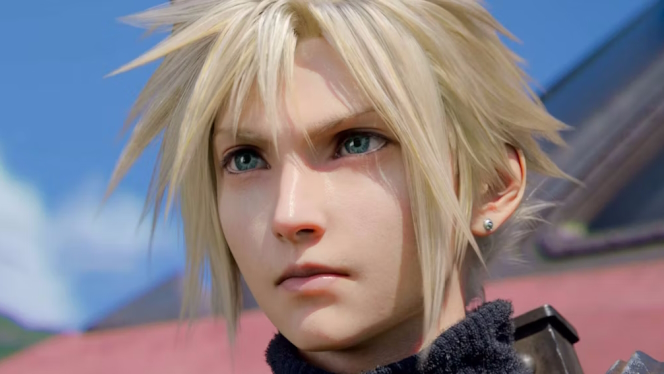
According to one of Square Enix‘s most important creatives, Final Fantasy is no longer connecting with younger players the way it once did – and that does not necessarily mean the games themselves have become worse.
Final Fantasy remains one of the most important franchises in the video game industry, but even the biggest names can struggle to attract new audiences over time. It is very different being a young fan in 1997, when Final Fantasy VII launched, than it is in 2026, when the Final Fantasy VII Remake trilogy is nearing its conclusion. Times have changed, and so has the way players form attachments to iconic IPs like this one.
That is what Naoki Yoshida reflected on as well. The Final Fantasy XIV director, and one of the most influential figures at Square Enix, acknowledged in a recent video that younger players are not connecting with Final Fantasy in the same way older generations once did. In his view, however, the main reason is not that the franchise has lost relevance. Rather, many younger players simply have not had the chance to grow up alongside the series the way previous generations did.
Yoshida explained this by comparing the past with the present. In the 1990s, mainline entries arrived much more frequently. Final Fantasy VII released in 1997, while Final Fantasy VIII followed already in 1999. Today, by contrast, the development of a new AAA Final Fantasy takes at least four years, which makes it much harder for new players to develop a strong bond with the franchise.
“The gaps between new titles have become longer, so some players have not really had the chance to connect with the series the way older fans did,” Yoshida said. He also added that for generations who grew up more accustomed to action-based combat systems, recent entries – such as Final Fantasy Tactics Remaster – may feel less aligned with what they are used to.
Yoshida raised the issue in a video about Dissidia Duellum Final Fantasy, a new mobile entry in the Dissidia subseries built around 3v3 combat. The apparent idea is to give longtime fans, as well as people who simply like the characters, another way into Final Fantasy – especially younger audiences.
At the heart of the issue is not that Final Fantasy has stopped mattering. It is that the traditional model of massive JRPGs released many years apart no longer guarantees the same sense of closeness between the franchise and its audience. Gaming habits change faster than ever, and Square Enix is facing a very difficult challenge. One possible answer would be to release smaller-scale Final Fantasy projects more often, lean further into remakes and remasters, or expand more aggressively into other formats such as series and films.
Source: 3DJuegos












Leave a Reply