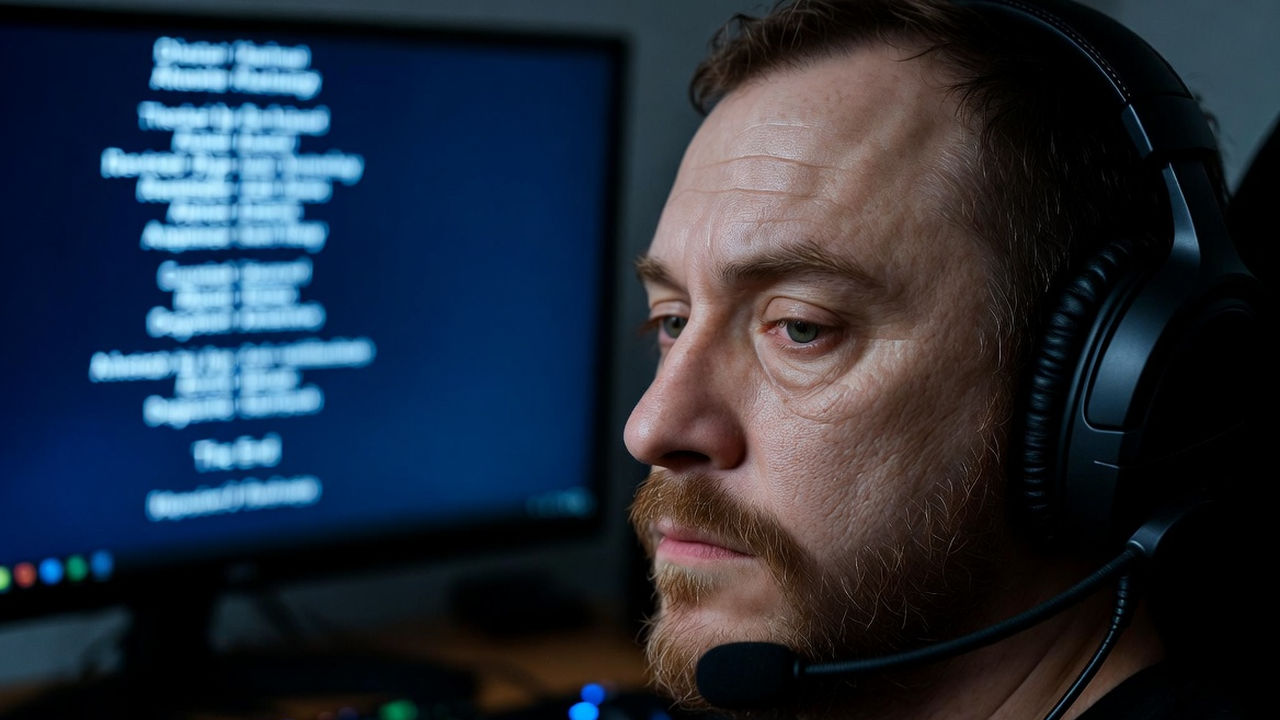
That hollow, slightly miserable feeling after finishing a game is not just internet melodrama. Researchers say “post-game depression” is a real, measurable phenomenon, and RPGs seem especially good at hitting players hard enough that returning to everyday life can feel oddly difficult for a while.
Most players have probably experienced it at least once. You finish a game that completely absorbed you, and instead of feeling satisfied, you are left with a strange emotional void. You know the feeling will pass, but there is still that nagging thought that nothing else is going to hit quite as hard for a while. Interest drops, motivation slips, and suddenly your backlog looks completely unappealing. Psychology actually has a name for this kind of reaction: depression – not in the sense of a severe clinical disorder, but as a milder, temporary, clearly noticeable emotional slump.
Researchers from SWPS University in Warsaw decided to look more closely at the phenomenon through two studies involving 373 players. Their goal was to determine whether what people often call “post-game depression” was just an exaggeration born on social media or something more concrete. According to their findings, the effect is very much real, and it tends to show up through four especially common symptoms: intrusive thoughts about the game’s story, a strong desire to replay it immediately, difficulty processing the ending, and an inability to enjoy other audiovisual entertainment the same way right after finishing it.
RPGs Seem to Hit Players the Hardest
The researchers stress that these symptoms should not be confused with major depressive disorder or persistent depression. The intensity is lower, and the episodes appear to be self-limiting. In other words, this is not being framed as a full-blown mental health disorder, but as a temporary emotional state triggered by a particularly powerful fictional experience. One of the most interesting conclusions from the study is that the strongest symptom was not the inability to enjoy other media, but the sheer persistence of thoughts about the game’s plot. Players simply keep mentally circling back to what they experienced.
Genre also seems to matter. According to the study, RPG players tend to experience post-game depression more intensely than others. The explanation is fairly obvious once you think about it: in role-playing games, players often shape the character’s development through their own decisions, build deeper bonds with companions, and spend far more time inhabiting a richly constructed world. The more involved someone becomes in that world, and the closer they feel to the character they are guiding, the harder it can be to snap back to ordinary reality once it all ends. A long, emotionally rich RPG can leave a mark in a way few other genres really can.
The study also suggests that certain personality traits can amplify the effect. People who are naturally more prone to intrusive thinking tend to ruminate more intensely after finishing a game, while players with a more pessimistic disposition seem to struggle more when it comes to accepting endings. So not everyone experiences the aftermath in the same way, but the underlying effect appears to be genuine. And honestly, that may say something positive about games as an art form: if they are capable of producing emotions this strong, it is because they matter deeply to the people playing them.
Source: 3DJuegos