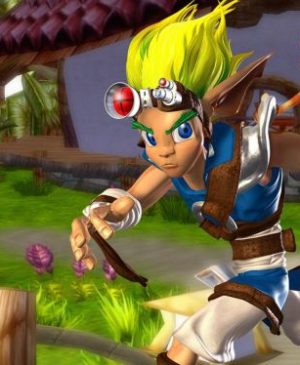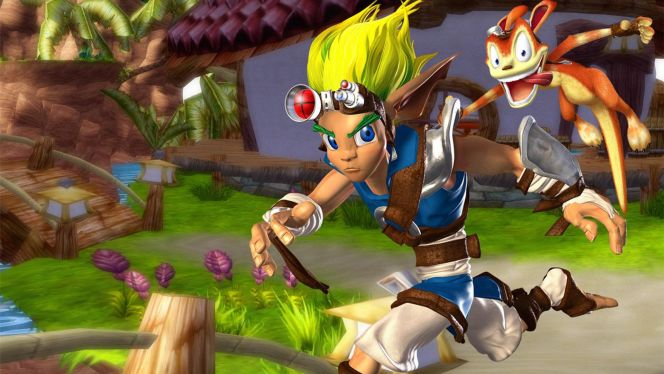
An interesting topic emerged over the weekend surrounding Jak & Daxter, but it is still unclear how much of it is actually true. A shared animation test quickly fueled speculation, yet based on what is currently known, there is no solid proof that an official remake was ever truly in the works.
The story began when animator Travis Howe posted an animation test on LinkedIn that, at first glance, looked like it could have been part of a presentation for a Jak & Daxter remake. That immediately led to the assumption that the concept either never made it to the finish line or was ultimately turned down by Sony. Howe did not provide much detail, but based on the timing, many assumed he chose to share the material only after the concept had been rejected.
However, a much more cautious interpretation quickly appeared on Reddit. The top-rated comment in the thread argued that this was not connected to Sony Interactive Entertainment, Naughty Dog, or any other Sony-affiliated studio at all, but was simply a fan concept. If that is accurate, then some parts of the press may have moved too quickly and treated the clip as evidence of a remake that either existed in planning or had a real chance of happening, when in reality there may have been nothing official behind it.
That would also fit Sony’s broader approach in recent years. The company has left a number of older IPs behind while focusing more heavily on blockbuster-scale productions. It also spent time pushing toward live-service titles, although most of those internally developed projects have so far failed to make the impact Sony hoped for. Helldivers II is the clear exception here, so it does not really belong in the same category. It would not be surprising at all if, after Concord, Marathon also ends badly, while Sony once again makes players pay for strategic failures through further console price increases.
And what exactly has Sony left behind over the years? Syphon Filter. Ape Escape. Killzone. Jak & Daxter. Resistance. Uncharted. Sly Cooper. And that list could easily keep going. Times change, development costs have exploded, and business priorities shift, but it is still hard not to feel that Sony is leaving a huge amount of valuable intellectual property sitting idle, enough to fill half a console generation’s release calendar.