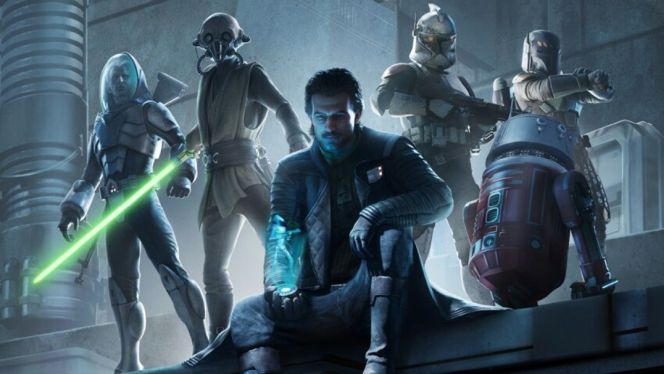
He praises the two companies for giving Bit Reactor, the game’s developer, the opportunity to create a tactical game.
Good art usually requires taking risks, yet the business world generally shies away from them. It’s unfortunate when someone tries to create a big-budget game targeting a relatively niche audience based on one of the most popular movie franchises, but that’s just how things go. But not for Bit Reactor, because that’s exactly what the studio is doing. In a recent interview with PC Gamer, Greg Foertsch, the studio’s founder, said he owes this opportunity to Lucasfilm and Respawn.
You might think that Zero Company being a Star Wars game would dispel skepticism about turn-based tactical games. However, familiar characters don’t always guarantee the success of a niche game, even if it’s excellent. Marvel’s Midnight Suns, an exceptional game on which Foertsch and several Bit Reactor members worked, was a commercial flop upon release despite its cast of comic book stars and glowing reviews. While it’s a risky venture, even with lightsabers, they certainly don’t hurt Zero Company’s chances. According to Foertsch, his team’s opportunity to work with such a prominent element of pop culture in a beloved genre is thanks to the Star Wars stewards’ increasingly rare boldness.
“Looking at what’s going on in the industry, it’s clear that it’s very derivative. Art has always been that way. Games are no different. But I think about the boldness with which both Respawn and Lucasfilm approached us. These two giants took a chance on us, showing the vision, courage, and conviction to risk it on a brand-new studio. They had faith in us to do something new and outside of their norms. For both companies, turn-based tactics aren’t something they’ve done before.
They could easily follow form and imitate what they’ve done before and what players expect. But here you’ve got these two companies that had the courage to try something different and give their audience something new. I think that’s worth mentioning. It’s just not common anymore. I can’t say enough about the support we’ve received from both companies,” said Foertsch.
It’s true that this isn’t an easy time to take risks. Games are just one player in an increasingly crowded attention economy. Of the 19,000 games released on Steam last year, nearly half received fewer than ten reviews.
Source: PCGamer