
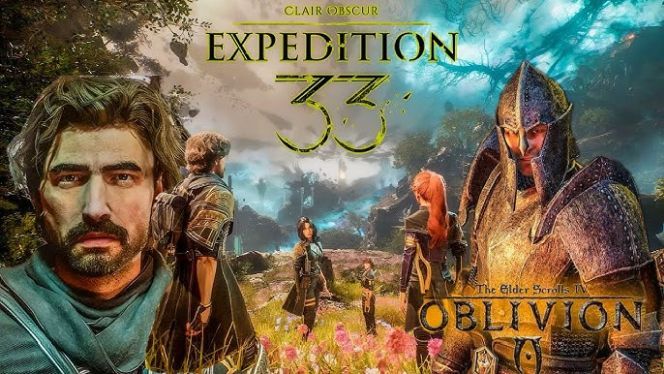
OPINION – Microsoft’s subscription service is experiencing a dramatic upswing, but it’s high time they paid attention to when and how their games are released. The case of Oblivion and Expedition 33 is a prime example of a misstep.
We’re approaching the eighth anniversary of Xbox Game Pass, arguably the best-known video game subscription service and home to one of the industry’s strongest libraries—regardless of the constant debates around it. What began as a cautious attempt to generate alternative revenue from legacy content has since become the backbone of Xbox’s entire business strategy, with every effort now focused on boosting subscriber numbers. This ambition led to an unprecedented studio acquisition spree, which first peaked with the purchase of ZeniMax Media—the parent company of Bethesda Game Studios. We know how that chapter ended. Empowered by its rapidly growing portfolio, Xbox leadership moved forward with acquiring Activision Blizzard—a move so massive that it ultimately forced an industry-first reversal: Microsoft started launching its games on the ecosystem of its fiercest rival.
Decision Paralysis
Microsoft rarely shares detailed console or subscription figures, but it’s safe to assume that Game Pass hasn’t turned out to be the breakthrough they were hoping for. Their ongoing pivot toward third-party publishing seems partly like an attempt to soften that blow. For years, critics claimed that while the service had a solid lineup, it lacked the blockbuster releases needed to maintain subscriber loyalty all year round. But now, at last, that concern seems to be fading into the past.
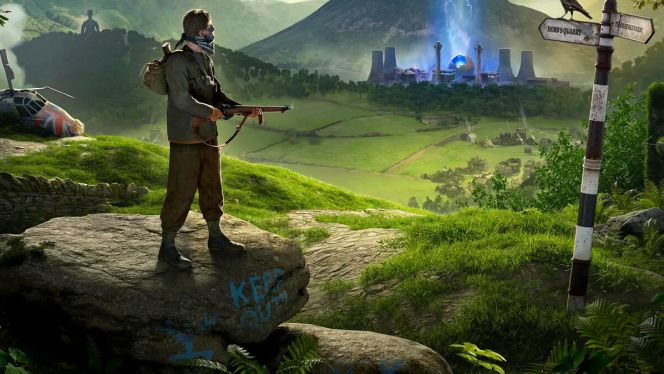
The future remains uncertain, but so far, 2025 has been a banner year for Game Pass. It’s been hit after hit, to the point where even the most committed players are struggling to keep up: Ninja Gaiden 2 Black, Avowed, Atomfall, South of Midnight, Blue Prince, Commandos Origins, Clair Obscur: Expedition 33, and the surprise drop of Oblivion Remastered. I’ve tried most of them, but even I haven’t had time to play them all. I may not be your average player, but that’s still not a great sign for anyone.
Is there a risk that Game Pass is suffocating its own audience? One well-known issue for streaming users is decision paralysis. On a Friday night, a subscriber logs in and is greeted by thousands of hours of content. What do they pick? They scroll, hoping something catches their eye—but if nothing truly stands out, they can’t commit. Maybe they start a movie, but after ten minutes, they’re bored and switch to a series—only to lose focus again. Their phone comes out, they start multitasking, glance at the number of seasons and episodes, and start regretting the decision. Back to the menu they go, scrolling aimlessly, wondering if it’s even worth paying for all this. Game Pass is drifting toward the same fate. The offering is becoming so massive that it’s getting harder and harder to choose, let alone commit to a single game—especially when it’s a 30-hour commitment instead of just two.
Curating the Game Pass library is an incredibly difficult task, and I genuinely respect the people behind it. These are professionals capable of identifying high-quality projects months or even years in advance, bringing in hidden gems like Blue Prince or Clair Obscur: Expedition 33. But it’s not just about quality—it’s about variety. Game Pass is a mass-market service, and it needs to offer something for everyone across all genres. There are countless factors to balance, and even with the best intentions, mistakes can slip through—especially when not every decision is in Xbox’s hands. Delays, marketing restrictions, timed exclusivity deals… anything can throw off the plan. But the strangest thing is when everything seems to be in place—and yet it still goes wrong.
When the Competition Comes from Your Own House
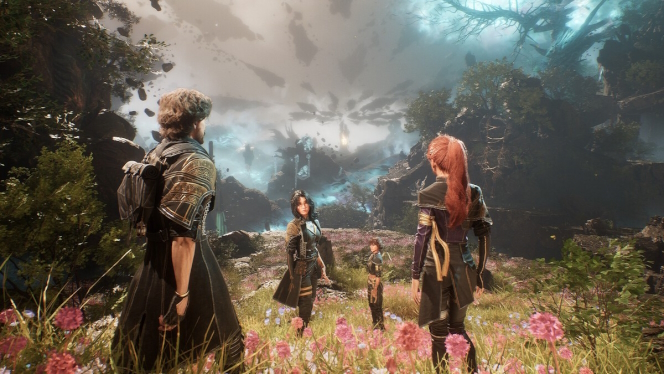
The release date for Clair Obscur: Expedition 33 had been known for months. And although Xbox wasn’t the publisher, it had signed a highly ambitious deal with Kepler Interactive. The game premiered during the 2024 Xbox Game Showcase, alongside several other initiatives meant to shine a spotlight on this promising title. Not just because it was the debut effort of a brand-new, unknown studio, but because it was a small team, a new IP, and a genre—turn-based RPG—that’s notoriously hard to sell these days.
At Xbox, they knew exactly what they had on their hands (even if Phil Spencer has said they’re “often surprised” when a release doesn’t go well—make no mistake, they always know): a game of extraordinary quality that sparked massive anticipation from day one, thanks to its bold approach and stunning audiovisual design. This was a title with genuine breakout potential, capable of launching its creators into the upper ranks of the global industry—something we’ve never seen before from such an unknown, first-time team (or at least, I can’t recall it).
So why sabotage all that with a surprise launch of Oblivion? Why pit a brilliant new RPG against the remaster of a 20-year-old classic? Sure, some players will play both and think it’s fine—they’re both on Game Pass, they’ll each get their time in the spotlight. But we can’t ignore how much this industry is driven by FOMO (fear of missing out). Games like Elden Ring or Baldur’s Gate 3 became cultural phenomena because they captured the zeitgeist—through social media buzz, Twitch streams, YouTube essays, musical tributes, awards, tournaments, and more. That kind of attention is much harder to command when the gaming audience is split down the middle.
The Textbook Case of Titanfall 2
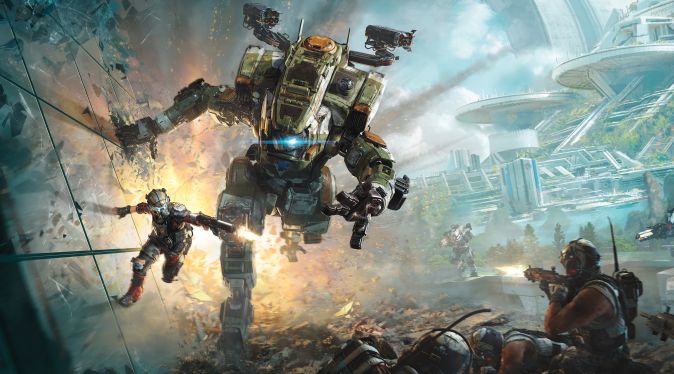
Titanfall 2—easily one of the best FPS games of the last decade—is the textbook example. Released at the worst possible moment, it ended up completely buried by the launches of Call of Duty and Battlefield, which came out just days before and after. What makes this even more baffling is that its publisher, Electronic Arts, owned one of those rival franchises and could have easily found a better release window for Respawn’s game. Is that what happened here? I doubt it.
Bethesda is indeed owned by Microsoft, but it still operates with considerable autonomy. It has its own sales, communications, and distribution channels. What’s more, the studio is still bitter about not being allowed to launch Starfield on PlayStation 5—a restriction Microsoft eventually didn’t impose on Activision titles. It’s entirely possible Bethesda didn’t care about the conflict with Sandfall, and no one at Xbox wanted to pull rank and interfere—especially not for a smaller-scale project (at least in terms of budget).
Steam’s concurrent player stats—while not the full picture—are encouraging. Oblivion Remastered is a hit, no question, but Clair Obscur: Expedition 33 hasn’t been wiped off the map. The ratio is about 1:3 in Oblivion’s favor, which is perfectly respectable. And on console—where this kind of JRPG tends to perform well—things may be even better. I’m confident Sandfall has nothing to fear. Still, it’s hard to ignore that the game might have done even better if it hadn’t had to fight for attention. Did Kepler or Sandfall see this coming? Would they have moved the launch forward a week, like Kingdom Come Deliverance 2 did back in February? Was Xbox even willing to offer that flexibility?
Not Every “Barbenheimer” Has a Happy Ending
Game Pass has entered a fortunate period that could trigger a virtuous cycle—finally giving Microsoft something genuinely valuable that might turn things around after years of stagnation. But they need to tread carefully. Too much success can backfire, especially if it creates the perception that games from third-party partners won’t get the spotlight they deserve. Sandfall handled the situation with class, even drawing comparisons to the 2023 box-office phenomenon: Barbenheimer.
But there are two major problems with that analogy. First, the similarities in content. And second—most importantly—both games are massive, 100-hour epics if you really want to dive in and see everything they offer. This isn’t the same as buying tickets to two five-hour films. Microsoft needs to avoid these kinds of overlaps at all costs: not creating decision paralysis, but building focused hype around new titles, which are the service’s main showcase. And they need to address whatever internal misalignment led to this scheduling mess—because it could have been easily avoided with a little foresight and stronger loyalty to their partners.
-Herpai Gergely “BadSector”-












Leave a Reply