
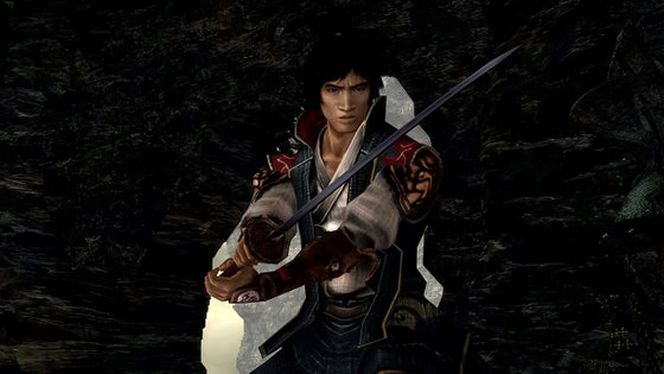
REVIEW – It’s wild to be saying this in 2025, but Onimusha fans are in for an exciting time. This horror-samurai franchise, which basically gave the Resident Evil formula a demonic sword-fighting twist, first hit the scene in 2001 and spawned a string of sequels until 2006, when it vanished into the shadows. It was so popular back then that a live-action film with a $70 million budget was even on the table, making its disappearance all the more puzzling. Yet here we are again: next year’s Onimusha: Way of the Sword will reboot the series completely, and for now, we have Onimusha 2: Samurai’s Destiny back in the spotlight in remastered form — which basically means it’s just how you remember it, warts and all.
Booting up the remaster for the first time, you’re greeted with a heads-up: this edition stays as faithful as possible to the original experience. So, don’t expect a full-blown modernization like we’ve seen with Silent Hill 2 or the Resident Evil remakes. Thankfully, Onimusha 2 was already a pretty slick ride back in the day, pioneering parries and blocking with style, and layering smart updates on top of its predecessor to offer a much more balanced experience overall.

Old Warriors, Old Ways
As Jubei Yagyu, you’ll roam the war-torn lands of feudal Japan, slicing through demons, solving puzzles, and forging alliances. The remaster keeps all the original charm intact: the same fixed camera angles and those classic pre-rendered backgrounds that defined the PS1/PS2 horror era. While the visuals have gotten a bit of a facelift, and the 3D character models are sharper, the whole package still feels a little dusty — especially in those gloomy caves and shadowy dungeons.
Nowadays, those static camera angles feel downright archaic. They’re charming in a retro sense, but they can absolutely get in the way, especially when enemies off-screen start chipping away at your health (and some of the bosses really push your patience). The maze-like environments don’t help either — it’s pretty easy to get turned around when everything looks the same.
I had the same gripes with the 2019 remaster of Onimusha: Warlords: it’s undoubtedly a fun throwback, but keeping that old-school look and feel makes it tough to recommend to newcomers. Honestly, I’m not convinced this is the best way to show off what the series can do — especially with that 2026 reboot looming on the horizon.

Modern Tweaks and Quality of Life
Luckily, a few smart improvements made their way in. Auto-saving is a simple but lifesaving quality-of-life boost, and being able to skip cutscenes is a godsend if you’re stuck retrying a brutal fight. I’d totally forgotten that the original Onimusha 2 only used the D-Pad’s “tank controls” — now you can finally move around with the analog stick, which makes everything feel faster and snappier. Quick weapon switching, instead of slogging through old clunky menus, is another welcome touch.
If you’re diving into Onimusha for the first time, Samurai’s Destiny is probably a better starting point than Warlords. Here, you can already see the building blocks of the modern action game: parries, flashy weapon combos, and a satisfying rhythm to combat. There’s even a magic move that lets you supercharge Jubei on command (in the original, this happened automatically — another smart tweak). The enemies are delightfully weird, too: gator-men, tentacled horrors, and masked demons keep the fights fresh. And man, landing that final blow on a floored monster is still oh-so-satisfying.
Gifts, Bonds, and a Little RNG
Onimusha 2: Samurai’s Destiny was one of the earliest games to let you build relationships with your allies through gift-giving. The system can feel a bit random at times — some gifts make total sense (like history books for the history buff), but others are so cryptic it’s like playing blindfolded roulette. Still, there’s fun in figuring it out, and if you get it right, your samurai pals will have your back in key battles. When they show up, it really does feel like the cavalry arriving at just the right time.
While it’s a bit of a hard sell for total newcomers, Samurai’s Destiny does pack in plenty of goodies for diehard fans. There’s a Gallery mode where you can browse through over 100 concept sketches from character designer Keita Amemiya, plus a digital soundtrack with all 43 original tracks. The iconic minigames are also unlocked from the start, and for those who really want a punishing challenge, there’s a Hell Mode that lives up to its name — one hit and you’re done. Definitely not for the faint of heart!
-Gergely Herpai “BadSector”-
Pros:
+ A story that sparks conversation, full of crazy twists and revelations
+ Unique JRPG style made dynamic by the parry system
+ Visually stunning, and the soundtrack is one of the best in recent memory
Cons:
– The apocalyptic world’s atmosphere may not appeal to everyone
– The story sometimes drags out answers, which can be frustrating
– Lack of optional content may reduce replay value
Developer: Sandfall Interactive
Publisher: Kepler Interactive
Genre: Turn-based role-playing game
Release date: April 24, 2025
Onimusha 2: Samurai’s Destiny
Gameplay - 7.6
Graphics - 6.9
Story - 6.6
Music/Audio - 7.9
Ambience - 7
7.2
GOOD
There’s something oddly respectable about how the Onimusha 2: Samurai’s Destiny remaster brings back the 2002 PS2 experience nearly untouched. The visuals got a bit of love, and smart quality-of-life tweaks — like auto-saving and quick weapon switching — make it feel more playable than ever. But the static camera angles and aging presentation keep it from being an easy sell to new players, making this remaster more of a dusty history lesson for the curious and a warm trip down memory lane for longtime fans.















Leave a Reply