
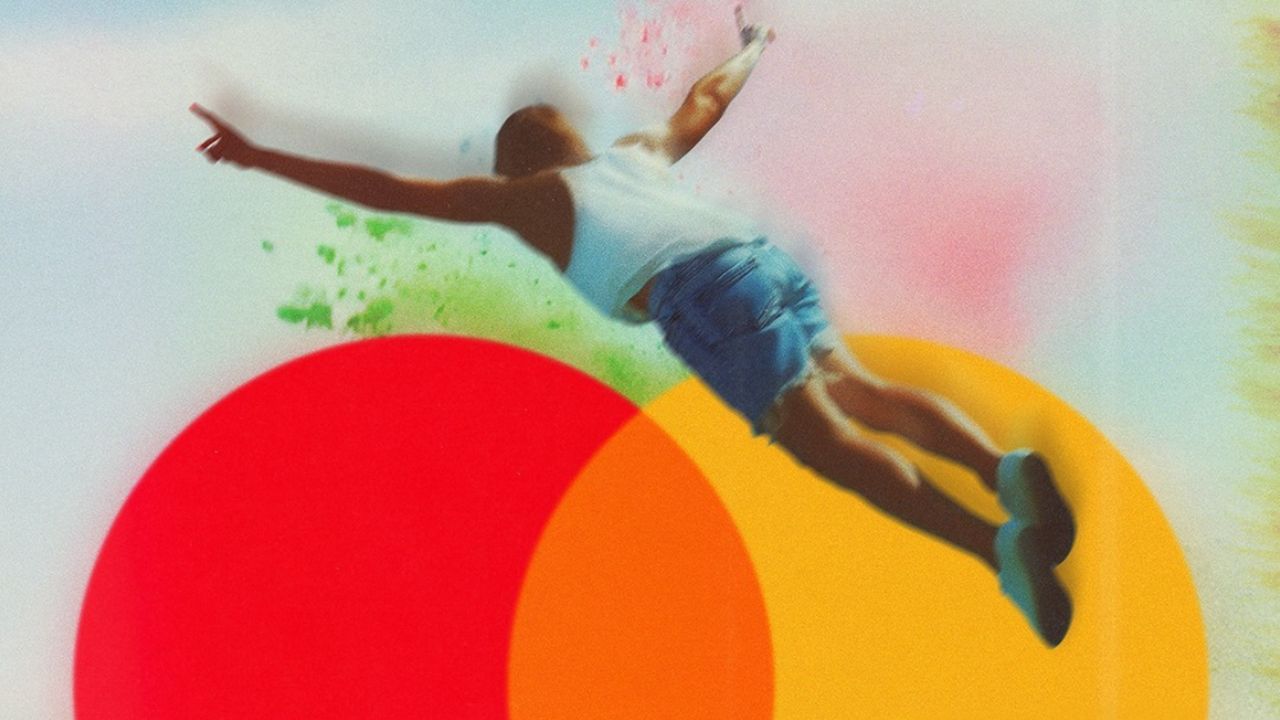
MOVIE REVIEW – Directed by Attila Csizmadia and Tamás Yvan Topolánszky, Festival Country is a rousing, nostalgic road trip through four decades of Hungary’s festival culture. Packed with archival treasures and iconic voices, the film condenses forty years of revelry into one pulsating experience that celebrates freedom itself.
Watching Festival Country feels like slipping into that bittersweet “festival hangover” haze — the mix of emptiness and yearning that sets in once the season ends. The film hurls us back into nights that stretched until dawn, dust-caked campsites, and spontaneous bursts of joy where technology fades and the essentials take over: stage lights, surging crowds, and the communion of music under an open sky. Csizmadia (lead director) and Topolánszky (co-director) spent an entire summer touring Hungary’s biggest festivals, capturing both the spectacle and the quiet moments behind the scenes. The result is an energetic, rhythmically cut documentary that doesn’t tick boxes in chronological order — it channels the essence of festival life.

Legends of the Past, Stars of the Present
The opening moments pull you right in: flashes of legendary concert footage, intercut with Péter Müller Sziámi — a seminal figure of Hungary’s alternative scene and one of Sziget’s spiritual founders — recalling the spark of the early ’90s. From there, the story of the 1993 Diáksziget on a dusty Óbuda field unfolds, which over time evolved into the internationally recognized Sziget Festival. The film charts the milestones of Hungarian festival culture: the rise of Sziget, Sopron’s VOLT, the Művészetek Völgye (Valley of Arts) in Kapolcs, and Zamárdi’s Balaton Sound. Each stands as proof of how a generation’s creative rebellion grew into a nationwide cultural movement.
The film’s middle act belongs to the storytellers themselves: the architects of Hungary’s festival scene — Károly Gerendai, Norbert Lobenwein, Zoltán Fülöp, István Márta, and Müller Péter Sziámi — recount how pure passion became a driving force for an entire country. But it’s not only organizers who get the spotlight: artists across generations — András Lovasi, Halott Pénz, Bagossy Brothers Company, Carson Coma, Blahalouisiana, Дeva, Quimby, and Beton.Hofi — share their unforgettable festival moments. These aren’t just amusing backstage anecdotes; they reveal what festivals once meant, and what they still mean today, to both musicians and their audiences.

Freedom Across Generations
Beneath the party glow, the film strikes deeper chords. Freedom runs as a constant motif: from the 1990s to the present day, festivals have embodied both personal liberation and collective release. The directors ask: what did “freedom” mean to the youth right after the fall of communism, and what does it mean to Gen Z? Why do twenty-somethings keep coming back, and why do fans in their forties and fifties refuse to let go? Festival Country builds a bridge between generations: when old footage cues up a Kaláka song or a grainy memory of Európa Kiadó, nostalgia meets curiosity. Meanwhile, today’s trends — the dominance of electronic music, the industrialization of festival culture — also get their due. The film shows how a hippie ideal became a polished business, without pretending it was a painless transition, and asks what legacy that leaves for the next generation. True to the “show, don’t tell” mantra, the film leans on a mix of archival and fresh material with minimal narration, letting the images and voices carry the story.

Missed Beats, Unmistakable Vibes
Trying to squeeze four decades into a single feature is a daunting task, and omissions are inevitable. Festival Country sticks to the biggest stages, without attempting an encyclopedic sweep. Some may ask why VeszprémFest, EFOTT, or Campus don’t get more play, but in a ninety-minute runtime, choices had to be made. Yes, a few smaller yet significant festivals appear only briefly, but the arc remains coherent. Thanks to brisk editing and a thoughtfully built structure, the film avoids feeling scattered or superficial. And alongside the mega-events, there are glimpses of alternative spaces — Ozora’s trance universe, the laid-back Paloznaki Jazzpiknik, the grassroots Bánkitó, or the dark pulse of Fekete Zaj — reminding us the landscape is broader, and what we see is a representative slice.
Where the film shines brightest is atmosphere. Concert audio hits hard even in the cinema — seats tremble under bass drops and rock anthems. The visuals are just as strong: sweeping drone shots glide over floodlit festival grounds at night, then cut to intimate frames of a backstage hug or a camper’s smile that speak louder than words. The editing rides the rhythm of the music, making the ninety minutes feel like a dance. By the time the credits roll, you’ll be itching to pack your bag for the next festival — or at least hit play again. Festival Country delivers exactly what it promises: a celebration of freedom, the spirit every festival holds at its core.
Legacy and Experience – Final Notes
Festival Country doubles as both a lively historical overview and an immersive emotional package. Csizmadia and Topolánszky highlight the golden years and the current challenges with steady hands and an authentic voice. The only frustration comes from wanting more — the subject could easily fill another film — but what’s here is close to a bullseye. This is the kind of documentary you want to relive the moment it ends. In an era dominated by blockbusters, Festival Country is a rare, heartfelt Hungarian doc that reminds us: music and collective celebration can bind generations together.
– Gergely Herpai “BadSector” –
Festival Country
Direction - 8.3
Interviewees - 8.1
Content/Stories - 7.7
Visuals/Music - 8
Ambience - 8.5
8.1
EXCELLENT
Festival Country is a vibrant, nostalgic documentary that compellingly traces the evolution of Hungary’s festival culture. While a few smaller events get less attention, the sharp direction, rich archival material, and candid personal accounts make it a standout theatrical experience. It’s a reminder of why festivals matter so deeply — and why that elusive “freedom vibe” keeps us coming back.










Leave a Reply