
The PS5 era has delivered the lowest number of exclusives Sony has ever released, yet console sales remain strong thanks to weak competition and a string of clever third-party agreements that helped fill the gaps.
The PS5 has seen roughly five times fewer exclusives than the PS4, and about ten times fewer than the PS3. On paper, that should be a major problem for a console generation, but the PS5 has continued to sell extremely well and has largely kept pace with the PS4’s sales curve. That has been possible because Sony managed to strike smart deals while also benefiting from a notably softer competitive landscape.
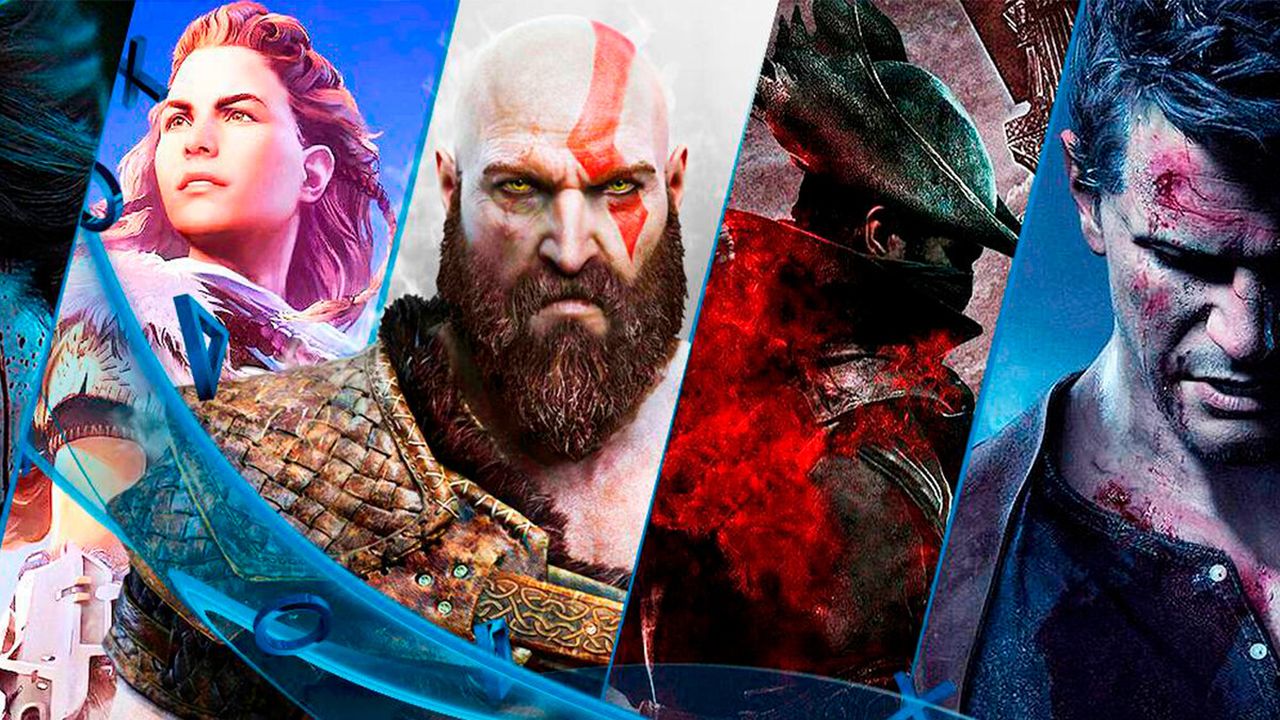
PlayStation’s biggest advantage has historically been its elite exclusives. From God of War to Uncharted, The Last of Us, and more, Sony’s first-party lineup has typically given it an edge over Xbox. The PS5 itself has performed well based on pure sales numbers, but this generation has still seen a sharp decline in exclusive output. Sony has reportedly canceled more than 10 major first-party titles during the PS5 era, including:
• The Last of Us 2 Factions
• Payback (Bungie)
• Twisted Metal
• New IP (Deviation Games)
• New IP (London Studio)
• Spider-Man: The Great Web
• God of War Live Service Project
• Bend Studio Live Service Project
• Days Gone 2
• Bend and Naughty Dog Partner Project (expected to be Uncharted 5)
To put things into perspective, PS5 has about 5x fewer exclusives than PS4 and an astonishing 10x fewer than PS3. So the obvious question becomes: has the lack of exclusives hurt PlayStation this generation? The direct answer seems to be no. The console is now past 84 million units sold, and its sales are almost identical to PS4’s at the same point in time, though the reasons behind that success go deeper than the surface numbers suggest.
Why it matters: exclusives have traditionally defined consoles, pulling in the largest audiences and profits, yet the PS5 has managed to thrive despite having far fewer of them.
PS5 sales remain excellent even with fewer exclusives
No, the shortage of exclusives hasn’t damaged the PS5 in the way it theoretically should have. It’s also worth remembering that the generation launched under heavy supply constraints and other early issues, and the console still ended up tracking close to PS4. Previous generations were loaded with genre-defining exclusives, including franchises like Uncharted, The Last of Us, Horizon, and more, whereas much of the PS5 era has leaned heavily on remakes and remasters.
The bigger question is why that hasn’t slowed Sony down. There are a few major reasons, starting with the lack of meaningful competition. Xbox has fallen far enough that it no longer poses a real threat. Sony has long been associated with premium first-party titles, while Xbox lost a lot of its momentum during the previous generation, meaning many players simply followed a natural upgrade path from PS4 to PS5.
Sony has faced very little real competition this generation
This effectively removed Xbox from the race because its games were already available on PC, turning PS5 into the default choice for many buyers. The main reason to pick Xbox today is being heavily invested in Game Pass. Even in the subscription battle, PlayStation had a strong year, with PS Plus offering solid value in 2025 thanks to a heavy stream of AAA titles. While it still can’t fully match Game Pass, it remains an easy pick for PlayStation users.
On top of that, Sony made sure the platform still had big releases even when first-party output was thin, largely by securing exclusivity deals with other studios. Titles like Stellar Blade, Black Myth: Wukong, and Death Stranding 2 have all benefited from these kinds of agreements.
Momentum could rise even further in 2026
2026 is shaping up to be a strong year for PS5, especially now that it has already established itself as the default gaming console for a large part of the market. Several major releases are expected to push sales even higher. Continuing the trend of high-profile third-party exclusives, Phantom Blade Zero is among the most anticipated action games of the year. Housemarque, the studio behind Returnal, is set to release its next game, Saros, in March.
Then there’s Sony’s tentpole 2026 title, Marvel’s Wolverine, which could provide the biggest sales boost of all. If it lands anywhere near the quality level of Marvel’s Spider-Man, it will be a massive hit. And of course, the conversation isn’t complete without what may be the biggest release of the decade, GTA 6. Rockstar’s next game will hit consoles first before coming to PC later, and many players are already buying PS5s specifically to play it.
While GTA 6 will likely boost Xbox sales as well, the current state of the platform suggests the impact won’t be as dramatic as it will be for PlayStation. There’s also the looming reality that Xbox plans to bring more of its games to PS5 over time, which further weakens the value proposition of owning an Xbox console.
Even with strong sales, exclusives still matter
Sony doesn’t appear to be walking away from exclusives, and that’s probably the correct long-term move. Microsoft struggled after stepping away from exclusivity, and Sony isn’t showing signs of following the same path. In a recent interview, former PlayStation boss Shawn Layden emphasized the role exclusives play, arguing they are essentially the “song” of a platform, and that you can’t realistically expect Nintendo to release Mario elsewhere.
So yes, while the reduced number of exclusives hasn’t hurt PS5 sales in the short term, it could become a long-term issue if this pattern continues. Many fans are already growing tired of constant remasters and remakes and want truly new content. Luckily, PlayStation is reportedly developing fresh first-party exclusives such as Naughty Dog’s Intergalactic and a rumored new God of War, but given the long development cycles, Sony may also need more smaller-scale releases like Astro Bot to keep momentum steady.
Source: tech4gamers


![Harry Potter Fame Did Not Pay the Bills – OnlyFans Saved Jessie Cave [VIDEO]](https://thegeek.games/wp-content/uploads/2026/08/theGeek-Jessie-Cave-OnlyFans-302x180.jpg)









![Harry Potter Fame Did Not Pay the Bills – OnlyFans Saved Jessie Cave [VIDEO]](https://thegeek.games/wp-content/uploads/2026/08/theGeek-Jessie-Cave-OnlyFans-300x365.jpg)
Leave a Reply