
MOVIE NEWS – To truly understand 28 Years Later, you need to know the terrifying recent history of British television. The film’s most controversial scene is also the most significant.
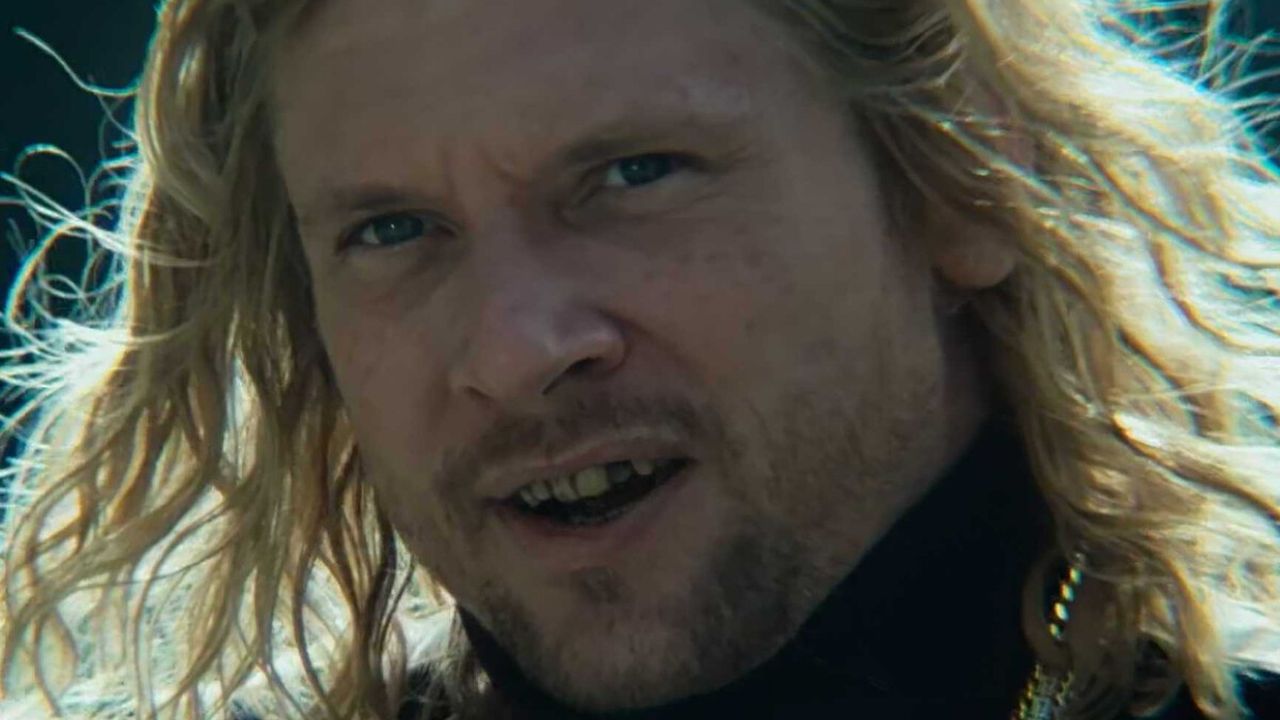
A year ago, the fascinating first trailer for 28 Years Later was introduced by a creepy Teletubbies cameo. That moment remains in the final film, and it’s far more than just a punkish flourish from its creators. A group of children are watching the kids’ programme at the exact moment the rage virus breaks out, effectively shaping this particular post-apocalyptic universe. One of them survives and, at the end of the film, returns as a colourful vigilante alongside his equally colourful henchmen.
Those final minutes were immediately controversial. Within the film, it plays as a badass epilogue, a statement that the movie is willing to take risks and stray from what we expect from a traditional zombie story. For the British, though, it carried a deeper layer. Behind “the Jimmies,” that Power Rangers-style gang with long blond wigs and bright tracksuits, there is a direct reference to Jimmy Savile. One of British television’s childhood icons… who was also known as one of the country’s most infamous sexual predators.
Of course, Jack O’Connell’s character couldn’t have known that, and he borrows the look to form a vigilante zombie-killing gang. The world of Danny Boyle and Alex Garland’s saga is an alternate version of British history where time essentially froze in the early 2000s, with the film starring Cillian Murphy. In those years, Savile was still a major media figure, with his radio work and even a philanthropic side, publicly linked to humanitarian and charitable efforts. He was exactly the sort of role model children of that era might have admired as a hero.
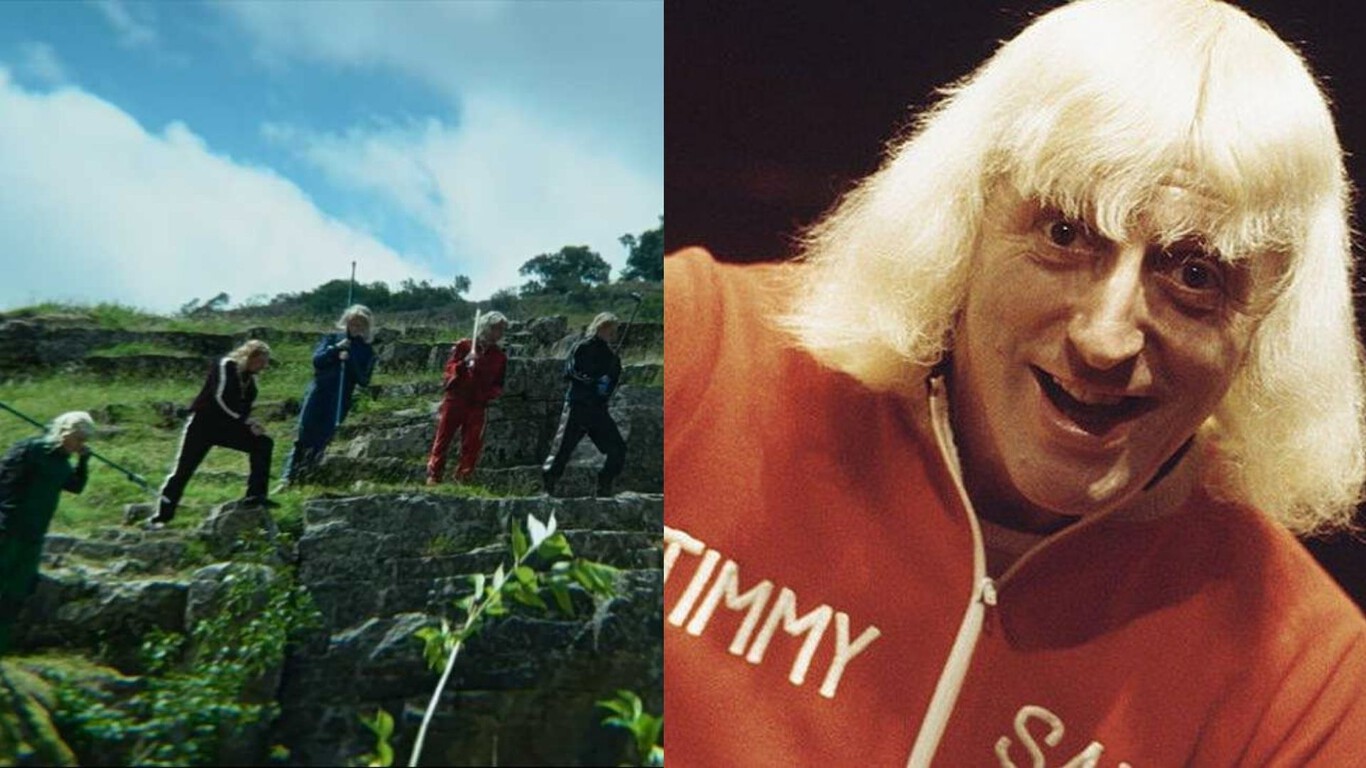
The terrifying realisation for Britain was that Savile was anything but. In 2011, after his death at the age of 84, what had been little more than rumours became something far more concrete. Allegations of sexual assault began surfacing in overwhelming numbers thanks to testimonies from his victims and from people in the industry who had known him, both groups having remained silent until then for fear of reprisals. A generational icon fell at shocking speed, while horrific details emerged, such as claims that some assaults took place in hospitals against terminally ill children, or even in morgues where he was supposedly doing humanitarian work. A true monster, leaving behind irrefutable evidence spanning more than 20 years of his career.
It’s a dark corner of British history and a real narrative hot potato that Garland didn’t need to include in his script, but when questioned about it, he made it clear it was a cornerstone of the story. At the heart of the new trilogy lies a battle between the old and the new world, and for the screenwriter it was a visceral way to show the dangers of nostalgia and of viewing the past only through a positive lens.
It also serves as yet another way of reclaiming the British spirit, for better or for worse, in a saga that has always been centred on it. Both Boyle and Garland embody it, and they make sure to constantly remind us of it. Images of that desolate London remain the franchise’s defining poster, and it’s no coincidence that Brexit was one of the key inspirations for the new trilogy, with a pandemic that, after flirting with globalisation in 28 Weeks Later, once again becomes something exclusive to a Great Britain isolated from the rest of the world.
Source: 3djuegos













Leave a Reply