
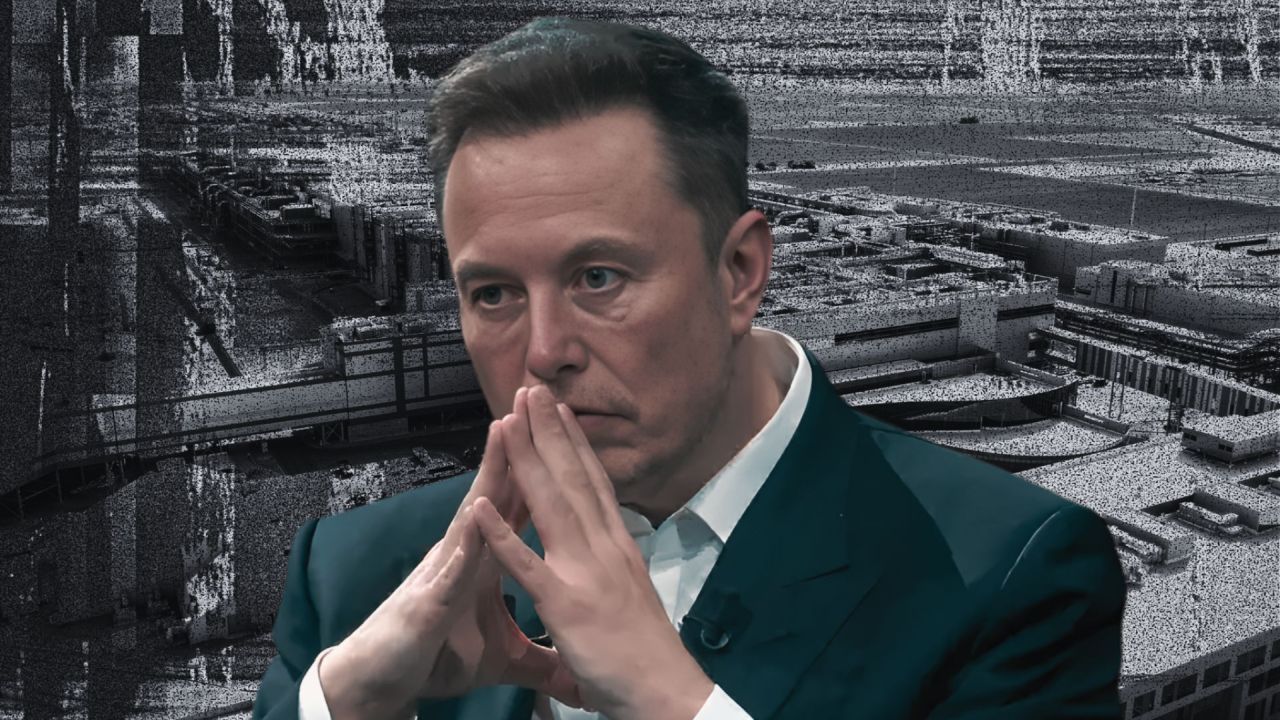
TECH NEWS – According to Elon Musk, this is the only way to achieve the right production scale.
At Tesla’s latest shareholders’ meeting, Musk revealed the company’s intention to enter the foundry business and indicated that Tesla will require sufficient production capacity to ensure the widespread adoption of its unique silicon. Musk’s vision is to create a manufacturing network capable of producing 100 to 200 billion chips per year. He now wants TeraFab to handle logic, memory, and packaging simultaneously so Tesla won’t be dependent on external partners.
“One of the things I’m trying to figure out is how to make enough chips. To eliminate constraints likely to arise in the next three to four years, we must build a gigantic chip fab: Tesla TeraFab. It must be a large-scale domestic production facility that includes logic, memory, and packaging. I can’t see any other way to produce the volume of chips we need,” Musk said.
Tesla’s manufacturing venture doesn’t seem strange, given the huge bottleneck that the semiconductor supply chain is becoming for manufacturers without their own production facilities. Musk outlined a comprehensive roadmap for Tesla’s custom chips, expanding capacity from AI5 to AI9. The goal is to achieve cost-effective computing, which Musk believes is necessary for this venture to deliver the desired results. In response to critics who claim he lacks the necessary resources, Musk acknowledged the difficulty of building these factories but argued that it would be foolish not to try given their many other accomplishments.
We cannot comment on Tesla’s demand for custom chips. However, Musk has said that supply constraints imposed by existing partners TSMC, Micron, and Samsung, as well as geopolitical uncertainties in the chip industry, make the TeraFab project attractive. However, creating a chip network requires several key elements that would make this venture significantly more difficult, such as talented professionals, equipment procurement, and capital. If Tesla wants to create an independent chip business, it will require considerable effort.
Another often-mentioned option in the industry is for Tesla to partner with an existing manufacturer and provide the necessary resources, primarily capital, to build chip manufacturing facilities. TSMC already offers its customers the opportunity to invest in future production lines to gain early access, so Musk could reduce overhead costs associated with maintaining exclusive supply chains.
Considering that Dojo 3 is back and Tesla’s CEO has repeatedly discussed owning a factory, it seems that Musk is seriously considering this idea. This means that, in addition to physical AI and self-driving vehicles, Tesla may venture into the semiconductor industry.
Source: WCCFTech














Leave a Reply