
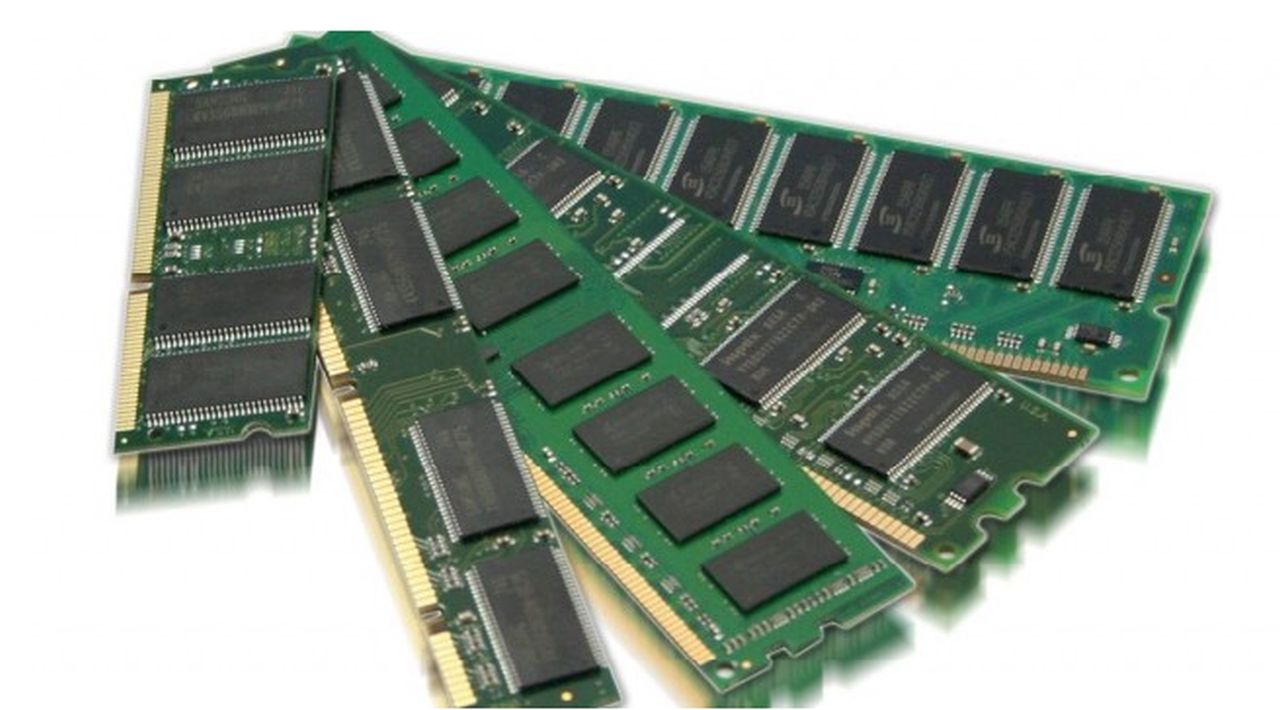
TECH NEWS – Examining the dynamics of the supply chain reveals a different and equally negative story.
Due mainly to the DRAM shortage, gamers are finding it difficult to access memory. Since the supply situation is not likely to improve in the near future, many of us are pinning our hopes on Chinese memory manufacturers. Consumers believe CXMT and other manufacturers are keeping module prices low to ensure widespread adoption, but this belief is mistaken for several reasons. CXMT is one of the leading DDR5 module manufacturers in China. However, DDR5 requires process nodes built with EUV lithography, which China lacks. CXMT uses workarounds to achieve similar results. Notable techniques include SAQP, aggressive binning, and higher XMP voltage profiles.
However, CXMT chips are approximately 40-50% larger than SK Hynix chips with the same memory capacity, representing a cost disadvantage for CXMT. If fewer chips can be produced from a silicon wafer, then costs will increase dramatically as CXMT moves to mass production. This puts the Chinese manufacturer at a serious disadvantage. To achieve speeds of 8000 MT/s, CXMT’s binning techniques raise the inventory temperature compared to alternatives. When discussing memory introduction specifically, we are not only talking about purchasing and integrating it into the main silicon; we are also talking about a multi-step process that includes design validation, testing, and ultimately, integration. CXMT does not currently have these elements in place as it is new to the market with its DDR5 solutions.
“For CXMT to become a global memory company, it would need experience resolving technical defects with customers in various application fields, such as CPUs and mobile graphics. Given that we already have proven suppliers like Samsung and SK Hynix, there is no reason to choose a company without a history of quality and reliability,” says Shim, a professor at Dong-A University.
From a business and manufacturing perspective, Chinese manufacturers cannot increase the mass production of DDR5 chips without facing financial and implementation challenges. Considering China’s domestic demand, CXMT’s current production capacity only serves the region. Even if the company dramatically increases production, Apple, HP, and Dell will not purchase modules until they have thoroughly tested the technology themselves.
CXMT has denied allegations that it sells RAM kits at prices below retail. According to DigiTimes, the manufacturer is now seeking to align its prices with those of Korean manufacturers. This means there are no longer any exclusive discounts on CXMT memory modules. Similarly, the renowned Chinese NAND manufacturer YMTC is investing in DRAM production lines. However, there are no reports of YMTC undercutting current DDR5/DDR4 contract prices. YMTC has been on the US Entity List since December 2022, following allegations that the company did business with Huawei and the Chinese military. CXMT is not on this list; however, the US Department of Defense continues to ban the company under Section 1260H. This means that any mainstream interest in CXMT could get the company into trouble.
The United States has long opposed integrating key technologies into computer products supplied by Chinese manufacturers. This includes AI and network infrastructure. Even if Chinese memory manufacturers were given the opportunity to integrate their modules into products sold to U.S. customers, the government could intervene and impose restrictions. This is another important concern. Given the current state of Chinese memory manufacturers, the prospect of sourcing inexpensive RAM modules made in the US seems optimistic at best. However, it is important to note that CXMT and YMTC are significantly behind due to manufacturing constraints.
Introducing them on a large scale would require investments that do not seem worthwhile.
Source: WCCFTech, KoreaHerald, DigiTimes

![The Nintendo Switch 2 Keeps Pace with the Xbox Series S Even in the Case of the Oblivion Remaster! [VIDEO]](https://thegeek.games/wp-content/uploads/2026/08/oblivion-remastered-switch2-1280x720-1-302x180.jpg)


![Marvel’s Wolverine Is Getting a Limited-Edition Console, Cover, and DualSense Controller! [VIDEO]](https://thegeek.games/wp-content/uploads/2026/08/wolverine-ps5-bundle-1280x720-1-302x180.jpg)
![Phantom Blade Zero: From Pre-Orders to State of Play [VIDEO]](https://thegeek.games/wp-content/uploads/2026/08/phantom-blade-zero-1280x720-2-302x180.jpg)




![The Nintendo Switch 2 Keeps Pace with the Xbox Series S Even in the Case of the Oblivion Remaster! [VIDEO]](https://thegeek.games/wp-content/uploads/2026/08/oblivion-remastered-switch2-1280x720-1-300x365.jpg)


![Marvel’s Wolverine Is Getting a Limited-Edition Console, Cover, and DualSense Controller! [VIDEO]](https://thegeek.games/wp-content/uploads/2026/08/wolverine-ps5-bundle-1280x720-1-300x365.jpg)
Leave a Reply