
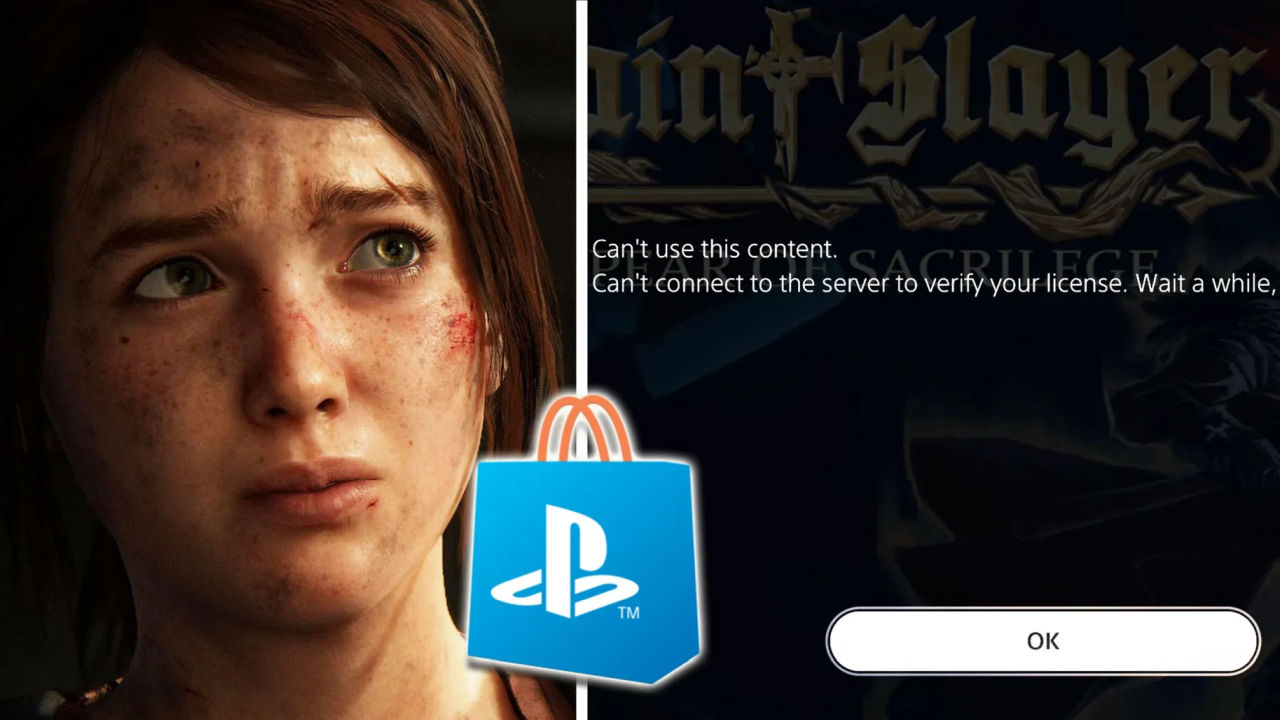
OPINION – The 30-day DRM controversy around PlayStation is not a minor technical annoyance, but exactly the kind of issue that exposes how unstable the foundations of the digital games market have become. If digitally purchased PS4 and PS5 games really are tied to periodic online license checks, then the question is no longer simply whether the system is inconvenient. The real question is what players have actually bought, under what conditions they can access it, and how long a market leader can treat silence as a substitute for accountability.
The current controversy revolves around reports that digital PS4 and PS5 games purchased after March may display a 30-day license validity period. That suggests the console may need to perform periodic online checks to keep access active. The important caveat is that, until Sony explains the situation officially and in detail, nobody can state with complete certainty whether this is a deliberately introduced DRM system, a bug, a misplaced security mechanism, or badly surfaced license information. But that is precisely the point. A platform holder of this size should not leave customers to piece together the status of their digital libraries from screenshots, YouTube tests, X posts, and speculation.
Sony used to understand the power of fast, clean communication. PlayStation history includes plenty of moments when the company spoke to its audience with confidence, timing, and even a useful touch of arrogance. Now, however, it once again looks as if Sony would rather wait for the noise to die down. That ostrich strategy may be convenient in the short term, especially when PlayStation holds a strong position, Xbox has spent years wrestling with its own identity, and Nintendo plays by its own rules. But silence is not neutral here. Silence sends a message. It tells users that they may pay, buy games, and build digital libraries, but when basic questions arise about access conditions, they do not deserve an immediate straight answer.

Digital Purchases Cannot Remain A Trust Trap Wrapped In Legal Fog
The great lie of the digital games market begins in the same place every time: the user feels as if they are buying something, while the platform often legally grants access, licenses, and conditional use. The storefront experience looks like any other purchase. Cart, payment, download, library. A normal consumer can reasonably conclude that the thing they paid for belongs to them in some durable and predictable sense. The reality is far colder: the rights attached to digital content are limited by the provider’s terms, and access is often far more fragile than it would be with a physical copy.
That is already problematic, but it becomes genuinely unethical when the platform holder does not clearly communicate the exact limits attached to purchased content. If a game requires periodic online verification, that cannot be treated as a hidden technical detail. It is essential information that affects the purchasing decision. It matters whether a game can be played offline in the long term. It matters what happens if PSN is unavailable, if the console stays offline for a long period, if the CMOS battery, account verification, or any server-side authentication chain fails. These are not niche technical curiosities. They are the foundations of usability.
The European Union’s rules on digital content and digital services exist because digital products must also conform to what consumers can reasonably expect. If digital content fails to work as expected, consumers may have rights to remedies. That does not mean every DRM dispute automatically becomes a winning lawsuit. But it does mean that a newly surfaced, poorly explained system that may restrict access can raise consumer protection and civil law questions. A digital game cannot be sold like a full-price product and then later revealed to depend on an invisible permission machine.

The Risk Of Civil Lawsuits Is Not An Empty Threat
Sony has already faced legal pressure over the PlayStation digital ecosystem. In the United States, consumer claims have challenged PlayStation’s digital game sales practices, while in the United Kingdom a large collective case has accused Sony of overcharging customers through the closed structure of the PlayStation Store. These are not the same cases as the current DRM controversy, but they are important precedents. They show that consumer complaints around PlayStation’s digital marketplace can absolutely move from online anger to courtroom proceedings.
If the 30-day check turned out to be a real and deliberate system rather than an error, it could be challenged from several directions. Consumers could ask whether they received adequate information about access restrictions before purchase. They could ask whether digital content still conforms to what they reasonably expected at the time of the transaction. They could ask whether the system harms users without constant internet access, users on non-primary consoles, preservation-minded buyers, or players who bought digital games expecting long-term offline access. It could also raise questions about whether such a mechanism counts as fair commercial practice if it was not made clear and prominent at the point of sale.
This is not theoretical even from a European consumer perspective. The logic of consumer protection is that buyers should not be placed in a decision-making position without essential information. For a digital game, periodic online license verification is essential information. So is the length of offline functionality. So are the conditions under which purchased content might become inaccessible. If those conditions are unclear, the dispute is not just a forum war or social media outrage. It can become a legal and consumer protection issue.

Sony’s Silence Is Already Damaging Trust
The PlayStation community is not reacting in a vacuum. The earlier CMOS battery controversy already showed how quickly panic can spread when the long-term usability of a console or digital library appears tied to server authentication, internal clocks, or other technical dependencies. The panic around the PS5’s liquid metal cooling showed a similar communication pattern. Whether every fear in those cases was justified is not the main issue. The pattern matters: Sony stays quiet, the community speculates, external experts do the explanatory work, and the company waits for the cycle to fade.
That is ethically indefensible because Sony is not a passive participant in this market. It is one of the most powerful rule-makers in it. When a company like that refuses to communicate clearly, it does not merely create bad PR. It creates the impression of power being used without responsibility. Players are not equal negotiating partners with a platform holder. They cannot redesign PSN infrastructure. They cannot install an alternative store on a PlayStation console. They cannot preserve their digital purchases on their own terms. That is exactly why transparency should not be treated as a favor, but as a basic obligation.
The normality bias makes this even more dangerous. Many people will instinctively say: I always have internet, so this does not affect me. But consumer rights do not only matter when the comfortable majority is inconvenienced tonight. The real question is not whether a game launches today in a house with stable broadband. The question is what rights remain ten years from now, after server shutdowns, account issues, region changes, second-hand consoles, archived libraries, and older digital purchases enter the picture. Digital ecosystems reveal their true nature later, when the marketing campaign is over and only the access question remains.

A Market Leader Has More Responsibility, Not Less
Sony is in a comfortable position today. PS5 is strong, PlayStation remains a massive brand, Xbox has spent years fighting its own strategy, and Nintendo is not competing in exactly the same lane. But that does not excuse Sony’s silence. It makes it worse. Market leadership is not a license to avoid open communication when users ask basic questions about access to paid content. The larger the platform, the greater the consequences when it establishes bad norms.
If players accept that a purchased digital game may be tied to periodic online verification, that can become an industry practice tomorrow. If companies learn that outrage lasts a few days and then everyone goes back to buying games, that is exactly the lesson they will apply. Digital markets do not become hostile to consumers overnight. They get there step by step. One small check here, one licensing restriction there, fewer physical releases, higher subscription fees, more vague terms. At the end stands a player with a paid library and less real control over it than ever before.
The minimum Sony should do now is provide an immediate, detailed explanation written in plain language. If this is a bug, say so. If a fix is coming, give a date. If the system only appears under specific conditions, describe them precisely. If there is no new DRM, deny it clearly. If there is periodic online verification, then stop hiding behind technical fog and accept the consequences. Players are not stupid. They know when a company is trying to blur the central issue.
Sony is not simply mishandling a DRM controversy. It is eroding trust in its own digital future. Once that trust cracks seriously, it will not be repaired with a State of Play, a new trailer, or another exclusive announcement. PlayStation has been able to get away with many things because the brand is strong, players are attached to it, and competitors often make their own mistakes. But digital ownership is a different category of problem. This is not just about whether an interface is ugly or a subscription is expensive. This is about whether players can truly access what they paid for.
If Sony continues to answer this with silence, it should not be surprised if the debate moves beyond social media. Consumer complaints, regulatory scrutiny, and civil lawsuits are not hysterical fantasies. They are logical consequences in a market where digital purchases involve more and more money while consumer rights often remain unclear. Sony can still clarify, explain, and fix this. If it does not, its silence may become the strongest argument that PlayStation’s communication is not merely weak, but deeply irresponsible.
-Gergely Herpai „BadSector”-
Sources: 3DJuegos, VGC, Tom’s Hardware, European Commission, Reuters, Reuters







![Marvel’s Wolverine Is Getting a Limited-Edition Console, Cover, and DualSense Controller! [VIDEO]](https://thegeek.games/wp-content/uploads/2026/08/wolverine-ps5-bundle-1280x720-1-300x365.jpg)
![Phantom Blade Zero: From Pre-Orders to State of Play [VIDEO]](https://thegeek.games/wp-content/uploads/2026/08/phantom-blade-zero-1280x720-2-300x365.jpg)

Leave a Reply