
MOVIE NEWS – Among modern directors, David Fincher stands as one of the most prolific. After starting with music videos and moving into feature films with Alien 3 — an experience so disastrous it almost ended his career before it began — Fincher went on to deliver a series of masterpieces most filmmakers can only dream of. From Se7en to Fight Club to Zodiac, his work proved he was a visionary director built for cinema.
That’s why it’s disheartening, as a fan, to see him locked away on Netflix. For the past decade, his projects have premiered exclusively on the streamer, the result of a long-standing deal. While there are creative reasons for this partnership, the absence of his work from theaters has left a glaring void.
Fincher’s ties with Netflix stretch back to 2013, when he served as executive producer on House of Cards. He even directed the first two episodes, a move that set Netflix on the path to original programming dominance. The show’s success led to other collaborations like Mindhunter and Love, Death & Robots, with the former ranking among the best series the platform has ever produced.
When it comes to film, Fincher also stuck with Netflix. Since 2019, his features Mank and The Killer have only had limited theatrical runs before heading straight to streaming. His last true wide-release theatrical film was Gone Girl, another major hit that proved his movies, no matter how intimate or unconventional, belong on the biggest screen possible.
Netflix Releases Can’t Match Theatrical Impact
The core problem with Fincher’s Netflix work is that, regardless of the streamer’s clout, its films can’t achieve the staying power of theatrical releases. Mank, a biopic about Citizen Kane screenwriter Herman J. Mankiewicz starring Gary Oldman, received 10 Oscar nominations, including Best Picture and Best Director. Yet it never cemented itself like The Social Network or The Curious Case of Benjamin Button, both of which thrived in theaters largely thanks to Fincher’s name alone.
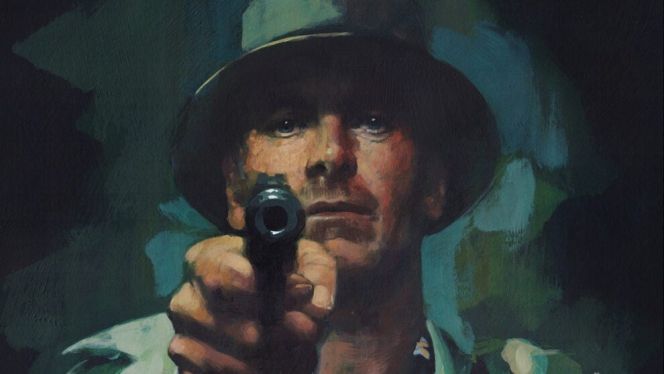
The Killer in 2023 highlighted this issue even more. The thriller, starring Michael Fassbender and scripted by Se7en writer Andrew Kevin Walker, briefly cracked Netflix’s Top 10 before fading almost instantly. Despite an 85% Rotten Tomatoes score and positive critical reception, it vanished from conversation, a casualty of its streaming-only rollout. Netflix may boast about its role in cinema, but it still hasn’t mastered how to make its movies last in the cultural memory — even when they’re crafted by a director of Fincher’s caliber.
What’s more, Fincher’s signature visual style is wasted off the big screen. The Killer looked sleek and stylish, but it lacked the power of his earlier films. This is the man who made Facebook’s creation cinematic and turned Se7en’s grotesque murders into something hauntingly beautiful. Netflix hasn’t blunted his skill, but it has confined it, placing limits that keep his artistry from soaring.
Fincher’s Future Seems Netflix-Bound
For now, Fincher isn’t leaving. He’s currently working on The Adventures of Cliff Booth, a continuation of Quentin Tarantino’s Once Upon a Time in Hollywood, with Brad Pitt returning to his Oscar-winning role and Tarantino himself writing the script. He’s also attached to an American adaptation of Squid Game. But the excitement around Cliff Booth cooled once Netflix confirmed exclusivity. Tarantino’s original grossed $392 million worldwide and landed 10 Oscar nominations. Will Fincher’s sequel come close? Unlikely. As for Squid Game, the project feels more baffling than bold.
Fincher has admitted why he prefers Netflix: creative control. “Let’s be honest. I’ve worked with most of the major studios. When I tell them I need certain effects in 4K, their first reaction is, ‘Why so expensive?’ They balk at the smallest cost. Netflix never questions it. They’ve set a standard that makes sense for filmmakers. By far, they have the best quality control.”
It’s understandable that Fincher values this freedom. But it’s still disheartening to see such a master of cinema boxed into Netflix’s ecosystem. Hopefully, one day his films will once again dominate theaters, because the big screen is where his vision truly belongs.
Source: MovieWeb















Leave a Reply