
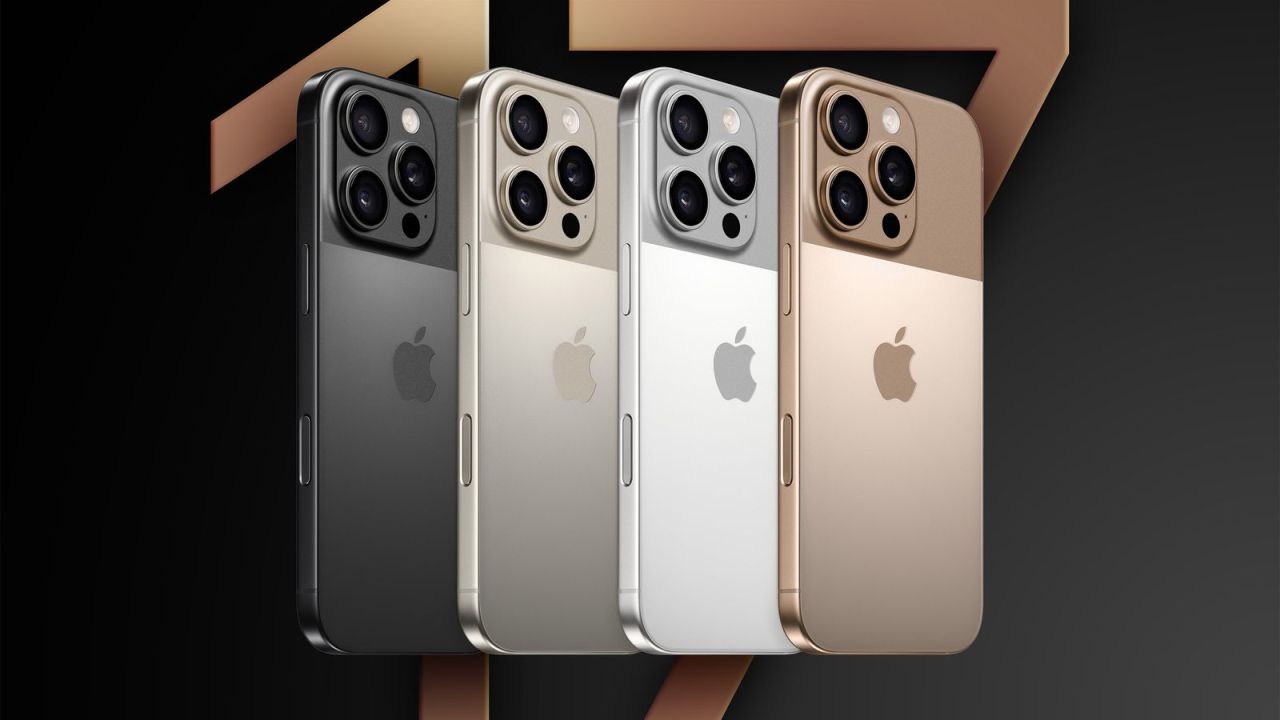
PhoneBuff conducted six drop tests and compared the results with Samsung’s current flagship, the Galaxy S25 Ultra.
This year, Apple switched to aluminum for the iPhone 17 Pro and iPhone 17 Pro Max, offering better heat dissipation and several advantages over titanium alloy or stainless steel. But was the switch meant to make the company’s flagships more durable? We can find out through six drop tests, where the iPhone 17 Pro Max goes head-to-head with the Galaxy S25 Ultra and its titanium-alloy frame. PhoneBuff’s efforts to make its drop tests more accurate are commendable, as it explains the new testing methodology for the iPhone 17 Pro Max and Galaxy S25 Ultra at the beginning of the video. The first three tests targeted different sides, while the last three increased the drop height.
In the 1-meter rear drop test, the iPhone 17 Pro Max’s back glass cracked, but the damage was less noticeable than on the Galaxy S25 Ultra, where the area around the telephoto camera appeared dented. The Samsung flagship’s laser autofocus unit also cracked, and both telephoto lenses suffered significant damage. During the 1-meter corner drop, the results were completely opposite. Apple’s device showed visible scratches and dents, as aluminum is more malleable than titanium alloy. The Galaxy S25 Ultra proved incredibly resilient when dropped on its corner.
In the 1-meter front drop, the iPhone 17 Pro Max’s OLED screen developed cracks that spread to the front camera, causing lens flare. Face ID continued to function properly. The Galaxy S25 Ultra didn’t fare much better, but its fingerprint sensor continued to work as intended.
In the 1.5-meter rear drop, the iPhone 17 Pro Max’s aluminum unibody frame once again saved the day, while the Galaxy S25 Ultra’s rear camera lenses all shattered. The Samsung phone’s ultra-wide unit was completely destroyed, and the viewfinder image quality deteriorated significantly. The iPhone 17 Pro Max’s camera sensors appeared to remain functional.
During the 1.5-meter corner drop, the iPhone 17 Pro Max’s orange paint chipped off, and its 1x camera lost focusing ability. The Galaxy S25 Ultra was almost bulletproof. In the 1.5-meter front drop, both devices suffered similar damage, leading the YouTuber to call the test a tie.
Each material has its strengths and weaknesses, especially when dropped from different angles and sides. If the Samsung Galaxy S26 Ultra switches to aluminum next year, it could match Apple’s durability.
Source: WCCFTech















Leave a Reply