
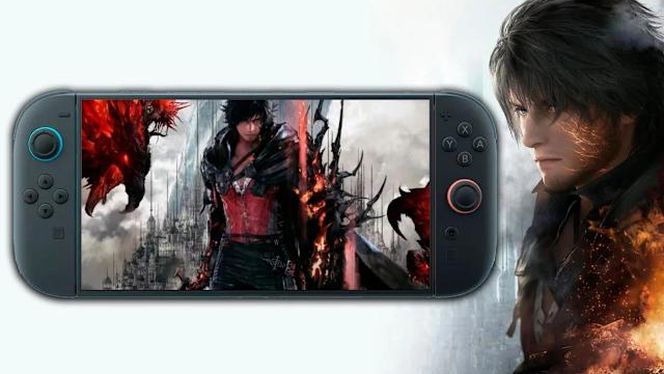
The Nintendo Switch 2 may have kicked off with strong sales and plenty of excitement, but cracks are already showing. Bloomberg reports that many third-party developers are unhappy with Nintendo’s distribution methods and are demanding more options to bring their games to the system.
One thing is certain: the Nintendo Switch 2 has stormed onto the market with incredible momentum, and early numbers point toward a promising new era for Mario’s fanbase. Gamers have been racing through Mario Kart: World, tackling Donkey Kong: Bananza, and enjoying other launch titles in the first weeks since release, all while eagerly awaiting major upcoming hits like Metroid Prime 4: Beyond and Fire Emblem: Fortune’s Weave. Yet despite all the buzz, third-party publishers are already raising red flags about how their own games are performing on Nintendo’s latest machine.
This concern was especially visible around the Tokyo Game Show 2025, one of Japan’s premier gaming events, which opened on September 25 and runs through the 28th. The show floor is filled with big names—Xbox, 2K Games, Annapurna Interactive, Bloober Team—each showing off upcoming projects. But Bloomberg reports that the atmosphere is far from celebratory. The Switch 2 hype has yet to translate into solid results for outside developers, many of whom expected the console to supercharge their sales but instead feel let down by the outcome so far.
The Game-Key Card Dilemma
Bloomberg, citing anonymous developers, highlights one key issue dragging down enthusiasm: the controversial Game-Key Card system. Unlike traditional cartridges, these cards don’t carry the full game. Instead, they act as a key that unlocks a digital download, meaning the card must be in the console, but the game still has to be installed. For many players, it feels like the worst of both worlds—physical without being truly physical, digital without being fully digital.
This is a stark change from Nintendo’s previous approach. In the past, the company offered multiple cartridge sizes, allowing publishers to choose storage capacities that fit their needs and budgets, since larger formats came with higher manufacturing costs. With the Switch 2, however, developers are left with only two choices: pricey 64 GB cartridges or the cheaper but heavily criticized Game-Key Cards. And the latter are not winning over fans. On social platforms, gamers have blasted the idea of buying a physical product that doesn’t actually contain the entire game. Morningstar analyst Kazunori Ito summed up the frustration in Bloomberg’s piece: “The key card feels incomplete, because it combines the downsides of both physical and digital editions. You can’t play without it, but you still have to download the game.”
Are Game-Key Cards Really the Culprit?
Bloomberg points to sales data as evidence of how format choices affect results. Take Marvelous’ Daemon X Machina: Titanic Scion: in the UK, where it launched on a standard cartridge, 72% of its physical sales went to the Switch 2 (according to NielsenIQ). In Japan, however, the same game launched in Game-Key Card form, and just 40% of its physical sales were on Nintendo’s new console (via Famitsu).
This isn’t the first time key cards have been blamed for weak third-party sales. Just weeks after the Switch 2 hit stores, multiple publishers were already complaining of poor performance, attributing the slump primarily to the format. Still, some analysts disagree. Daniel Ahmad of Niko Partners argues that the bigger issue is consumer reluctance to buy the same games again on a new console when they’re already available on PlayStation or Xbox. “Game-Key Cards are maybe the fourth or fifth reason behind slow third-party sales,” he explained. “Outside enthusiast circles, they’re not really a problem. Most players don’t mind owning a physical version that still requires a download.”
Even so, Nintendo didn’t introduce the format without reason. Modern games continue to grow in file size, and Nintendo cartridges are costlier to manufacture than Blu-ray discs used for PS5 and Xbox Series. Bloomberg notes that producing a card big enough for today’s massive games could add $10–20 to the retail price. Still, developers at Tokyo Game Show 2025 were united on one point: Nintendo needs to bring back more cartridge size options. As Ito warned: “If the Switch 2 is to remain successful in the long run, it must be a more appealing platform for third-party developers. That’s why I see this as a concerning sign.”
Source: 3djuegos





![Koshmar: The Last Reverie Looks Like an Action Adventure Trapped Between Dreams and Madness on PC and Consoles [VIDEO]](https://thegeek.games/wp-content/uploads/2026/04/theGeek-Koshmar-The-Last-Reverie-302x180.jpg)


Leave a Reply