
![Vampire: The Masquerade - Bloodlines – Prepare for Your Final Sunset! [RETRO-2004]](https://thegeek.games/wp-content/uploads/2025/10/theGeek-Vampire-the-Masquerade-Bloodlines.jpg)
RETRO – In the universe of Vampire: The Masquerade, the streets of Los Angeles hide all sorts of undead creatures living secretly among humans. Here, vampires are wolves to each other (and sometimes literally werewolves), and every drop of blood is worth more than an ounce of gold. We step into the role of a newly “born” fledgling vampire whose unlife hangs by a thread from the very beginning… With the long-awaited sequel approaching, we’ve updated this retro review for a fresh bite of nostalgia. We’ve updated this retro review in light of the upcoming sequel.
There’s hardly any creature in gaming whose reputation has changed as dramatically over the past decades as the vampire’s. Once the big bad at the end of every dungeon, these bloodsuckers have since become full-fledged protagonists. Think of the Legacy of Kain series, BloodRayne, or the first Vampire: The Masquerade: Redemption — all proof that immortality can sell.
For me, Redemption was the first to sink its fangs into my soul. Ever since, I’d been craving to return to the VtM universe with the same hunger that drives a starving Nosferatu. I devoured Anne Rice novels, studied vampiric lore, and silently prayed that Troika’s upcoming RPG would truly deliver a transfusion to the genre — a game that would pump new life into role-playing itself.
Difficult Birth
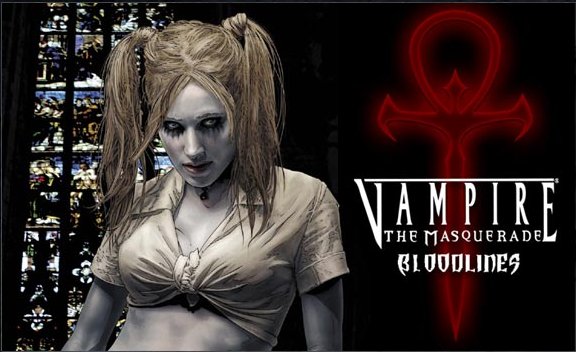
Before we start dissecting (or should I say draining) the strengths and flaws of Bloodlines, it’s worth remembering the history of the PC’s Vampire: The Masquerade and its creator, Troika Games. While White Wolf had been crafting live-action role-playing systems and supplements since the 1980s, the franchise didn’t hit the computer screen until Redemption.
Released in 2000 by Activision (holder of the VtM license), the action-RPG split audiences right down the middle: some — myself included — loved it, while others, especially hardcore tabletop fans, despised it. Critics grumbled about the “Diablo-style” repetition and the lack of a combat pause function, which was only patched in months later — far too late for many who had already finished or abandoned the game.
Another misstep was its suicidal release date: some marketing genius decided to launch it alongside Diablo II. Predictably, Redemption was buried under Blizzard’s juggernaut and quickly faded into financial oblivion.
Fans begged for a sequel on Nihilistic’s forums, but the developers jumped ship to Blizzard to work on StarCraft: Ghost. Activision, burned by Redemption’s sales, shelved the license for a while — until it eventually changed its mind and handed the next project, Vampire: The Masquerade – Bloodlines, to Troika.

The oddly Slavic-sounding studio was already famous for Fallout, though its own Arcanum and Temple of Elemental Evil had earned more cult admiration than mainstream success. Still, Activision believed in them enough to license Valve’s brand-new Source engine — hardly a cheap decision. But the development was anything but smooth: like Half-Life 2, Bloodlines suffered multiple delays and finally released only because Valve’s game launched first. When Half-Life 2 hit shelves on November 16, 2004, Bloodlines followed — fangs out and hungry for players’ attention.
“I Am Lestat, the Vampire.”
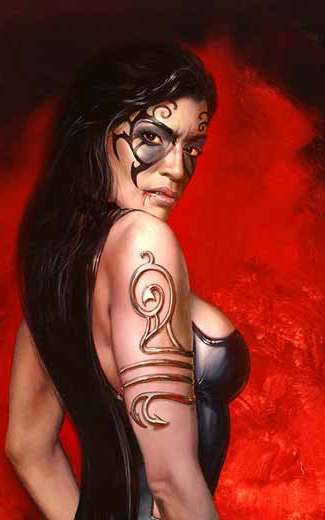
Character creation begins with choosing from seven vampire clans — male or female — each faithful to the tabletop roots. Gone is the prewritten hero of Redemption; instead, you craft your own bloodline. Want brute strength? Go Brujah. Prefer mystical power? Tremere. Craving seduction and deception? Toreador all the way. Each clan’s disciplines differ too, killing off any dream of an über-vampire who can do everything.
And that’s what makes it shine. Unlike Redemption, Bloodlines is infinitely more replayable, encouraging different approaches. You don’t level up traditionally — you spend hard-earned experience points sparingly on skills and disciplines. Best of all, XP is rewarded for completing quests, not just killing enemies. Whether you sweet-talk or slaughter your way through, Bloodlines values brains as much as bloodlust. Brilliant!

City of Angels
Unlike Redemption, which spanned centuries, Bloodlines confines its story to modern Los Angeles — a pity for medieval fans, but a blessing for atmosphere. Its LA is split into four main districts: Santa Monica, Downtown, Hollywood, and Chinatown, each brimming with life (or unlife). While minor NPCs tend to look cloned, key characters are impressively detailed, rivaling — and often surpassing — Knights of the Old Republic thanks to the Source engine’s expressive facial animations.
Pure Source?
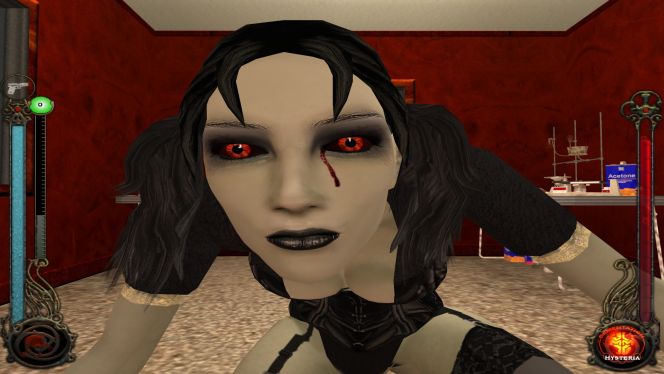
The Source engine was both blessing and curse. Visually, Bloodlines is stunning — arguably one of the best-looking RPGs since Morrowind. Facial animations are phenomenal, eyes full of eerie life. Yet, it’s clearly less polished than Half-Life 2. Environments are detailed but not flawless, and your third-person movement can look awkward, as if your vampire had a stiff hip.
The real killer? Optimization — or lack thereof. While Half-Life 2 ran smoothly, Bloodlines stuttered in smaller areas. Collision bugs abound, objects glitch like Morrowind, and it feels like Troika got an early beta version of the Source engine they couldn’t fully master. Still, despite its flaws, it’s one of the most atmospheric RPGs ever made, and graphics are hardly its most vital vein.

All for One, and All for the Camarilla
Troika truly excelled in mission design. You start as a fledgling servant of the Camarilla, stuck with fetch quests, but as you grow in power, missions become complex and branching. One standout task takes place in a haunted mansion — complete with scripted scares, flickering lights, and a tragic backstory revealed through diaries and newspaper clippings. It’s part horror, part puzzle, and all brilliant design.
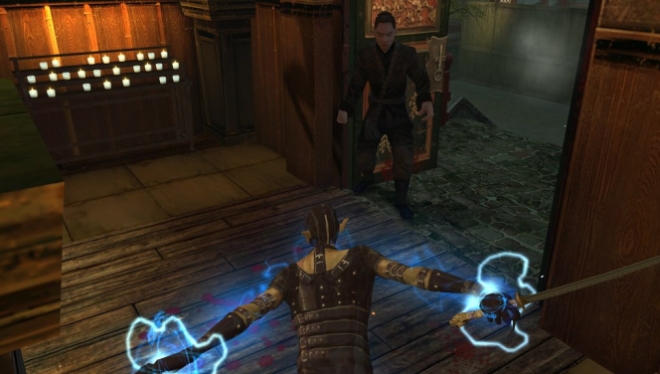
Stealth missions also creep in — not everyone’s cup of plasma, but they work fine. Hacking computers and reading emails for clues adds a layer of dark humor, especially with the game’s hilariously outdated MS-DOS-style terminals (apparently inspired by a Hungarian university setup!).
Leave the Garlic and Cross at Home
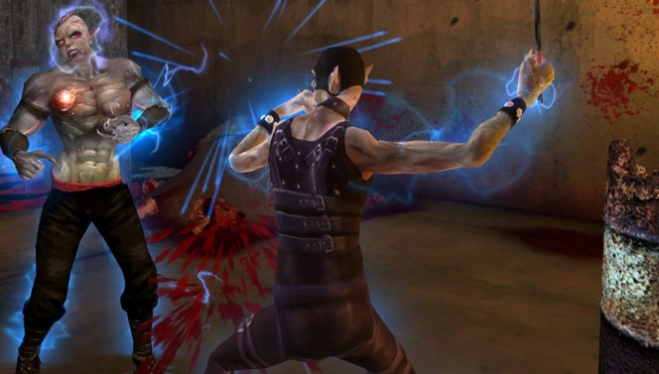
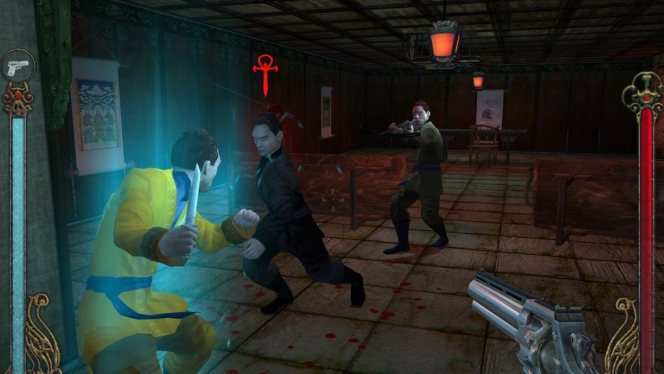
Despite the “Modern Age” setting, guns barely scratch vampires — faithful to VtM lore. Melee weapons are your real friends: knives, pipes, axes, sledgehammers. Sadly, no medieval relics here; Troika took “modern” too literally. Combat in third person works but feels primitive, especially compared to Redemption’s spell-driven depth. The rigid tabletop rules make battles straightforward — sometimes dull.
If only the game allowed true diplomatic playthroughs! Even the smoothest-talking Toreador must hack through hordes eventually. Bloodlines wants to be about choice, but too often it forces your hand into the sword.
Bedtime Stories — Of a Different Kind
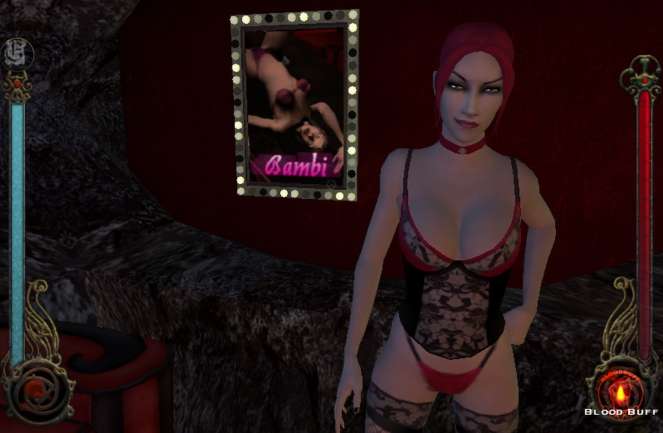
Where Bloodlines redeems itself is dialogue — easily among the best in PC RPG history. Every conversation is dripping with personality, shaped by your choices, clan, and abilities. Charisma, Dominate, and Presence literally alter outcomes. Toreadors seduce, Ventrue command, Brujah smash. The voice acting is top-tier — each NPC feels alive, tragic, or terrifying in their own way.

The story itself evolves from simple beginnings into a web of conspiracies, betrayals, and moral decay that would make Anne Rice proud. It’s mature, complex, and far more daring than Knights of the Old Republic — a dark fairy tale for grown-ups with fangs.
Rough Diamond
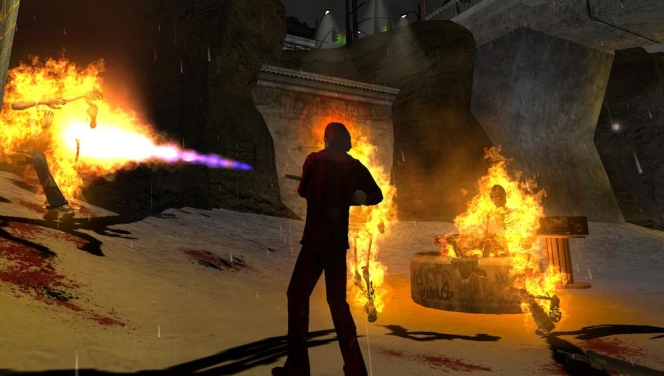
Bloodlines could have ruled PC RPGs — but its many bugs and rough edges held it back. The constant audio hiccups, flickering textures, floating NPCs, and crashes were maddening. Even the intro had a glaring bug that somehow shipped. It’s a miracle the game survived its launch at all.
Yet, for true RPG fans, Vampire: The Masquerade – Bloodlines remains unforgettable — a lonely, bleeding gem that saved 2004’s weak RPG lineup almost single-handedly. Here’s hoping Troika (or whoever follows in its wake) rises from the grave once more. Because waiting another four years for a worthy successor? That would be an eternity — even for the undead.
– Gergely Herpai “BadSector” (2004)
Pros:
+ Excellent, mature storyline
+ Faithful adaptation of the tabletop rules
+ Brilliant quest structure
Cons:
– Bug-ridden
– Poor optimization on early Source engine
– Mediocre combat system
Publisher: Activision
Developer: Troika Games
Genre: Action RPG
Release: November 16, 2004
Vampire The Masquerade: Bloodlines
Gameplay - 7.5
Graphics (2004) - 9
Story - 8
Music/audio - 8
Ambiance - 9.5
8.4
EXCELLENT
Bloodlines could have easily claimed the throne of RPGs thanks to its superb storytelling and deep role-playing mechanics, but its mediocre combat and swarm of bugs left the crown firmly on KotOR’s head.








Leave a Reply