
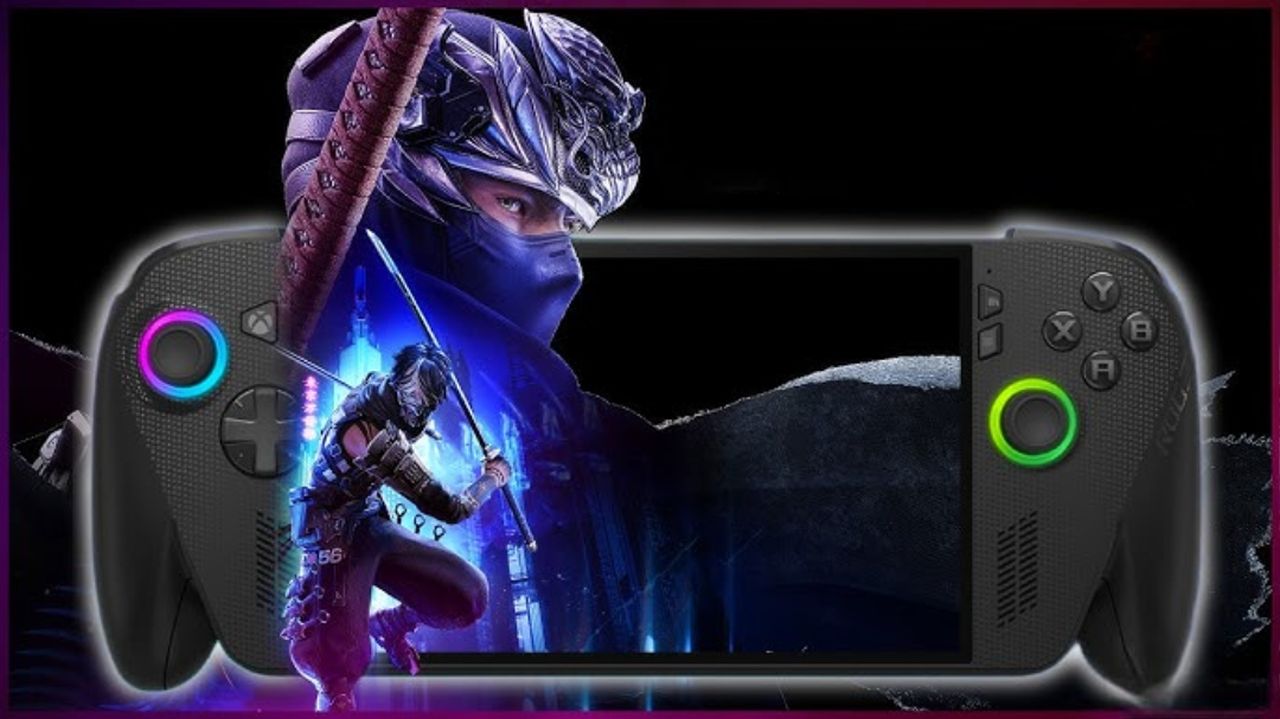
Back in 2001, Xbox stepped into a market long defined by Japanese giants; today, it’s building alongside them. Series like Final Fantasy and Ninja Gaiden still command attention, and sustained partnerships have brought them to ever broader Xbox audiences. As play has shifted from console and PC to the cloud and now to handheld devices, Japanese studios have continued delivering bold, unmistakable worlds. For Square Enix, Team NINJA, and others, the handheld push is the next logical phase of a multi-platform strategy.
When Xbox arrived in 2001, it was the upstart facing fixtures such as Sega, Nintendo, and Sony. Over time, it joined that top tier, yet Japan’s influence—anchored by touchstone franchises like Final Fantasy and Ninja Gaiden—remained central to the medium. Years of collaboration with Japanese publishers have let Xbox lean into that legacy and showcase it for a wider audience.
Japanese creators kept producing standout experiences even as player habits evolved: first living-room consoles and PCs, then cloud play, and now modern handhelds. Naoki Hamaguchi, Square Enix’s Studio Head for Creative and director of the Final Fantasy VII remake trilogy, has spent 24 years in the industry. “I was one of those children who played Final Fantasy and thought, someday I’d like to create a world like this and offer this kind of digital entertainment to more people,” he says. “This greatly inspired me to become a game creator. And so being involved in developing this series now is deeply meaningful to me personally.” The first entry arrives on Xbox on January 22, 2026.

From Signature Craft to Carry-Anywhere Play
Mena Kato, Managing Director of Xbox Asia Partnerships, says Japanese development is defined by meticulous craft that’s recognizable at a glance. “The way they’ve created their games is very unique. It fits right into their culture of craftsmanship. It’s very detailed. It’s not something you produce in a factory,” says Kato, who previously held leadership roles at Sony Interactive Entertainment. “When you see a catalog of games, you can almost identify a Japanese developer because you see those touches there… The love and passion have been here for ages and continue.”
That ethos runs through Xbox’s partners in Japan, where teams treat narrative with the same care they bring to animation. “I believe Final Fantasy is a series that has significantly contributed to establishing this RPG (role-playing game) genre within Japan,” Hamaguchi says. “And particularly the emotionally resonant storytelling, depth of world building, and compelling characters have influenced countless developers, both domestically and internationally.” The original Final Fantasy VII threaded themes of life and death, environmentalism, and self-discovery through a dystopia ruled by an energy conglomerate exploiting the planet’s life force.
Hamaguchi adds that the opportunity to reach more players is creative fuel in its own right. “It presents this challenge of what we can achieve with these specs and then, creatively, it sparks this question: What unique experiences can this [new] device offer?”

New Devices for a New Era
Those devices are the Xbox ROG Ally and Xbox ROG Ally X, built with ASUS, Windows, and AMD, unveiled in June and available October 16. They run Windows 11, so PC players keep familiar storefronts, hop into Discord, watch Twitch, and experiment with mods. Because they’re much smaller than a laptop, it’s easy to carry on with progress started on a PC or console. The Ally line also ties into Xbox Play Anywhere, meaning a single purchase works across supported devices.
“Handheld devices like the Xbox ROG Ally deliver a wider reach as something that takes the console and PC experience further in a portable way,” says Kato. “Developers don’t have to create a specific version for it. It’s actually what is on your TV or on your bigger screens, but it’s going to be on a handheld that you can take out and play.”

A Natural Convergence
Partners like Square Enix view these handhelds as a way to unshackle games from a single setup or audience. That flexibility is a win for players, Hamaguchi notes. “And for us as a company as well, this is completely in line with our multi-platform strategy,” he says. “I sense something of a natural convergence or synchronicity in the direction that both of the companies are pursuing.”
Hiroshi Takai, main director for Final Fantasy XVI at Square Enix, adds: “As Final Fantasy XVI was originally designed with a specific piece of hardware in mind, it wasn’t until we later began work on the Windows PC version — and optimizing the game for a variety of unique hardware environments — that the doors to porting the game to other platforms (handhelds included) opened to us.”
For Team NINJA at Koei Tecmo Games, the studio behind Ninja Gaiden, new audiences and play styles are an opportunity to showcase the art and gameplay standards associated with Japanese studios. Head of Team NINJA and Ninja Gaiden 4 producer Fumihiko Yasuda says the rise of smart-device and PC gaming in Japan mirrors global trends. “In Western markets, the number of players using Steam Deck and remote play is growing, and we want to support those play styles,” he says. “While we don’t wish for hardware differences to drastically change the core gameplay experience, the ROG Xbox Ally allows players to enjoy NINJA GAIDEN at high frame rates, which we believe will appeal not only to longtime fans of the series but also to new players.” Higher frame rates bring smoother motion, tighter input response, and crisper visuals.

Bringing Games to More Players
While Team NINJA/Koei Tecmo Games and Square Enix keep full editorial and creative control, Xbox supports them with engineering resources and broader guidance. “From the early stages of development on Ninja Gaiden 4, the Xbox team has provided us with tremendous long-term support, for which we are very grateful,” Yasuda says. “In addition to platform-related aspects, we’ve had in-depth discussions regarding marketing suited to the title’s characteristics and designing accessibility features to ensure a wider range of players can enjoy the game. We received a lot of valuable advice based on their global player insights.”
That spotlight also benefits smaller Japanese teams like Pocketpair, creators of Palworld and Craftopia. “There are so many players who love the games that we couldn’t reach before we got on Game Pass,” says CEO Takuro Mizobe. “Now more than 10 million players play Palworld through it.” Partners hope these handhelds will broaden the audience even more. “To be able to enable and empower players to play anywhere is just really important,” Kato says. “We’re opening the ecosystem. Consoles are still an important part of our business, but we’re opening the gates.”
Source: Microsoft















Leave a Reply