
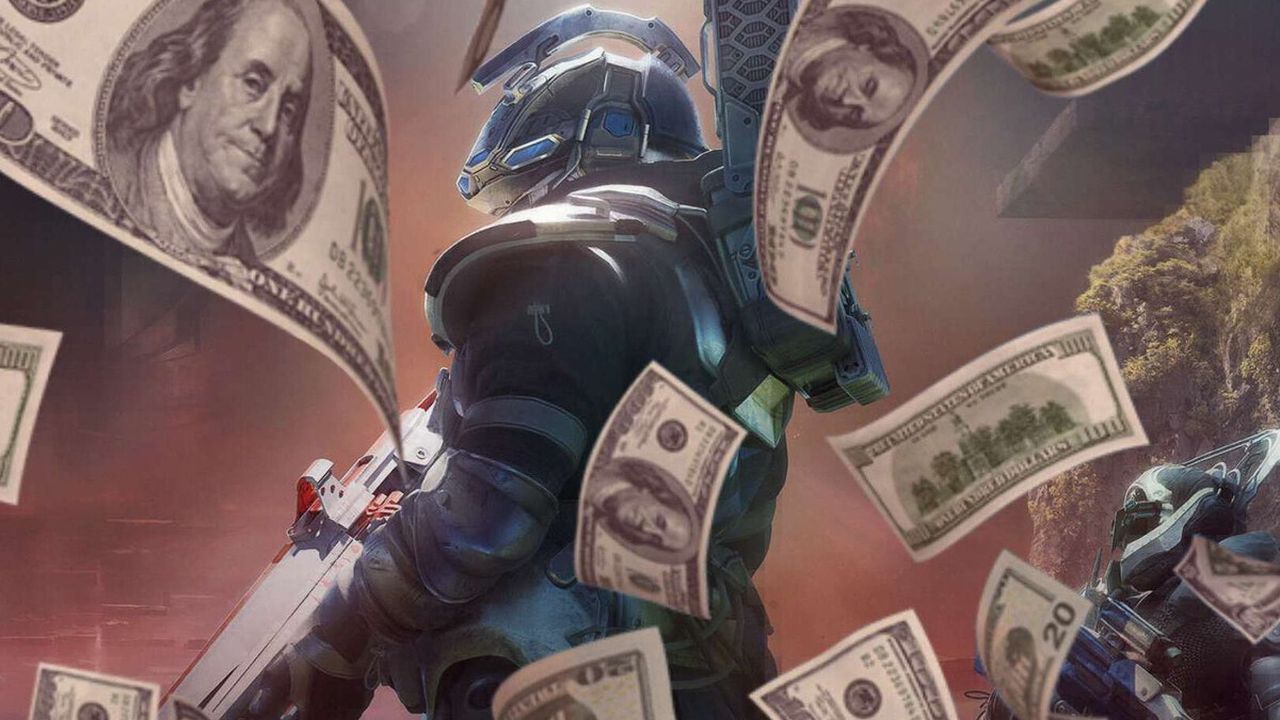
We break down why Sony paid too much for the makers of Destiny and what those fresh losses really mean. PlayStation spent $3.6 billion on Bungie, is now taking an impairment, and yet, back then, the move made sense in context.
In January 2022, Sony publicly announced the Bungie buy. More than three years later, the investment has underdelivered – as CFO Lin Tao put it, “sales and user engagement haven’t met the expectations we had at the time of the Bungie acquisition.” Sony is recording a ¥31.5 billion (about $204.2 million) impairment, which means the current value of assets acquired – IP, workforce, know-how, and the like – now sits below the price paid. Price is not value: goodwill has eroded as staff left, live service crested, and projects were cancelled. The message is simple – Sony today sees less potential in Bungie than it paid for, which flows through as a loss. Zooming out matters: in 2020, most majors were euphoric, fueling pricey deals. PlayStation stresses that despite “many problems,” it is not abandoning games as a service.
What’s Going On With Bungie And Destiny
Since Sony closed the deal and the triple-A bubble deflated, Bungie has shifted on several fronts. Even before the acquisition a third-person co-op Destiny spin-off (Payback) was cut, as was Matter, first floated after a 2018 NetEase investment. A promising fantasy project, Gummy Bears, left the studio and moved to a new Sony first-party team. Bloomberg reported more than 200 layoffs; a widely shared community read holds that Sony likely paid roughly half the sticker price in cash, with the rest financed on Bungie’s side, leaving debt service to manage. Restructuring trims costs and tighter monetization is likely across games and IP.
Destiny 2 is in a softer patch, and recent activity lows make more sense in context:
- The Light and Dark saga ended with The Final Shape in summer 2024, and a new arc has yet to begin.
- Expansions have generally sold less year over year – except 2023’s Lightfall – prompting a shift to two “medium” drops with thinner in-between windows.
- Launched in 2017, the game faces natural fatigue plus controversies like content vaulting.
- The latest medium expansion, Edge of Fate, added progression and activity-launch systems that have not clicked, so changes are needed.
As for Marathon, the extraction-shooter reboot drew a lukewarm reveal and slid to an indefinite window. NDA-bound tests suggest progress, but market fit against rivals like ARC Raiders remains an open question.
Source: 3djuegos




![[TGA 2025] Tomb Raider: Legacy of Atlantis: Another Remake of the First Game! [VIDEO]](https://thegeek.games/wp-content/uploads/2025/12/theGeek-Tomb-Raider-Catalyst-Legacy-of-Atlantis-Remake-Crystal-Dynamics-302x180.jpg)






![[TGA 2025] Tomb Raider: Legacy of Atlantis: Another Remake of the First Game! [VIDEO]](https://thegeek.games/wp-content/uploads/2025/12/theGeek-Tomb-Raider-Catalyst-Legacy-of-Atlantis-Remake-Crystal-Dynamics-300x365.jpg)
Leave a Reply