
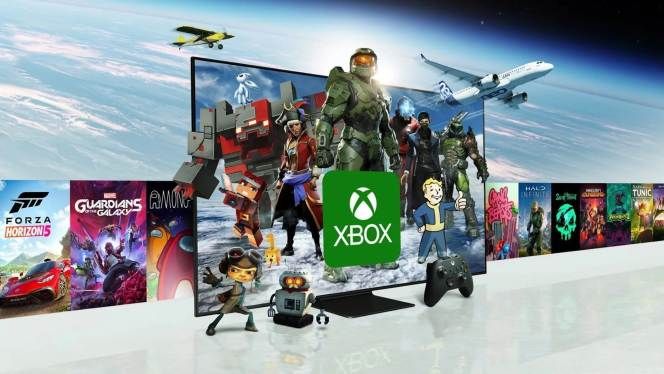
Xbox is on the verge of a historic shift as Microsoft starts pulling down the walls around console publishing and steers its ecosystem closer to the openness PC players enjoy on Steam. For the first time, the company has made its documentation for releasing games on Xbox and the PC Microsoft Store public and unrestricted, in a clear attempt to blur the line between console and PC.
Over the next few years, Xbox is set to go through a deep transformation, with Microsoft openly stating that it wants its platform to behave more like a PC environment, with fewer barriers and more transparency for developers. In that context, the company has just taken a major step forward by opening up its official publishing guide and dropping non-disclosure agreements around it, pulling the console release pipeline closer to the standard Steam has established on PC.
Publishing On Xbox And The Microsoft Store Is About To Get Easier
For a long time, bringing a game to consoles has meant dealing with layers of bureaucracy and certification work that stood in stark contrast to the relative immediacy of publishing on PC. Microsoft has been hearing those complaints from indie teams and mid-sized publishers, who have repeatedly asked for fewer obstacles and more streamlined processes. In response, the Redmond company has now released the Xbox Game Publishing Guide for the first time, an official document that brings together the criteria, workflows, and requirements for releasing games on Xbox and on the Microsoft Store for PC.
At the same time, the company has lifted the confidentiality agreements that used to apply to this information, so it can now be shared freely without legal strings attached. The guide walks developers through everything from signing up for the ID@Xbox program, which is the official route for independent studios to publish on Xbox and PC, to setting up projects in Partner Center, the online hub where teams manage their builds, settings, and releases, as well as configuring wishlists, pre-orders, and launch parameters.
The document also explains how to access programs such as Xbox Insider, which lets users test system features and early game builds, and Game Preview, Xbox’s take on early access that allows players to try in-development titles and send feedback. On top of that, it outlines certification requirements and the services available to support developers throughout the process. With NDAs out of the way, anyone can now turn these steps into practical tutorials and walkthroughs, making the whole pipeline easier to understand from the outside.
This move is also accompanied by updates to the development kit, aimed squarely at tightening the links between Xbox and PC development. New APIs and technical improvements point towards a future in which Xbox looks more like a hybrid console and part of a single, centralized ecosystem. All of this fits neatly with the Play Anywhere philosophy, which has always been about reducing friction between the two platforms. In the medium term, Microsoft also wants to improve game discovery and visibility across its stores.
It is also worth remembering that, at least on the PC store, developers already enjoy an 88 percent revenue share instead of the traditional 70 percent. The new rules make the road to release clearer and less intimidating, while helping to “democratize” the Microsoft Store so that creators see it as a viable marketplace. Now that Xbox and Valve are competing more directly for the same PC audience, the whole process looks very similar to Steam’s widely praised publishing model.
How This Brings Xbox Closer To Steam – And What Players Gain
If you are wondering what exactly makes the new Xbox model feel more like Steam, the key is transparency and openness. Any studio can read, share, and learn from the publishing guide without signing non-disclosure agreements or going through private briefings. Steam has had its fair share of problems with low effort releases and blatant copies, but it is still widely admired because it has “democratized” access and given thousands of indie teams a chance to exist on Valve’s storefront, which is one of the reasons there are now more games than ever before.
For players, the benefits should show up quickly. By simplifying the publishing process on Xbox and on the Microsoft Store, Microsoft is paving the way for a broader mix of games to land on its platforms, from tiny indie experiments to mid-sized projects that might previously have skipped consoles. A more unified pipeline between console and PC should also lead to more simultaneous launches. In day-to-day terms, players can expect a more open ecosystem with more releases, more variety, and fewer delays, which feels like a logical step for Xbox as it prepares for the next generation.
Source: 3djuegos





![Koshmar: The Last Reverie Looks Like an Action Adventure Trapped Between Dreams and Madness on PC and Consoles [VIDEO]](https://thegeek.games/wp-content/uploads/2026/04/theGeek-Koshmar-The-Last-Reverie-302x180.jpg)




Leave a Reply