
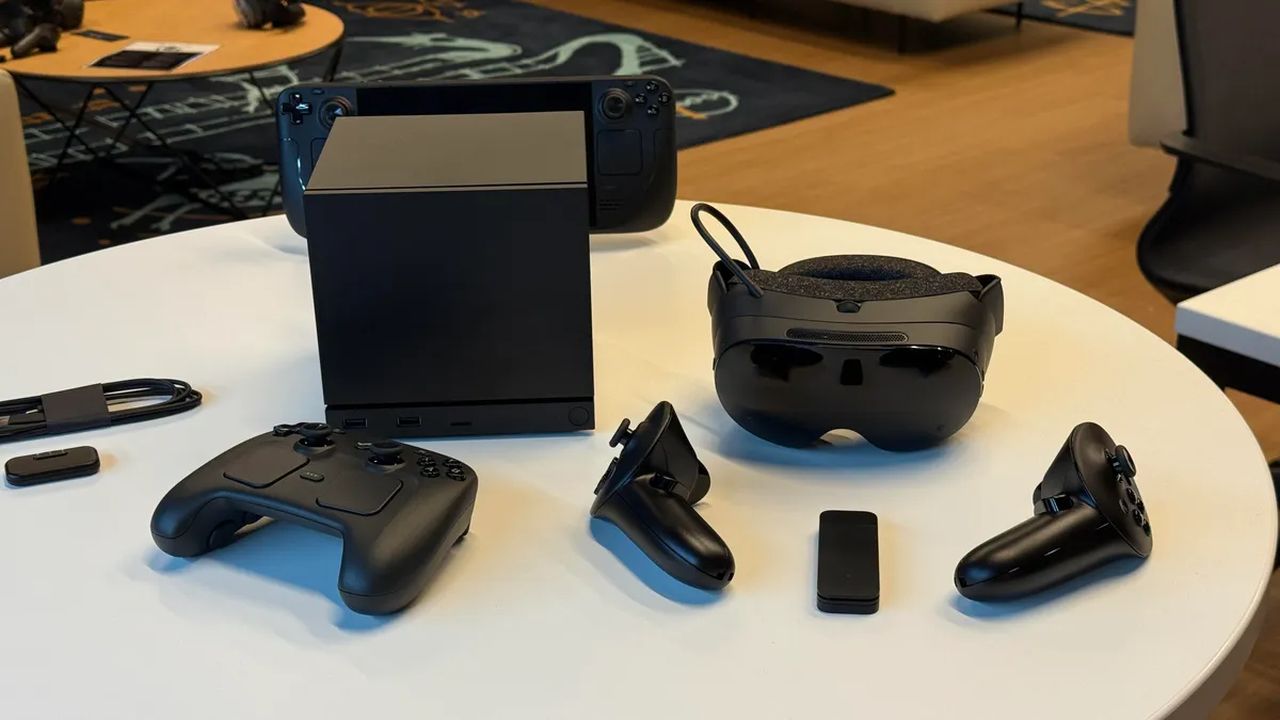
Valve is betting big on Steam Machine as a living room-friendly PC that makes SteamOS feel as simple as plugging in a console, but one awkward question refuses to go away: what happens to all those multiplayer games that rely on kernel-level anti-cheat? If the company truly wants this device to become a hub for online players, it will have to do more than hope the issue solves itself.
One of SteamOS’s most stubborn challenges is still how it handles multiplayer titles that use highly intrusive anti-cheat systems running at the kernel level. Solutions like Riot’s Vanguard or EA’s Battlefield software have a long history of clashing with Linux, which has stopped some of the most popular competitive games from working under Proton. By announcing the new Steam Machine, Valve has effectively brought this discussion back to the table and is now trying to rally developers around it.
The Steam Machine headache Valve needs to tackle
Valve’s goal is to reshape PC gaming with a living room device that focuses on plug-and-play simplicity inside the Linux-based SteamOS ecosystem. The trouble is that heavy-duty anti-cheat systems have kept parts of the competitive scene out of reach for Linux users. As Eurogamer reports, when Valve was asked directly about games such as Valorant or Battlefield 6, the answer was blunt: everything depends on what the developers decide to do.
This technical clash has been brewing for a long time because kernel-level anti-cheat digs deep into the operating system in ways that Proton simply cannot emulate reliably on Linux. Any game that leans on this kind of protection is effectively locked out. In response, Valve chose a less invasive route in its own Counter-Strike 2, using VAC Line instead, and now wants to reopen talks with studios to strike a better balance between anti-cheat enforcement and Linux support. That effort is backed by the fact that Linux already represents around 3 percent of Steam users in the regular hardware survey.
“While Steam Machine also requires developer participation to enable anti-cheat, we believe the incentives to enable it on Machine are greater than on Deck, as we expect more people to play multiplayer games on it. So, ultimately, we hope that the launch of Machine will change the equation around anti-cheat support and increase its compatibility,” a Valve representative explained.
For now, there is no guarantee that Battlefield 6 or other big-name shooters will work out of the box on a Steam Machine under SteamOS. Each publisher will have to make its own call about whether it wants to enable or adapt its security systems, and how far it is willing to go. Valve is hoping that this new device will provide enough motivation for studios to adjust their anti-cheat tools for Linux, instead of shutting the door on thousands of potential players before they even get a chance to log in.
Source: 3djuegos

![Koshmar: The Last Reverie Looks Like an Action Adventure Trapped Between Dreams and Madness on PC and Consoles [VIDEO]](https://thegeek.games/wp-content/uploads/2026/04/theGeek-Koshmar-The-Last-Reverie-302x180.jpg)









![Koshmar: The Last Reverie Looks Like an Action Adventure Trapped Between Dreams and Madness on PC and Consoles [VIDEO]](https://thegeek.games/wp-content/uploads/2026/04/theGeek-Koshmar-The-Last-Reverie-300x365.jpg)



Leave a Reply