
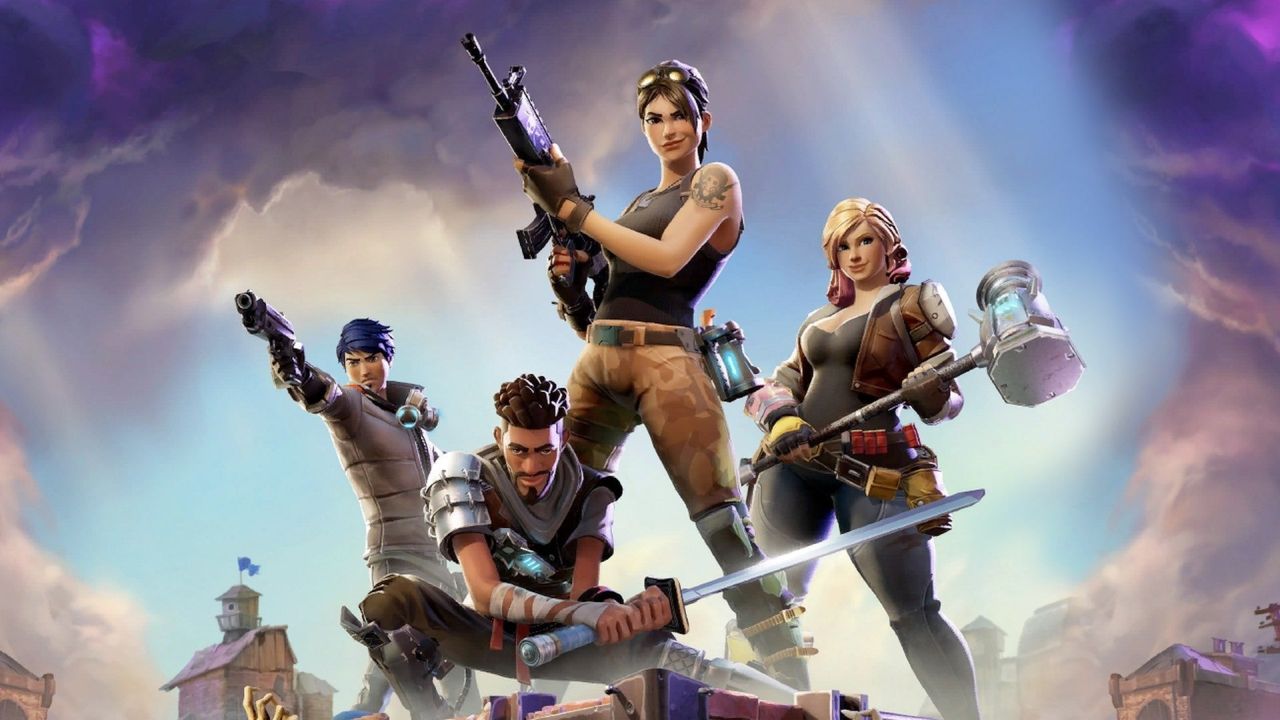
Fortnite is on the brink of a major shift: Epic Games is putting old rivalries aside and striking a deal with Unity that could redefine what the platform is and how it works. The two companies are launching a joint project aimed at bringing Unity-made games and experiences directly into the Fortnite ecosystem, opening the door to an entirely new level of freedom for both developers and player-creators.
Epic Games clearly has no intention of slowing down when it comes to expanding the already gigantic world of Fortnite, and its latest move – surprising to many because of its implications – pushes firmly in that direction. The live service platform, which has long since evolved into a Roblox-style hub of different experiences, is set to receive an update that will make it compatible with projects developed in Unity. In practice, that means creators inside the Fortnite universe will no longer be forced to rely solely on Epic’s own toolset when building new modes and maps. This unprecedented collaboration is designed to give users far more options for producing content for Epic Games’ GaaS (Game as a Service) ecosystem.
An Initiative Meant To Echo The Early Web
Fortnite is no longer just the battle royale sensation that took off back in 2017. That original experience still exists, but today the title functions as a massive platform that hosts everything from Epic’s in-house projects to creations built by the community. As mentioned above, its current design is closer to Roblox, actively pushing UGC (User Generated Content) by giving players access to Epic’s own development tools. These are separate from the Unreal Engine that powers many modern games, although the company plans to merge both pipelines in 2027 with the next major UE update.
That setup, however, is going to change. At Unity’s most recent Unite event, CEO Matt Bromberg announced that the company is working with Epic Games so that titles built with the Unity engine can be brought into Fortnite. On top of that, Unity will update its commerce platform so that it works seamlessly with Unreal Engine. According to the official statement, this “will give Unreal developers more options to manage everything from their digital catalogs and payment providers to web stores on PC, mobile, and browsers. Developers will be able to manage pricing, promotions, and live operations with Unreal Engine.” The overhaul will not arrive overnight and is currently slated for early 2026.
Tim Sweeney, CEO of Epic Games, also appeared at the Unity event to help present the roadmap for this partnership. In a statement published on Epic’s own website, he explained that “as in the early days of the web, we believe that companies should work together to build an open metaverse in a way that is interoperable and fair. By working with Unity, we help developers design fun games, reach larger audiences, and achieve success.”
From Enemies To Lovers
It is an unusual move, because Epic Games and Unity have spent years positioning themselves as direct rivals in the engine space. It is no surprise, then, that some users – like SuspecM – have already compared the whole thing to the classic romance trope known as “enemies to lovers.” In practical terms, the agreement tightens the bond between the two companies in order to further reinforce the Fortnite ecosystem, a game that, it is worth remembering, has already surpassed 500 million registered accounts worldwide.
It is also crucial to stress what this plan does not mean. The idea is not to suddenly bring Unity-made hits like Pokémon GO, Hollow Knight: Silksong, or Subnautica inside the Fortnite client. Instead, the goal is to expand the system’s compatibility so that creators who prefer working with Unity can more easily bring their own experiences to Epic’s platform. And while both companies present the deal as a landmark moment for the industry, not every developer is excited about the direction being taken.
Unity announced the collaboration with Epic Games on its channels and framed it as an exciting step toward the future of both companies. Some users, however, see things very differently. “Ah, focusing on things nobody asked for… Typical Unity. No, I’m not excited,” writes Automatic_Gas_113 on Reddit. Another user, ShadedCosmos, argues that “if Unity focused on its engineering and improving the engine instead of microtransactions, developers would stop jumping ship to Godot.”
“As a developer, my issue with these announcements is that I don’t think I’m the target audience. Shareholders are. That makes me uncomfortable. Decisions made to appease shareholders about things developers haven’t been asking for are a concern,” adds brainwipe. “Epic is still losing to Steam, and Roblox has a huge player base and a closed environment. It makes strategic sense for Unity and Epic to work together. I’m guessing this is a step toward abandoning the Epic Games Store to build everything on Fortnite. Will any of this make my life designing in Unity any easier? Probably not. Unity seems very excited about this, which won’t help me. Fine, I guess. I wonder how many developers feel my unease.”
Many aspects of Unity and Epic Games’ long-term strategy remain unclear, but both companies are expected to share more details about how this agreement will work in practice as they get closer to the project’s planned launch window in early 2026.
Source: 3djuegos












Leave a Reply