
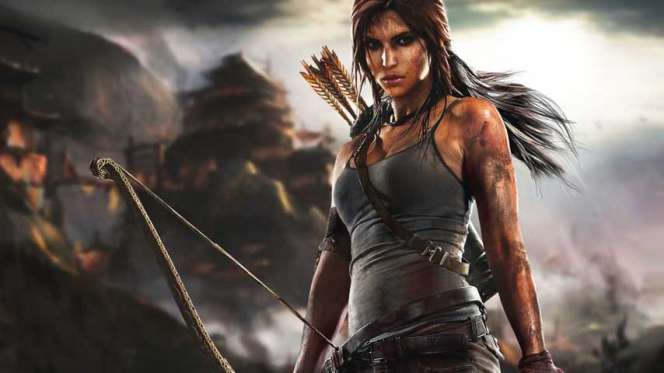
Many players were hoping Nintendo’s new hybrid would be a great way to revisit Tomb Raider, but Digital Foundry’s latest tests show that the Switch 2 Definitive Edition actually falls behind the PS3 and PS4 versions in several key areas.
Back in 2013, millions of players discovered the rebooted Tomb Raider, a comeback worthy of Lara Croft’s legend, and few would have guessed that its “definitive” version would quietly return years later on both Nintendo Switch systems. After the success of the remasters of the classic trilogy, plenty of fans were eager to see more Lara Croft adventures on Nintendo’s hybrid hardware. The end result, however, has left many disappointed, even on Switch 2.
Missed Opportunity For Tomb Raider On Switch 2
A few hours ago, Digital Foundry released a full technical breakdown of the Switch 2 version of Tomb Raider: Definitive Edition (2013). The port, handled by Aspyr, falls short of the expectations of the tech experts, because it cuts back a wide range of visual effects – most notably shadows, foliage, and lighting – to the point where it trails the PS4 version and, in certain scenes, even fails to match the level of detail seen on PS3.
According to Digital Foundry, shadow resolution has been dialed down, many foliage shadows have been removed completely, and ambient occlusion – the subtle shading that gives scenes volume and depth – has been reduced. The result is a brighter image that also looks emptier and noticeably flatter. On top of that comes the absence of TressFX, the dynamic hair technology for Lara Croft that debuted on PC and later appeared in the PS4 and Xbox One editions of Tomb Raider.
The team also reminds us that the PS4 and Xbox One versions had already sacrificed some effects found on PS3 and Xbox 360 – such as on-screen rain – but they made up for it with overall upgrades in resolution and stability. In Digital Foundry’s view, this Switch 2 version is “a missed opportunity” because it drops effects from previous generations without adding anything truly meaningful in return; the only real highlight is a smooth, locked 60 fps. The PS4 version also hit that target, but performance was less consistent and only really felt rock solid on PS4 Pro or PS5 via backward compatibility.
On the original Switch, Tomb Raider behaves more or less as expected. Docked, resolution fluctuates between 864p and 900p, while in handheld mode, it drops to 720p, with a 30 fps target that suffers frequent drops whenever there are lots of characters on screen. Digital Foundry believes Aspyr’s key mistake was to start from the original Switch build and simply bump resolution and framerate, clearly cutting corners in other technical areas. If the studio intends to bring Rise of the Tomb Raider and Shadow of the Tomb Raider to Switch 2 in the future, the Nintendo system can – and should – be pushed much harder.
Source: 3djuegos












Leave a Reply