
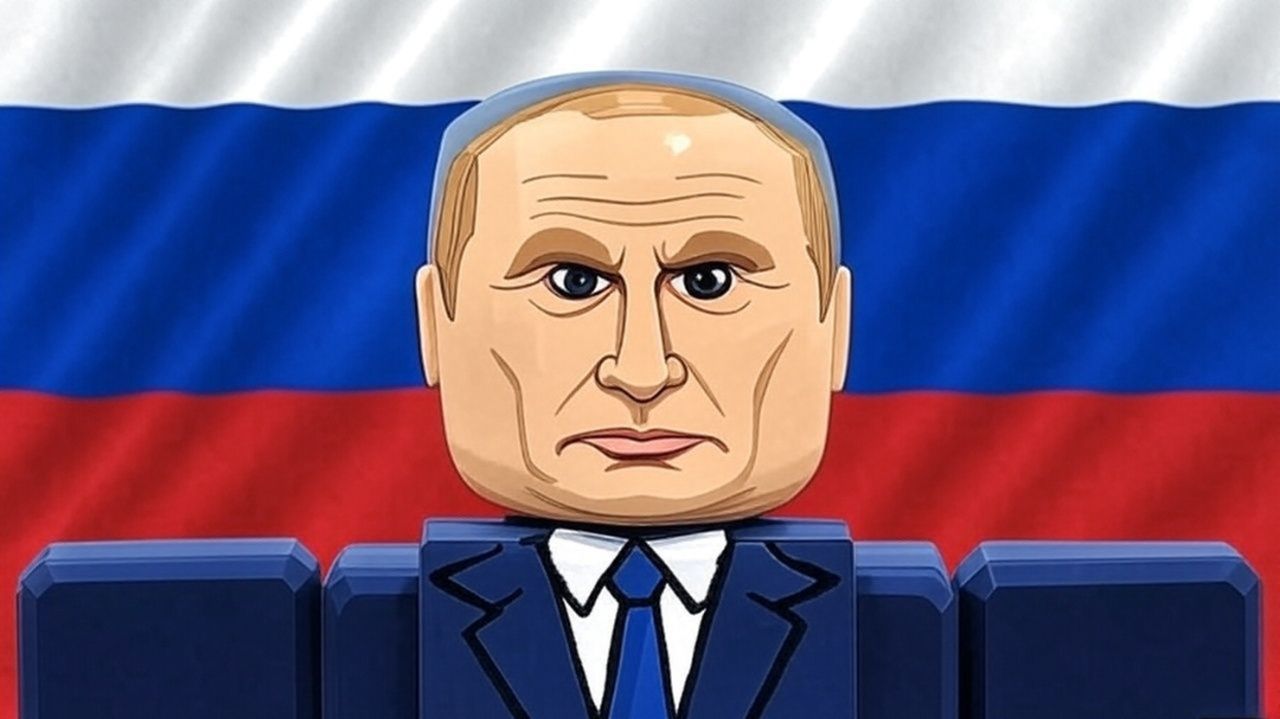
Russia has pulled the plug on Roblox nationwide, but not mainly because of sexual predators or the long-criticized violent and explicit experiences on the platform: the Kremlin’s official line is that the game endangers the “spiritual and moral development” of minors and spreads what authorities describe as “LGBT propaganda” and extremist content.
Roblox has grown into one of the most influential social-gaming platforms of the past decade, with Roblox Corporation generating billion-dollar revenues even while the company remained unprofitable for years. Now, however, the studio is facing an opponent it cannot solve with a simple update: Russia has imposed a blanket ban on the game, citing “extremist content” and alleged “LGBT propaganda” as the main reasons.
As reported by Reuters, Putin’s government argues that Roblox can harm children’s emotional and ethical development. Roskomnadzor, the national media and communications regulator, claims the platform distributes content that clashes with so-called traditional family values and, in particular, promotes non-heteronormative relationships among minors.
This move ties directly into a Russian law that was expanded in 2022 to outlaw the “propaganda of non-traditional sexual relations” in content aimed at children. The legislation covers not only video games, but also films, series and television programs.
The issues haunting Roblox go far beyond LGBT content
Ironically, long before the Russian ban, Roblox had already been under fire for how it handles the safety of its youngest users. The platform has become notorious for harboring sexual predators and for allowing explicit or even highly violent user-created content that is not always properly moderated and can be accessed by virtually anyone. In the United States, prosecutors in Kentucky and Texas have publicly warned parents about the risks Roblox poses to minors.
It is important to note, however, that these concerns do not feature in the official rationale behind the Russian decision. The ban is framed primarily around sexual orientation, with regulators accusing the platform of spreading views they classify as “extremist” and contrary to state-sanctioned norms.
Roblox Corporation’s response has been brief and deliberately generic. The company reiterated its commitment to user safety and stressed that it complies with the laws of the countries in which it operates. It did not directly address the specifics of the Russian ban, nor did it lay out any concrete strategy for how it plans to respond.
With this decision, Roblox joins a growing list of games that Russia has banned for alleged “extremist content”. That list already includes titles such as STALKER 2: Heart of Chornobyl and the The Sims 4 expansion My Wedding Stories, which was targeted because it portrays a same-sex marriage.
Source: 3djuegos





![Koshmar: The Last Reverie Looks Like an Action Adventure Trapped Between Dreams and Madness on PC and Consoles [VIDEO]](https://thegeek.games/wp-content/uploads/2026/04/theGeek-Koshmar-The-Last-Reverie-302x180.jpg)



Leave a Reply