
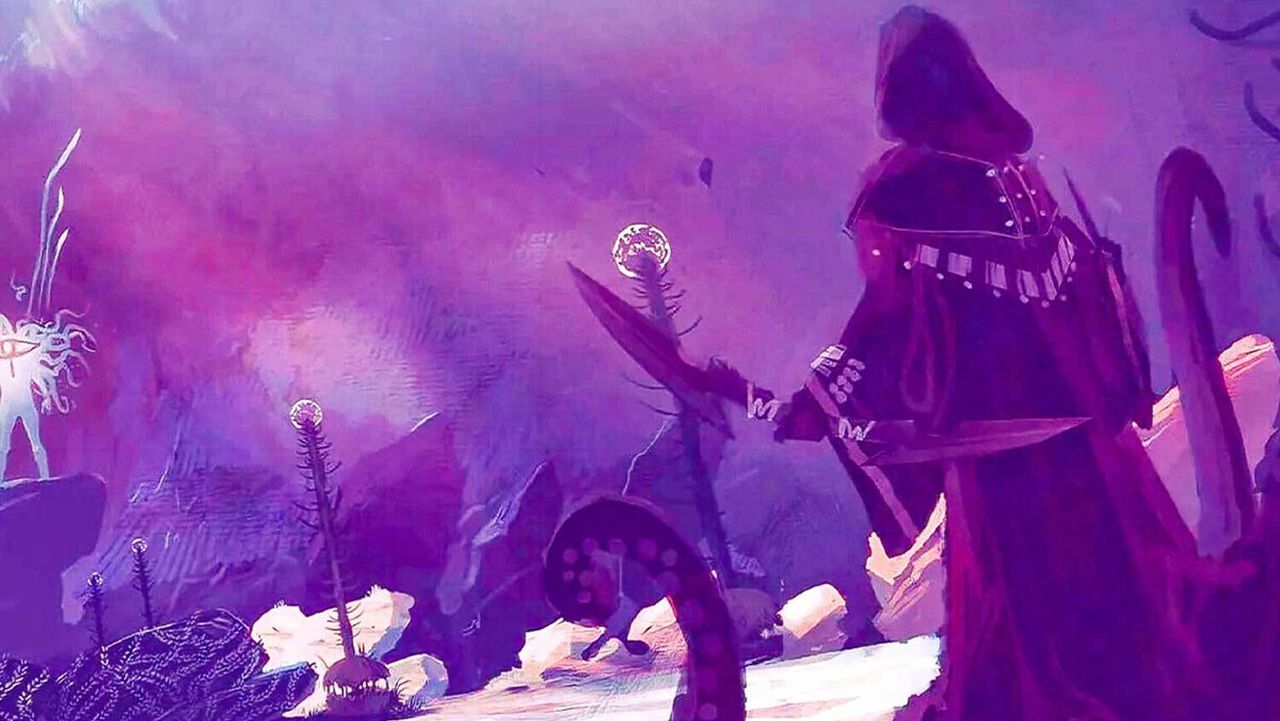
It is not often that fans are genuinely relieved to see a new Zelda game consigned to oblivion, but in this case it really feels like we dodged a bullet. What was once pitched inside Retro Studios as a bold, definitive take on the saga would, judging by later accounts, have landed much closer to an embarrassing misstep than to a masterpiece. Early concept art looked stunning, yet the actual gameplay loop was so bare-bones that Nintendo ultimately chose to pull the plug.
Retro Studios is one of those developers whose history alone could fill several features. Beyond the brilliant Metroid Prime, their name is attached to several titles that helped define entire generations of players. Like most major studios, however, their vault also hides a sizeable stack of projects that never made it to release: among them, an action RPG that could have rivaled God of War, and two Zelda concepts so far removed from the main series that they would have caused a serious stir among fans.
We have already heard about Heroes of Hyrule, a Final Fantasy-style idea that Nintendo shut down quickly. This time, the spotlight falls on another, even stranger experiment, a game whose gorgeous concept art clashed sharply with shockingly poor gameplay. The story resurfaced thanks to deep-dive reporting by DidYouKnowGaming, after a series of leaks in 2020 briefly reignited hopes that this mysterious project might somehow be revived.
Rumors, Leaks, And Concept Art That Drove Fans Wild
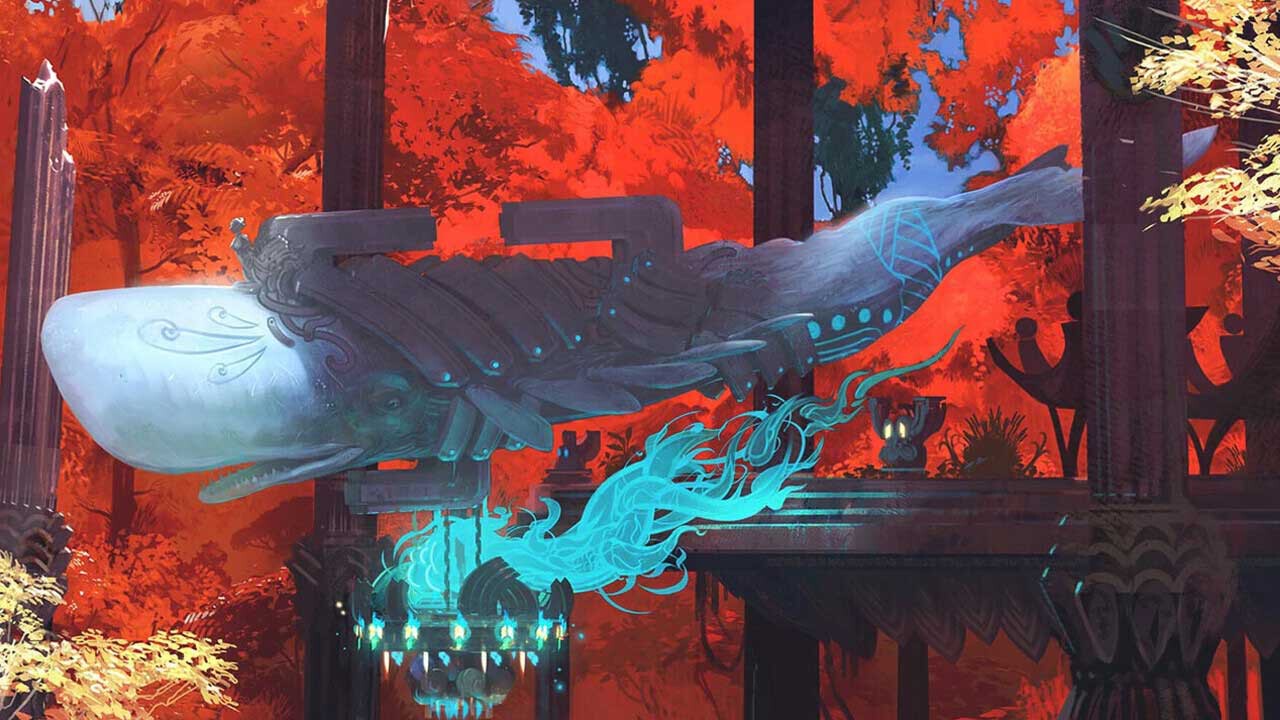
The Zelda title in question – known internally as Project X – first started doing the rounds back in 2008 on sites like Nintendo Life (via My Nintendo News), before the trail went cold and the project appeared to vanish. In truth, fans did not get a proper look at it until 2020, when it emerged that former Retro Studios artist Sammy Hall had quietly uploaded more than a hundred pieces of concept art from the game to his ArtStation page.
The links disappeared almost as quickly as they spread across social media, but their descriptions revealed a lot: “A canceled Zelda project developed between 2005–2008… applying different media (as well as combinations) to explore a wide range of styles. It was a fun pre-pre-pre-production about the origin of the Master Sword. In the bad ending of Ocarina of Time [one of the three timelines in the Zelda saga, in which the hero falls to Ganondorf in this Nintendo 64 classic], we were exploring the journey of the last Sheikah (after a genocidal ethnic cleansing), in which he transformed into the Master Sword. All while the Gerudo were giving their baby, born after 100 years, to Ganon.”
That pitch immediately clashed with established Zelda lore. The “origin of the Master Sword” has long been anchored in Nintendo’s official timeline, and Link already wields the blade in both Ocarina of Time and earlier adventures. According to DidYouKnowGaming, this suggests the narrative was never fully locked in; later on, it was confirmed that the protagonist would not have been some unnamed “last Sheikah” after all, but Sheik from Ocarina of Time himself.
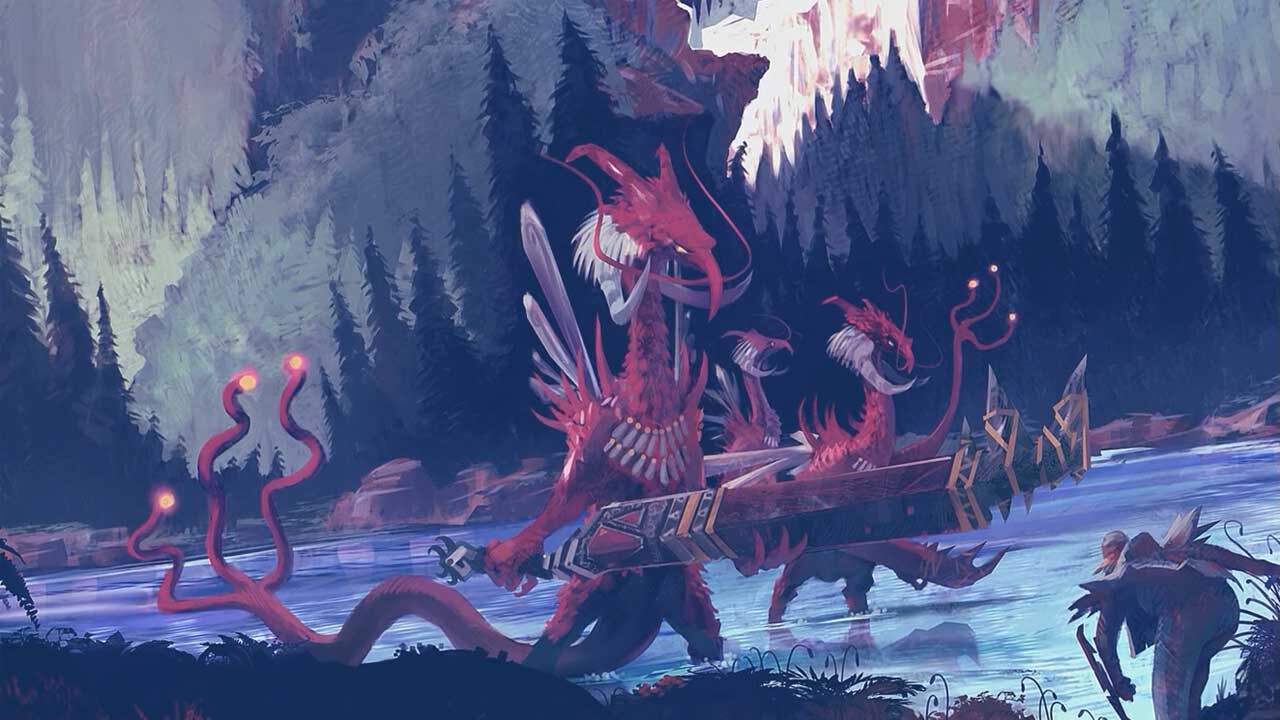
Even so, Hall’s work dazzled the community: the sketches showed never-before-seen creatures, fantastical landscapes, and packs of menacing wolves, all steeped in a darker, more experimental tone. Some fans even suspected that the artist had fabricated the entire project, until a massive leak of internal Nintendo documents a few years later finally confirmed that a Project X did indeed exist in 2008. Those files briefly repeated the core story beats mentioned above and once again listed Retro Studios as the developer in charge.
A Beautiful Idea, But Built On Broken Gameplay
We now know that Nintendo quietly abandoned the game before the early 2010s, but the obvious question remained: why did the company reject a pitch from the creators of Metroid Prime? One developer, who asked to remain anonymous, summed it up bluntly: “We never worked on anything, or even pitched anything, that was similar to Breath of the Wild, Ocarina of Time, or Wind Waker. We never worked on a game of that format. We never worked on anything that could be called ‘a traditional Zelda.’”
Programmer Paul Tozour, however, had no problem going into detail about where things went wrong, and for him the real issue was the core loop: “I compare that gameplay to a Whac-A-Mole, but there were actually fewer decisions.” As he recalls it, four, five, maybe six wolves would lie dormant on the field, then leap at the player one by one. Your task was simply to shake the Wii Remote at the right moment: if the input was detected, the wolf died; if not, you took damage. “That was literally all the game was about,” he explains. “Just detecting when the player shook the Wii Remote. If you don’t have that level of interesting decision-making, you don’t really have gameplay.”
Tozour notes that even the classic Whac-A-Mole offers some strategy – you decide which mole to prioritize, which to ignore, and in what order to hit them – whereas Project X boiled everything down to pure stimulus-response. In his view, it played like an extremely simplified cousin to Link’s Crossbow Training, stripped of any real tactical depth or meaningful choices.
As for how the game finally ended up in a drawer, two different stories circulate. In Tozour’s version, Nintendo’s reaction was basically, “Is this really what you’re proposing? Really?” and the project was shot down on the spot – although he adds that he was not in the room, and admits there is a real possibility that Retro’s leadership quietly decided not to show the prototype to Nintendo at all. The anonymous developer, on the other hand, points to the departure of three key Retro Studios staff members, who left to start their own company, as the real turning point.
Whatever the exact chain of events, Tozour remembers that stretch of time above all for its poor leadership. He describes the situation as “a ship about to crash into an iceberg, but the captains weren’t listening to the crew’s warnings.” In other words, what once looked like it could become a bold new branch of the Zelda multiverse – at least judging by its striking concept art – was in reality a half-baked, mechanically hollow experiment that simply did not deserve to carry the franchise’s name. In hindsight, we were probably lucky that Project X never saw the light of day. Retro Studios, meanwhile, moved on: it brought back the 2D Donkey Kong Country line with two memorable entries and, more recently, delivered Metroid Prime 4 for both Switch and Switch 2.
Source: 3djuegos












Leave a Reply