
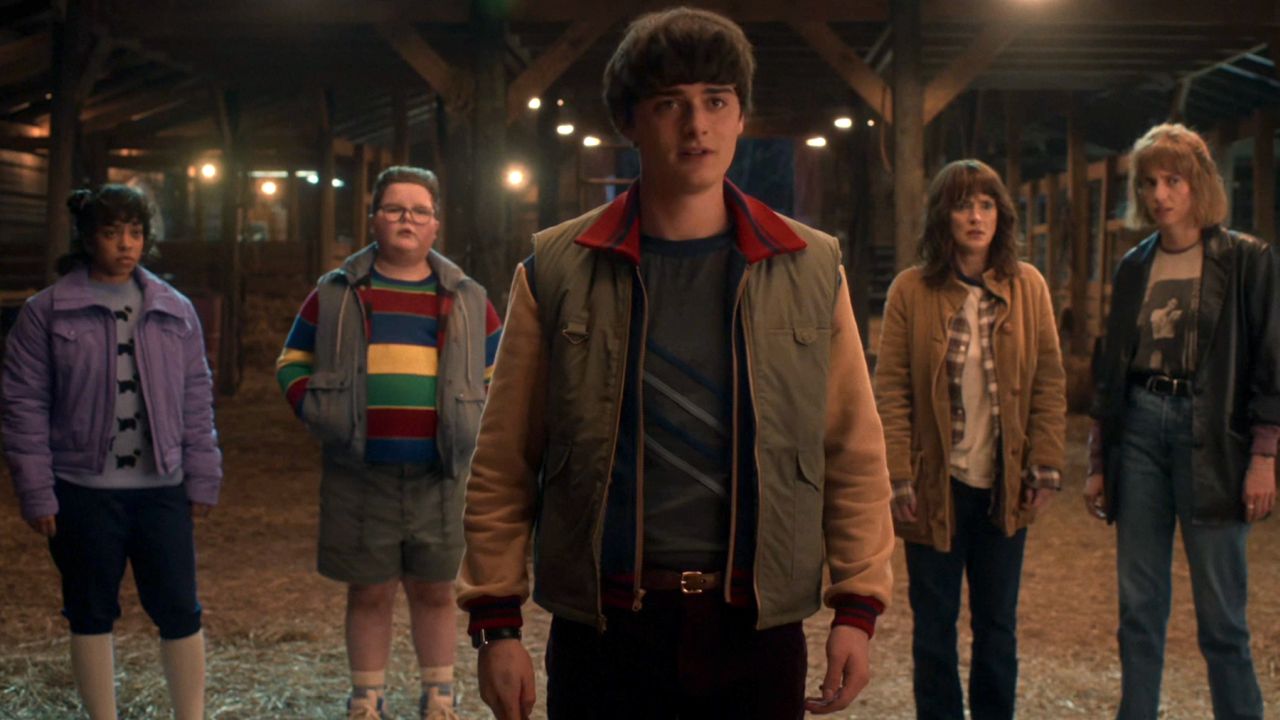
MOZI HÍREK – Viewers think they’ve found an uncomfortable reason behind Stranger Things getting hit with bad reviews: it’s increasingly written to be easy to follow while you’re not really watching. Netflix dropped Season 5 on November 27, and the backlash has been loud, especially about dialogue that explains everything out loud. Fans argue it’s not just weaker writing, it’s a deliberate “casual viewing” strategy.
The long-hyped finale has triggered an unusually sharp wave of criticism. Since Netflix released the fifth season on November 27, many complaints have focused on dialogue that feels overly simple and endlessly explanatory, as if the show is determined to spell out every beat. Unsure why the quality seems to have slipped, fans have been trading theories, and one idea keeps surfacing: the logic of “casual viewing,” content designed to be understandable even when it’s half-ignored.
So what are people actually mocking? Social media has filled up with clips meant to showcase the perceived decline in the writing, scenes where characters constantly state what they’re doing or what they’re feeling. The show is accused of slowing down so it can “offer hyper-detailed explanations of what is happening and what will happen next”, leaving viewers with less room to connect the dots themselves.
On top of that, there’s criticism aimed at technical polish and special effects. Some viewers point to moments like the season premiere, where Will Byers moves through a fully digital environment that produces an uncanny-valley vibe many thought modern TV had already solved. The response is reflected in the numbers too: on Rotten Tomatoes, the season sits at a modest 84%, the lowest score in the franchise’s history.
What changed behind the scenes? Some fans trace the most convincing explanation back to a detailed January 2025 report from N+1 Magazine. According to several screenwriters who worked with the platform, Netflix executives regularly pushed for a specific approach: “characters describe aloud what they are doing, thus allowing viewers watching the series in the background to follow the plot without difficulty.” Netflix reportedly groups this under the “casual viewing” category.
And it’s not limited to Stranger Things. Studies have already suggested Netflix knows a major chunk of its audience watches on mobile screens, often while multitasking. European producers have also described receiving similar notes as far back as 2022, requests for shows that remain understandable without constant visual attention. In practice, that means more descriptive dialogue, content that can be followed even if you’re not looking. Series like Emily in Paris have even been labeled “ambient television” for exactly these traits.
Seen this way, the dip in Stranger Things reads as more than a one-off creative stumble. It points to a bigger shift in how streaming platforms imagine audiovisual storytelling. The open question now is whether Netflix is only shaping certain titles for background viewing, or whether this style is here to stay, and spread.
Stranger Things has been a symbol of many things over the past decade, but perhaps not what its creators intended at the finish line. Instead of ending as the promised cultural event, the show risks becoming an emblem of an industry optimizing for viewers who, paradoxically, barely look at the screen. Ten years on, the iconic Netflix series closes out as a product designed to “work” even when you’re not paying attention.
Source: Xataka















Leave a Reply