
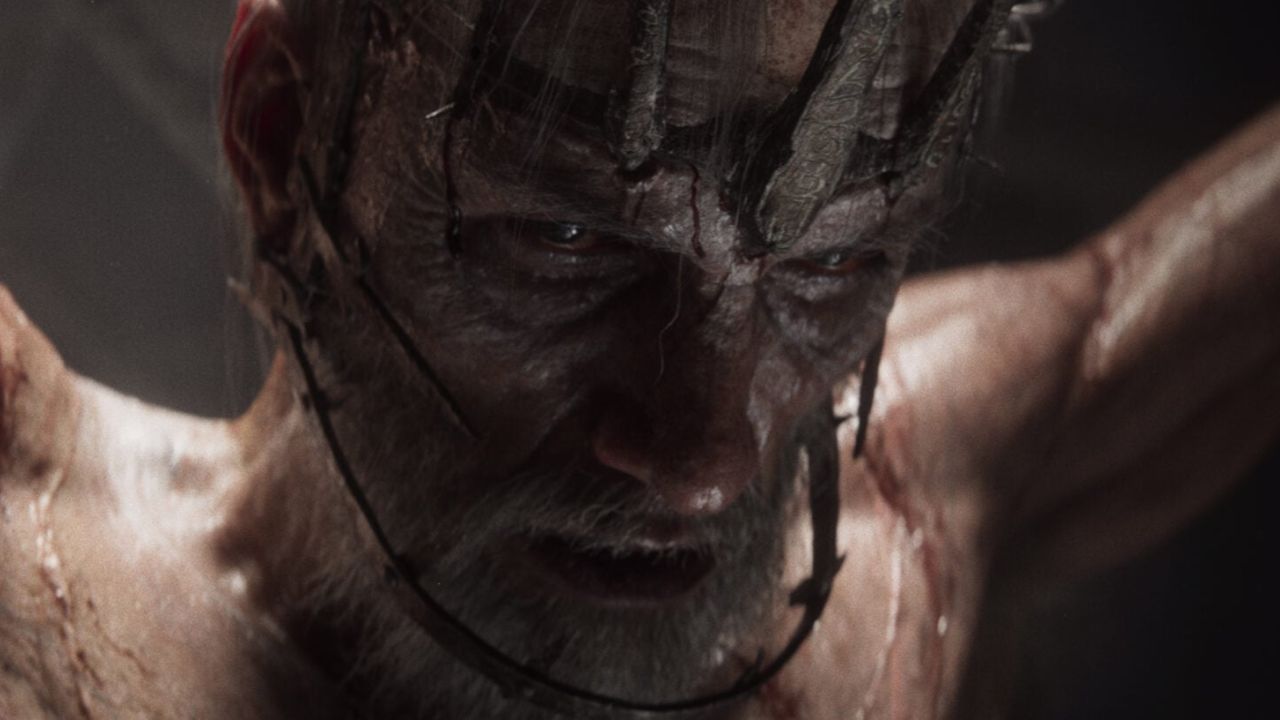
The Belgian studio is building on lessons learned from earlier Divinity titles to strengthen the franchise’s next chapter.
A Bloomberg report on Divinity drew attention by highlighting two key ambitions: further refining the turn-based combat system and delivering a larger, better game in a shorter development cycle than the award-winning Baldur’s Gate 3. Shortly after the article gained traction, however, Larian’s use of artificial intelligence as a development aid sparked backlash, prompting CEO Swen Vincke to issue a clarifying statement.
The studio’s founder, owner, and game director has since spoken in multiple interviews before and after The Game Awards, as well as ahead of the game’s official announcement. In a conversation with IGN, Vincke acknowledged that one of the most significant changes—despite the massive workload it entails—will be a substantial overhaul of world-building compared to earlier entries.
“We learned how valuable it is to have a solid universe behind your game. One of the first decisions we made was to invest a lot of effort into making this universe feel coherent and well-organized. That’s why we’re simply calling it Divinity. There has never been a game titled just Divinity before, as each entry carried different subtitles. This time, it will truly be Divinity, backed by a proper, unified universe. Everything is being built as you would expect, with plenty of surprises so we can expand on it in the future. We learned this from working on Baldur’s Gate, where we spent a lot of time studying various Dungeons & Dragons books. That was one of the biggest takeaways from that development process.
We wanted to clean things up because the early Divinity games weren’t created with much consideration for world-building. It wasn’t until Original Sin 2 that we started thinking more deeply about it, and even then not to the extent we did with Baldur’s Gate 3. Now we’re taking it very seriously, which means a lot of work to make sure it’s done right. The little details matter. What do people do when they go out to eat? What do they do when they go to sleep? All of that has to be defined,” Vincke explained.
While Rivellon certainly has potential, it cannot yet stand alongside iconic fantasy worlds such as The Elder Scrolls, The Witcher, Dragon Age, or the Forgotten Realms of Baldur’s Gate 3. The latter remains the most popular Dungeons & Dragons setting by far and played a major role in BG3’s success. Competing with such richly developed universes requires far greater depth, texture, and backstory.
To achieve this, Larian may need to flesh out the world far beyond the game itself and explore transmedia opportunities. Although Divinity: Original Sin already has an official board game, the setting would benefit greatly from novels that allow fans to connect more deeply with its characters, events, and factions. An animated series could also help, albeit at a much higher cost. Within the game, a Codex-style feature explaining the universe’s concepts, events, and figures would also be a welcome addition.













Leave a Reply