
The creators of Baldur’s Gate 3 have spent years refining a very specific strategy to promote their games. Larian Studios’ trailers are not merely striking on a visual level, but deliberately aim to provoke sensory, almost physical reactions that few studios in the video game industry attempt.
The team behind Baldur’s Gate 3 did not arrive at this approach overnight. For years now, Larian Studios has been producing trailers with a highly distinctive cinematic language, one that only a handful of developers are willing or able to embrace. These videos do more than communicate information: they actively shape how the viewer perceives the world being presented. A few days ago, during The Game Awards 2025, the Belgian studio unveiled its latest project, a new Divinity game introduced plainly as the definitive version of its long-standing fantasy universe.
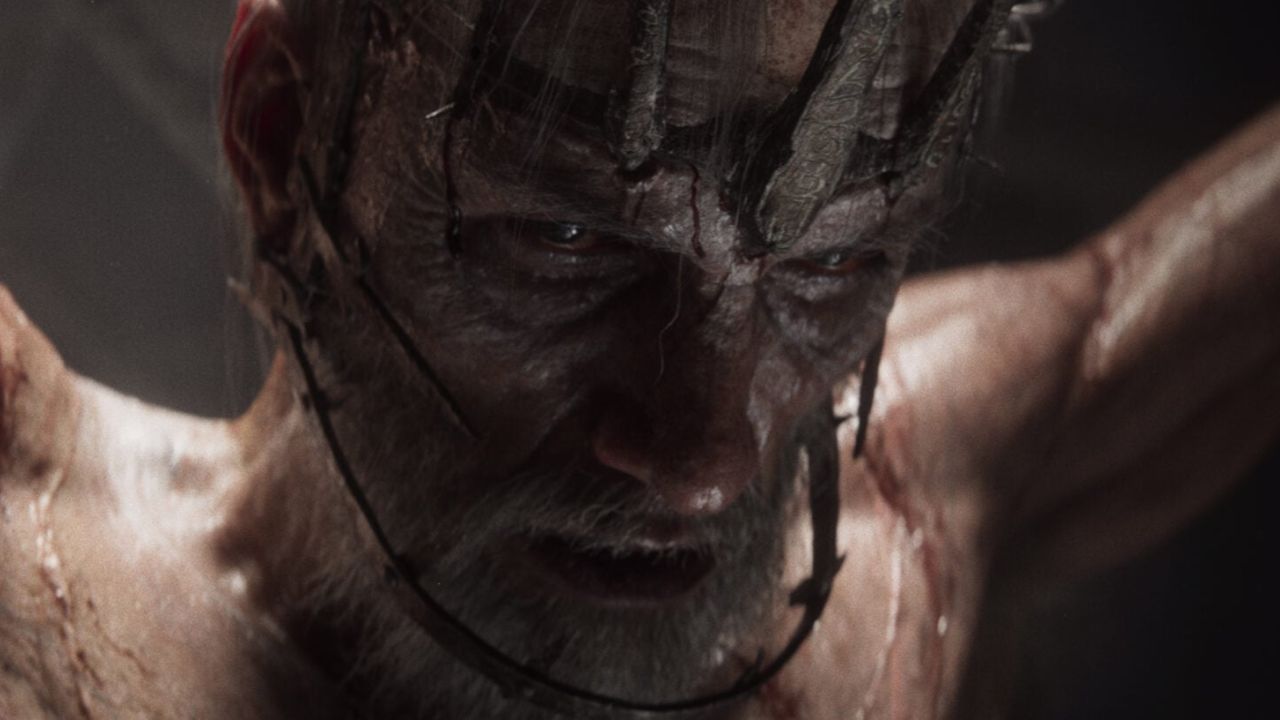
The accompanying CGI trailer was deliberately grotesque, depicting in graphic detail the burning of a wicker effigy as part of a folkloric celebration that ultimately ends in disaster for both the victim and the spectators. It is a powerful sequence, the kind of imagery that refuses to fade once the video ends. Long after watching it, you find yourself returning to those images, with the strong sense that this project will remain lodged in the collective memory for years to come.
Larian clearly understands the value of visceral emotion as a marketing tool. If you are reading this, you are likely accustomed to seeing new trailers released every single week. This approach is not new to major conventions, nor is it unfamiliar territory for the team led by Swen Vincke. Yet it is precisely Larian’s consistency in applying this philosophy that makes it worth examining more closely.
A Sensory Approach to Trailers
Put another way, Larian has learned how to create trailers that stimulate perception itself. The principle is similar to cinema’s ability to make us physically feel the temperature of a scene, whether through sweat running down a character’s face or objects reacting to wind and rain. Food advertising aims for the same effect when it shows strands of cheese stretching from a slice of pizza or milk melting into chocolate to sell an ice cream brand. The objective is not realism, but sensation.
This task is arguably more difficult in fantasy. None of us have any real, physical understanding of magic or divine light, which makes emotional identification harder. Yet the Divinity trailer succeeds in transporting us to the impossible world of Rivellon by grounding it in crude, earthly imagery. Drunken vomit mixes with mud as pigs devour it at their feet, while a grotesque orgy involving a spiked lizard unfolds nearby. These scenes are repellent, but they are immediately intelligible because they rely on sensations we all recognize.
This is also why the trailer lingers on moments of physical destruction, such as extended shots of sacrificial skin melting on the pyre. Simply materializing a world on screen is not enough. Larian wants the viewer to feel as though they are touching it with their eyes. We may not understand magic, but we do understand pain, and we instinctively recognize that something is deeply wrong when flesh ruptures or burning blood spills from a wound.
A Technique Refined Over Time
Although this discussion centers on Divinity, what truly prompted it is the realization that Larian has been mastering this technique for quite some time. The announcement trailer for Baldur’s Gate 3 followed the same logic, presenting a fully CGI sequence devoted to a soldier’s transformation into an Illithid. Teeth and hair fall out, bone structures deform in real time, and an alien presence pulses beneath the surface of the skull.
The scene is unsettling, but it is not gratuitous. This is not gore deployed purely for shock value. It serves a clear narrative purpose, illustrating the very real threat posed by the game’s antagonist and how directly it affects the protagonist. The use of CGI was essential, as achieving the same result within the game engine would have been far more difficult at the time. This trailer was released six years ago, when Larian was far less widely known.
A Long Road to the Mainstream
It is important to clarify that the studio was already held in high regard by those familiar with its work. Larian had built a strong track record in the demanding CRPG genre, and the Divinity: Original Sin games were made possible through successful Kickstarter campaigns backed by a dedicated community. The second installment was so well received that it stood shoulder to shoulder with some of the most popular releases of the 2016–2017 period, including The Legend of Zelda: Breath of the Wild.
Even so, Baldur’s Gate 3 was never an easy sell. For a long time, it remained a game for enthusiasts, almost invisible to players who only engage with a handful of high-profile titles each year. Its broader recognition arguably began with a very different kind of trailer: the now-famous scene involving a romance with Halsin and a terrified squirrel in the background.
This was pure humor, with a distinctive tone and undeniable charm that audiences immediately embraced. Even if it was not entirely intentional, it worked exceptionally well during early access, to the point that the developers themselves began to joke about it. The absurd idea of sleeping with a bear resonated in a surprisingly tangible, down-to-earth way. It was not an inspiring moment, but it was deeply relatable, and it highlights exactly what Larian has learned to do so effectively.
Forrás: 3djuegos













Leave a Reply