
MOVIE NEWS – For decades, a single musical cue was enough to make millions hesitate before swimming in the ocean. Steven Spielberg’s classic was not pure fiction: it was rooted in a shocking tragedy that unfolded in 1916.
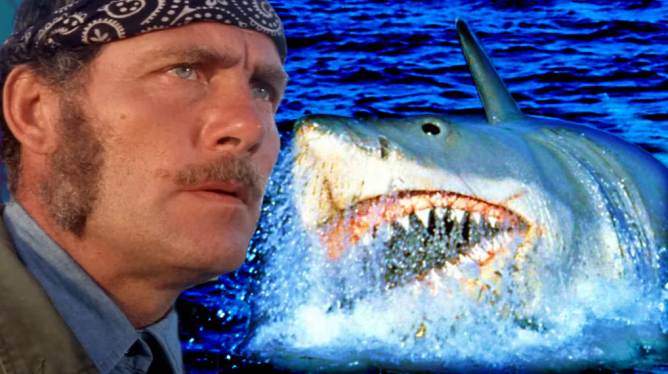
In 1975, Steven Spielberg reshaped how audiences viewed the sea forever. Jaws was more than a creature feature; it portrayed a near-mythical threat, an omnipresent predator capable of striking anywhere. Its cultural impact remains enormous, yet its origins lie disturbingly close to reality.
During the summer of 1916, the coast of New Jersey was shaken by a series of real shark attacks. Between July 1 and July 12, five people were attacked, with only one survivor. Newspapers at the time described it as one of the most unusual sequences of shark attacks in American history.
The first victim was 23-year-old Charles Epting Vansant, bitten while swimming near Beach Haven. He later died from blood loss at a nearby hotel. Days later, Charles Bruder was killed in a far more brutal attack offshore, so violent that several witnesses reportedly fainted.
The attacks then moved inland to the Matawan River, an extremely rare scenario. Eleven-year-old Lester Stillwell was killed, followed by Watson Stanley Fisher, who rushed in to help. Fourteen-year-old Joseph Dunn survived but lost a leg, becoming the sole survivor of the series.
For years, it was believed that a single shark was responsible. A 2002 investigation suggested otherwise: while a great white shark may have carried out the ocean attacks, those in the river were more likely the work of a bull shark. Regardless, the panic that followed left a lasting mark on American society and directly influenced both Jaws and the novel that inspired it.
Source: 3djuegos















Leave a Reply