
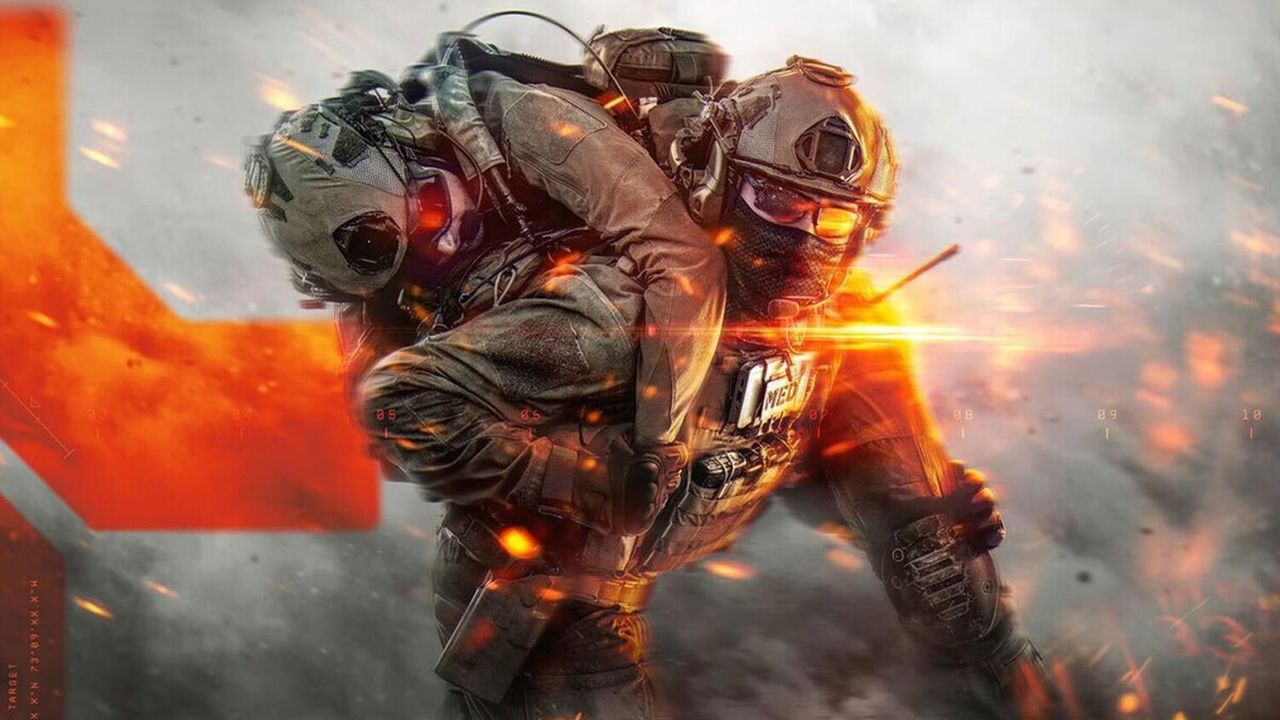
With declining player numbers, DICE (also known as Battlefield Studios) and Electronic Arts must take action quickly.
The release of Battlefield 6 was the most commercially successful in the franchise’s history. According to official data, seven million copies of the game were sold in the first five days. This broke Steam’s record for concurrent users and made it one of the most popular games on current-generation Sony and Microsoft consoles. However, this was only the first step in Electronic Arts‘ plan. The goal was not only to reach the top but also to stay there, and that is where difficulties may arise.
The number of Battlefield 6 players has steadily declined since the game’s release. According to SteamDB, the game reached nearly 750,000 concurrent users on the day of its release, but two and a half months later that number had dropped to around 120,000. This trend is not limited to PC. According to Circana analyst Mat Piscatella, a similar decline has occurred on consoles. The game initially ranked third in active users on both PlayStation 5 and Xbox Series platforms in the U.S. market, but it has now fallen to seventh place, behind titles such as NBA 2K26.
The goal of Battlefield 6 is long-term sustainability. While the current figures are not poor, they raise questions about where the game will stand in a few months. Electronic Arts has set highly ambitious goals for the title. As a live service game, success depends not on a strong launch, but on consistent long-term performance.
When Arc Raiders launched, it had only a fraction of Battlefield 6‘s player base, yet today it boasts nearly 3.5 times more daily concurrent users. The shooter from Embark Studios now has more players than it did at launch. A similar trend can be observed with Delta Force, which was initially dismissed as a Chinese copy of the DICE franchise. Released a year ago, it reached its peak player numbers just three months ago and now also exceeds its launch figures.
The core issue is that Battlefield 6‘s update roadmap has failed to resonate. This is evident from community feedback, which celebrates the franchise’s return but also demands changes to maps and additional new content. The number of copies sold proves that there is interest in what updates could bring. Moreover, with such a large installed player base, the developer’s constraints are almost the same as if the game were free to play. The challenge lies in convincing players to return.
The second season, arriving early in the year, could provide a solution. It may be the moment when developers directly address community concerns. It is also an ideal opportunity to rethink how Portal is used and what its future potential could be. So far, the developers have failed to communicate how compelling this feature can be. With Call of Duty: Black Ops 7 leaving room in the market, the franchise cannot afford to miss this opportunity that has been more than a decade in the making.
Source: SteamDB










![However, an anonymous GOG employee paints an even darker tone of the internal situation: „We were told it’s a financial decision. GOG’s revenue couldn’t keep up with growth, the fact that we’re dangerously close to being in the red has come up in the past few months, and the market’s move towards higher [developer] revenue shares have, or will, affect the bottom line as well.](https://thegeek.games/wp-content/uploads/2019/02/the-gog-1-302x180.jpg)



Leave a Reply