
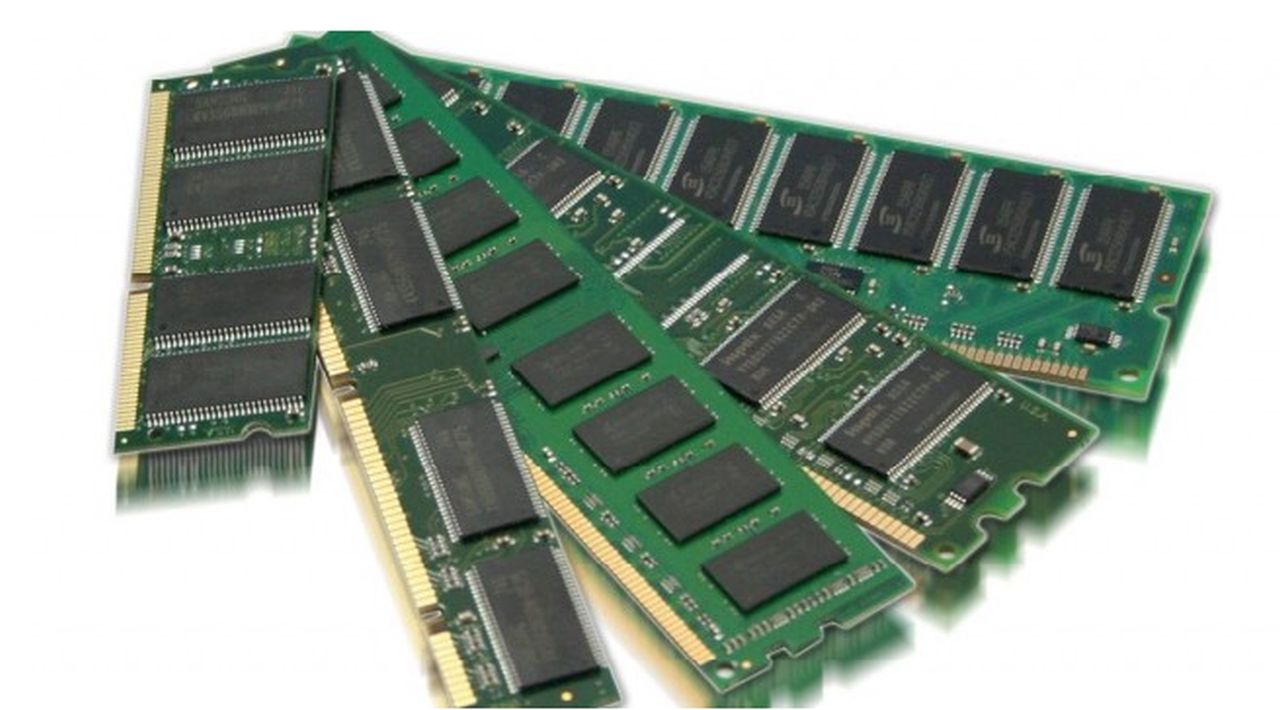
TECH NEWS – DRAM contract prices will rise significantly in the first quarter, which is hard to fathom.
According to DRAMeXchange, based on developments in the AI industry, DRAM contract prices could rise by as much as 50% in the first quarter of 2026. This huge increase is expected to disrupt the PC supply chain. It strengthens the pricing power of suppliers while worsening the cost structure of PC manufacturers who depend on module manufacturers. The increase in DRAM prices is expected to hinder future sales momentum and increase the likelihood of further inventory declines.
Manufacturers are rushing to sign long-term agreements (LTAs) with memory manufacturers because fluctuating contract prices force them to purchase inventory at higher prices. Mainstream PC manufacturers reportedly have only a few weeks’ worth of DRAM inventory left. With the CES announcements kicking off an upgrade cycle, manufacturers are looking to sign LTAs for the entire year. However, since it is a seller’s market, PC manufacturers are expected to pay significant sums to ensure they can meet consumer demand.
[DRAMeXchange: Dec. PC DRAM Contract Price Announcement & Industry Trends]
– PC DRAM contract prices in 4Q25 rose by 38–43% QoQ, a sharp increase compared to the 8–13% rise observed in 3Q25. Furthermore, the upward price trend was confirmed to be ongoing during December contract…
— Jukan (@jukan05)
January 1, 2026
Suppliers such as SK Hynix and Samsung are primarily focused on profitability, which is more important. Therefore, in addition to serving the AI segment, these suppliers are carefully evaluating their PC industry customers, which is one reason why mainstream OEMs are expected to benefit from the situation. Companies such as Lenovo and Dell are preparing for the significant price increases expected this quarter, which will likely be reflected in their upcoming products.
The memory shortage is not expected to ease anytime soon. With the rapid expansion of data centers, DRAM suppliers are struggling to meet demand. Consequently, consumers can anticipate significant price hikes for DDR5 and DDR4 memory, even following the recent historic price surge. Older laptops with more available RAM will become much more of a value, while new models will often only have 8 or 16 GB.
Source: WCCFTech












Leave a Reply