
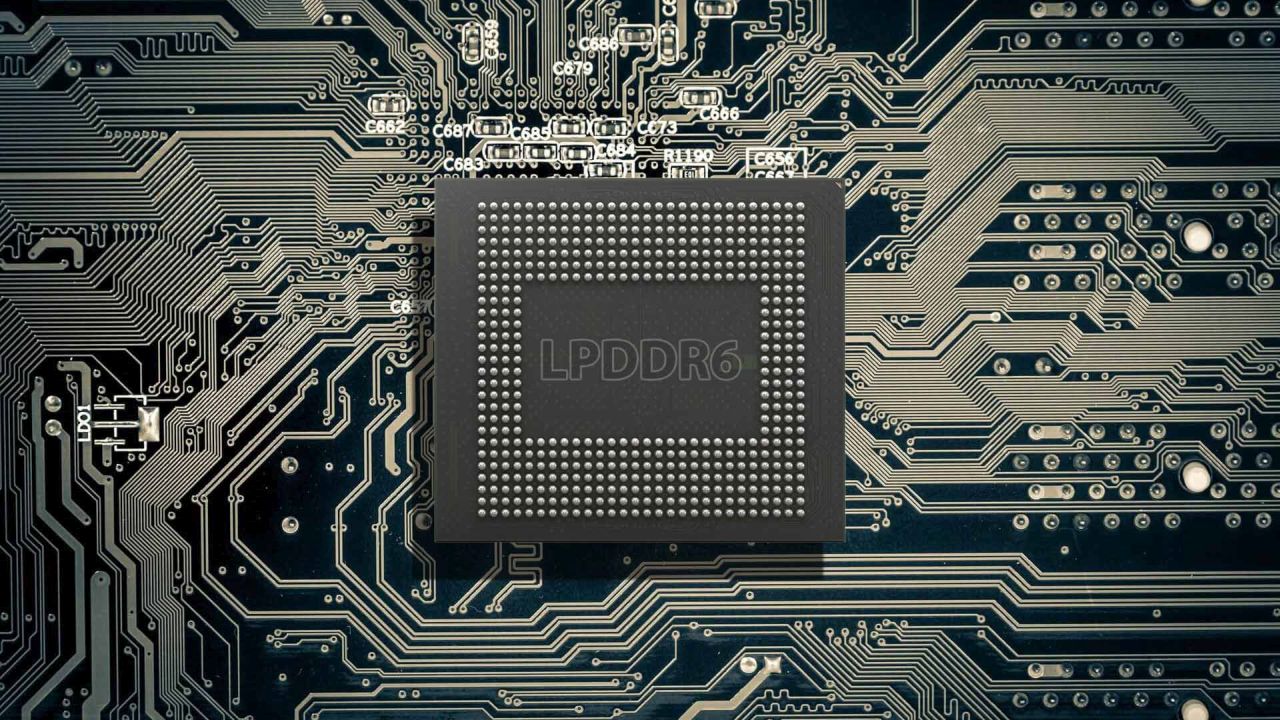
TECH NEWS – According to a leak, the new generation is around 20% more expensive than LPDDR5X, with volume also playing a key role.
Manufacturers such as Samsung have reportedly accelerated the development of LPDDR6 RAM during the first half of 2025 in order to gain an edge over competitors. However, due to the current memory market situation, the technology is expected to appear only in high-end hardware.
Apple is said to be sticking with LPDDR5X RAM for the upcoming iPhone 18 lineup this fall, although the memory is rumored to use a faster six-channel configuration to increase bandwidth. This leaves Android smartphone makers as the primary adopters of LPDDR6 RAM, but the transition is expected to be costly, as the chips are reportedly about 20% more expensive than LPDDR5X.
Smart Chip Insider did not disclose exact figures, but noted that smartphones equipped with LPDDR6 RAM will be available exclusively in 16 GB configurations. This is likely because manufacturers want to avoid dealing with multiple memory options and the associated additional costs.
Apple is reportedly avoiding the new standard because it typically adopts emerging technologies only once they have matured, preferring current-generation solutions that can be sourced in larger volumes at lower prices. Even so, Apple is facing challenges of its own, as an earlier rumor suggests the company could be paying a $230 premium for each 12 GB LPDDR5X RAM chip used in the iPhone 17 series.
On the Android side, LPDDR6 memory is expected to be limited to devices powered by the Snapdragon 8 Elite Gen 6 Pro or the Dimensity 9600. Rising DRAM prices and the high cost of TSMC’s 2 nm silicon wafers are driving prices upward across the board. Qualcomm’s upcoming flagship SoC is also expected to be significantly more expensive, which could result in the standard Snapdragon 8 Elite Gen 6 being more widely adopted in premium devices that remain limited to LPDDR5X.
It is also possible that manufacturers launching Snapdragon 8 Elite Gen 6 Pro and Dimensity 9600 flagships are prioritizing higher profit margins, opting to save on component costs by sticking with LPDDR5X rather than moving to LPDDR6.
Smartphone RAM pricing is shaping up to be a major talking point in the coming year, and TSMC’s costly 2 nm wafers are unlikely to ease the burden—especially for consumers looking to buy a flagship device in 2026.













Leave a Reply