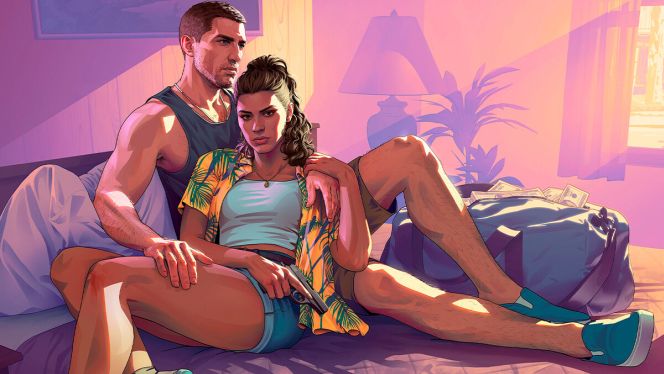
A notorious UK tabloid headline from March 1986 – built on a story that was completely fabricated – helped popularize a publicity playbook that later boosted the first Grand Theft Auto into the spotlight. According to 3DJuegos, that chain of events fed directly into the rise of Rockstar Games, and it’s part of a strange butterfly effect that still echoes today as Grand Theft Auto VI becomes one of the most anticipated releases of 2026.
The origin story begins with The Sun splashing a scandalous line across its front page: “Freddie Starr ate my hamster”. The claim was that Freddie Starr, a comedian and singer whose popularity was fading by the mid-80s, showed up at a friend’s house after a gig, demanded food, and – after being refused – put the family pet between two slices of bread and started eating it like it was normal. The article notes that the tale was false, and those involved denied it, but the damage and the attention were already done.
3DJuegos links the stunt to Max Clifford, a notorious publicist with deep ties to both the music industry and the tabloid ecosystem. The logic was blunt: Starr needed to be talked about again, and outrage would do the job. The backlash did not bury him – it amplified him. The piece claims tickets sold fast, and Clifford’s reputation only grew as he proved how far a scandal could travel and how quickly it could translate into public interest.
The Bad Press Move That Later Gave GTA a Lifeline
A decade later, that same publicity logic reportedly resurfaced in games. 3DJuegos describes how BMG Interactive, struggling in the record business, started looking toward videogames and partnered with DMA Design on the original Grand Theft Auto. The timing was rough: violent games were already drawing public and political scrutiny, and early testing suggested GTA was not exactly the most technically impressive or immediately appealing product in a market that was moving rapidly toward flashy 3D hits.
That is where Max Clifford comes back into the story. The article says BMG Interactive brought him in and gave him broad freedom to rescue the investment, and he chose a counterintuitive strategy: instead of pushing upbeat talking points, newspapers were fed warnings about a vile “criminal training tool” that taught players how to use weapons, steal cars, run down pedestrians, and fight police. The bait worked. Without spending heavily on traditional advertising, Grand Theft Auto started showing up everywhere – in print, on radio, and on TV – and the controversy even reached political debate about banning it.
Faced with the threat of removal from shelves, the article claims people rushed to buy the game before it could disappear. Those sales, in this telling, did more than save the release: they helped fund the creation of Rockstar Games and set a tone that would become part of GTA’s long-term identity. Put together, 3DJuegos frames the absurd hamster headline as the first link in a chain that still matters today, because without that sequence, the franchise might have faded before it ever became big enough to make Grand Theft Auto VI possible.
Source: 3DJuegos