
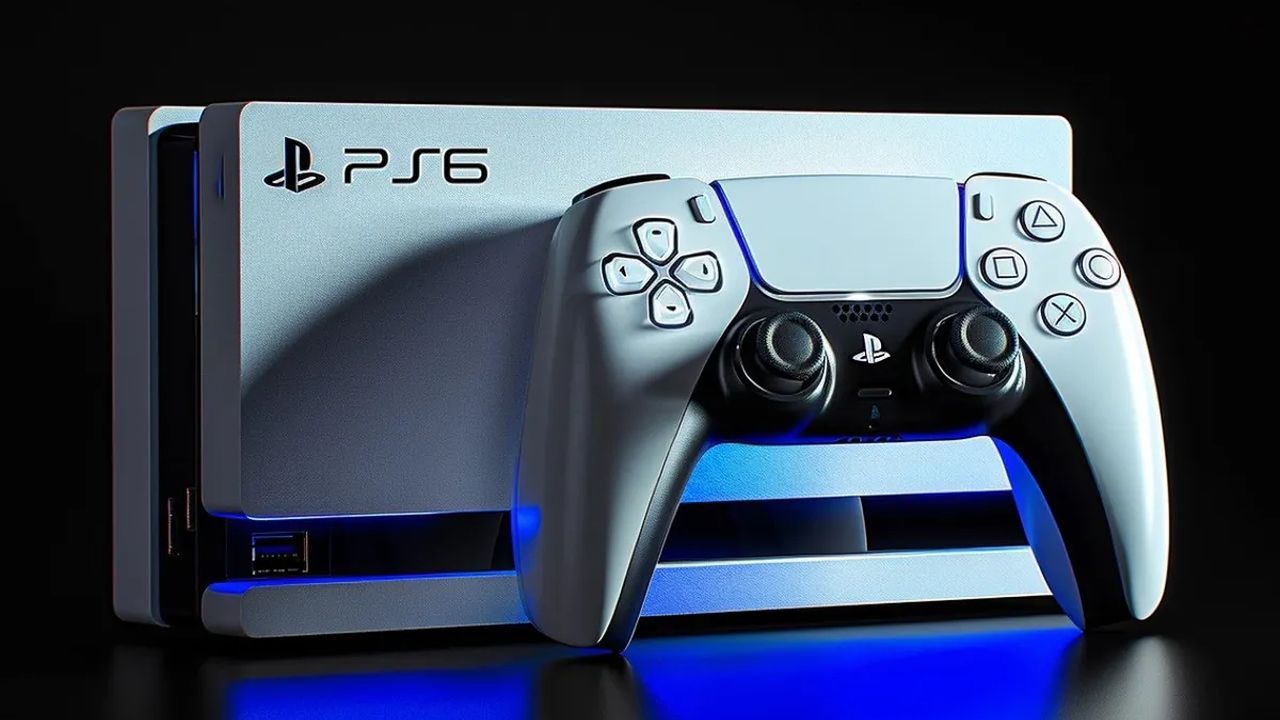
A global RAM crunch is forcing tech companies to adjust, and the pressure may now be reaching Sony’s long-term console plans. The core idea is that shortages and price spikes in memory could push PlayStation 6 toward the end of the decade, with 2029 appearing as a worst-case outcome.
The memory squeeze has become unusually disruptive because it is not limited to one manufacturer or one product category – it is an industry-wide bottleneck. Some companies have scaled back parts of their traditional operations, while others have reshaped launch plans outright. One example is Valve, which reorganized the 2026 rollout of Steam Machine to adapt to this new environment.
The choke point is DRAM, the dynamic memory that sits under almost all modern technology. The shortage has intensified as AI data centers expand, creating massive demand: players such as Alphabet, Amazon, Microsoft, and OpenAI are buying huge volumes of chips to feed AI accelerators, dramatically tightening supply for other manufacturers. The immediate result has been a sharp jump in RAM pricing – some DRAM categories reportedly rose by as much as 75% between December and January, hitting businesses and consumers at the same time.
In the Bloomberg-framed picture, major tech groups are attempting to lock down memory allocations so planned inventory does not collapse, and that kind of pressure can reshape console roadmaps as well. Sliding PlayStation 6 into 2028 or 2029 would break Sony’s usual pattern of launching a new console roughly seven to eight years after the previous one, and it would ripple through developer agreements, marketing, and user-retention strategy tied to generational timing. This is not only a Sony issue: other companies, including Nintendo, are also revisiting pricing and strategy as memory manufacturing costs rise, while RAM inflation carries knock-on effects beyond consoles. In low- and mid-range smartphones, RAM could account for up to 30% of component costs, effectively tripling the impact compared to previous years.
That sets up a blunt trade-off: keep the schedule and accept higher costs plus a greater risk of production delays, or wait for the market to stabilize in exchange for a more consistent user experience and more sustainable margins. The problem is that current analysis treats DRAM scarcity and pricing pressure as structural rather than temporary – the supply-demand imbalance could persist throughout 2026 and stretch toward the end of the decade as AI investment continues to climb.
Why PS5 Supply Still Matters Through 2026
The current generation is part of the same equation. PlayStation 5 and Xbox Series X|S are past the midpoint of their lifecycle, and PlayStation does not want its existing hardware supply to falter, especially in 2026 with major releases such as GTA 6 expected on the calendar. In the company’s financial context for the last quarter of 2025, CFO Lin Tao confirmed Sony has opened talks with suppliers to secure the minimum memory allocation needed to keep PlayStation 5 production and sales stable through the end of this year’s holiday period.
Source: 3DJuegos













Leave a Reply