
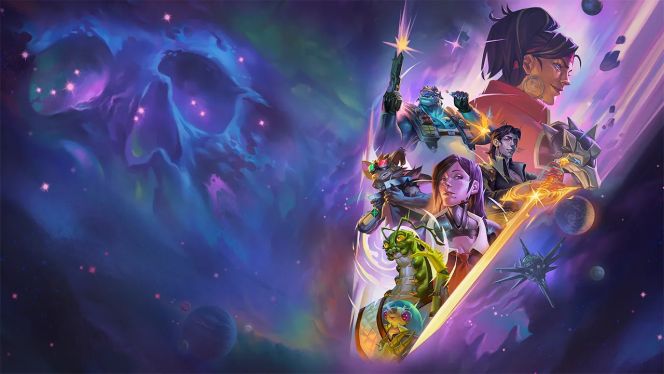
At first glance, many players will probably dismiss Starfinder: Afterlight as little more than Dungeons & Dragons with starships and laser rifles, but Epictellers Entertainment’s upcoming RPG is aiming for something far more substantial. With a short beta alone, the Barcelona-based studio has already shown that a proper video game adaptation of Starfinder 2E can offer real depth: tactical combat, memorable companions, meaningful choices, and a sci-fi setting that pulls you in far more easily than you might expect.
It is hard to resist a good galactic adventure. Stepping into the boots of a spacefaring traveler, meeting alien species, discovering strange technologies, and getting tangled up in the affairs of civilizations far larger than yourself is the kind of promise that instantly speaks to science-fiction fans. That is exactly the fantasy Epictellers Entertainment is chasing with Starfinder: Afterlight, a tactical RPG built around epic space opera, charismatic party members, branching storytelling, faction politics, and a mystery that clearly wants to grow into something bigger than a single personal tale. In many ways, it also feels like the first truly serious video game gateway into the Starfinder universe for players who have only known Paizo’s sci-fi setting from the sidelines.
The studio, founded in Barcelona in 2023, teamed up with Paizo to finally bring that universe into video game form. The current plan is to launch the project in early access sometime in 2026 and keep refining its RPG systems with community feedback, but before that, the developers have prepared a beta that gives one thousand players the chance to test a small slice of the experience. This 30-45 minute build obviously does not represent the full game, but it already feels like more than a superficial proof of concept. Anyone familiar with tabletop RPGs, especially the more tactical and mechanically rich ones, can already see that the foundations are being laid with genuine care.
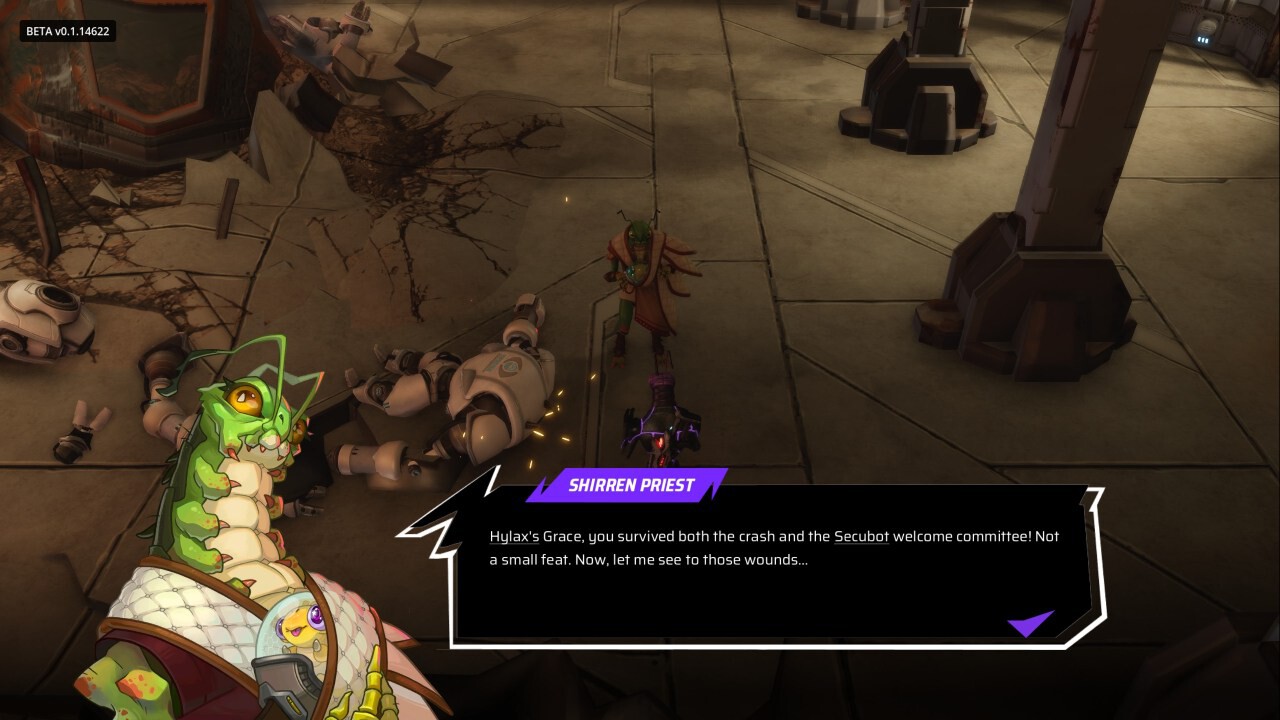
The beta begins with one of the most important choices in any role-playing game: picking your character. There is no full character creator yet, since that will arrive with the early access release, but players can already choose between three distinct archetypes. There is a Human Soldier built around toughness, a Vesk Emissary whose reptilian nature comes with high Charisma and Strength, and a Shirren Operative focused on Dexterity. Even that small selection makes it clear that Epictellers Entertainment understands the tabletop roots of the license: species, stats, and class identity are not cosmetic flourishes here, but core structural pieces of the experience.
Space Opera With Alien Species and Proper Party Chemistry
You also do not enter this adventure alone. The beta gives you two companions: a Shirren Mystic who can cast spells and heal, and a Human Solarian, one of the more striking classes in the Starfinder setting because it manipulates photons and gravitons to forge weapons and armor out of light or darkness. And that is only a small preview of what the full game intends to offer. According to the developers, the final version will feature six companions in total, ranging from android assassins to mystical prophets, each with their own personal history, moral dilemmas, and relationship arcs shaped by triumph, failure, and the choices you make along the way.
That matters because the studio clearly understands what makes Starfinder appealing in the first place. It is not enough to simply translate a complicated ruleset onto a screen. You also need that sweeping sense of space-opera grandeur, the feeling that a small personal problem can slowly expand into a conflict with consequences for entire worlds. The beta only brushes lightly against the game’s central plot, but even its introduction follows that familiar and effective narrative pattern: your character is caught in a mystery, tries to piece together what happened, and gradually becomes entangled in something that may shape the fate of the Pact Worlds.
The universe itself is strong enough to support that ambition. The setting includes insectoid beings who escaped from a sinister hive mind, reptilian species living under uneasy truces, multi-armed traditionalist cultures, and other humanoid civilizations defined by their own histories, ambitions, and old customs. Behind all of that lies a galaxy full of stellar conflicts, surprising alliances, technological change, and cults devoted to both ancient and newly risen gods. Taken together, it already feels richer than the lazy “fantasy ruleset in space” label might suggest.
The Three-Action System Finally Gets a Sci-Fi Battlefield
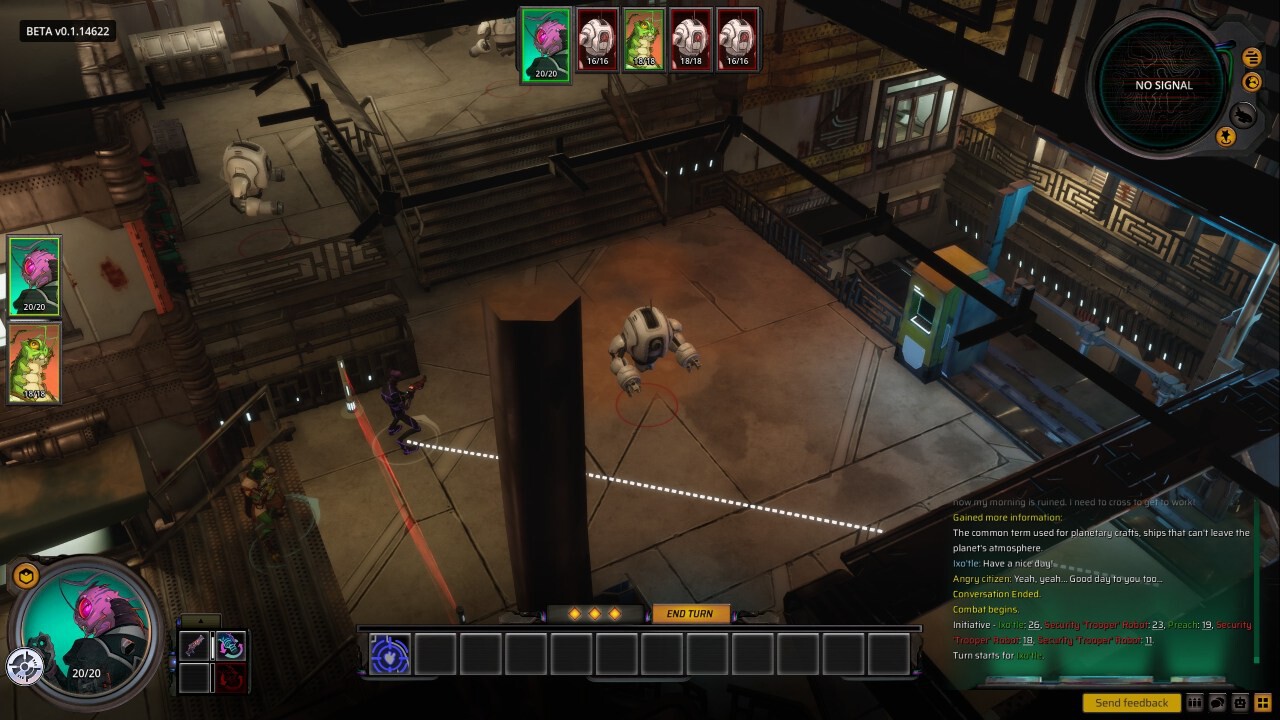
From a gameplay perspective, the most important question is how faithfully and effectively Epictellers Entertainment can translate Starfinder 2E into a digital tactical RPG. The team is building directly on Paizo’s second edition ruleset released in 2025, which immediately places the game within a specific CRPG lineage. For players unfamiliar with tabletop role-playing, the closest comparison may be Pathfinder: Kingmaker or Pathfinder: Wrath of the Righteous, but the systems are not identical. The sci-fi framework alone changes the tone and rhythm of the experience, while Starfinder 2E also introduces somewhat simplified mechanics, streamlined character creation shortcuts, and balance-oriented adjustments.
Combat revolves around the now-signature three-action economy. In practical terms, every ally and enemy can spend three actions per round unless a modifier changes that number. Some abilities consume only one action, others require two or more, and certain options demand setup before they become useful, so success comes from understanding what each party member can actually do and how to chain those tools together efficiently. It is a clean system on the surface, but one that opens up a satisfying layer of tactical tension, because every turn becomes a real calculation of movement, attacks, positioning, abilities, and risk.
Classic dice rolls are also part of the package, as they should be. They do not just determine combat outcomes such as damage or attack success, but also drive attribute checks tied to persuasion, hacking, stealth, and other situations outside battle. That is one of the purest tabletop inheritances in the game, and it adds genuine suspense to moments where you are never quite sure whether your party can clear the obstacle in front of it. At the same time, luck is only part of the equation. Character stats, modifiers, and party synergies have a major impact on those results. The beta does not throw especially brutal encounters at the player yet, but it already hints that poor attribute choices will be punished hard, which suggests that both the early access build and the final release may lean much more heavily into the system’s tactical complexity.
Meaningful Decisions and a Very Promising Future
In broad terms, the beta does exactly what an early version should do. It introduces the core RPG systems, offers a first look at Paizo’s science-fiction setting, and plants a mystery that feels capable of pulling players forward immediately. Combat is not flawless yet – movement and target selection still feel a little rough around the edges – but those issues currently look more like polish problems than design failures.
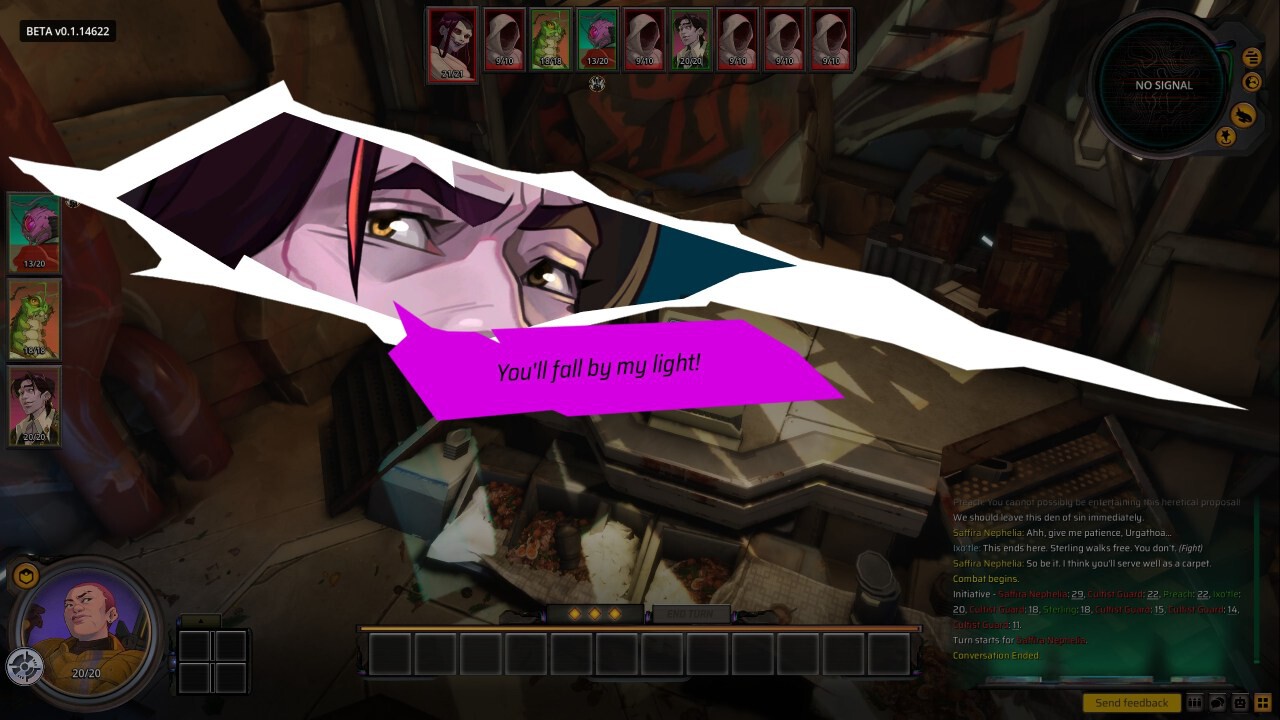
More importantly, Starfinder: Afterlight already suggests that player choice will matter in ways that go beyond superficial role-playing flavor. Even in this short slice, dialogue options allow you to shape your protagonist into a righteous spacefaring hero or a shameless opportunist, and the game already gives the sense that companions are paying attention. They are not just there to fill out combat roles. They react, judge, and help define the moral tone of the adventure. In the full version, the developers are aiming for a campaign lasting 40 to 60 hours, not counting player-created content made possible by mod support and community tools, with high-stakes choices involving mercy, revenge, faction memory, and companions who respond to your behavior. If that structure comes together, the result could be a branching story with genuinely different outcomes for different players.
What also deserves to be said clearly is that Starfinder: Afterlight is not trying to become a spacefaring Baldur’s Gate 3. Epictellers Entertainment is not building a gigantic cinematic AAA blockbuster, and it does not need to. The real goal seems to be far smarter than that: properly adapting the dense tactical systems of Starfinder 2E while capturing the tone, scale, and narrative pull of the setting itself. Even the voice work points to that ambition. Neil Newbon, best known as Astarion in Baldur’s Gate 3, is involved both as one of the companions and as voice director, while Roger Clark, the voice of Arthur Morgan, serves as narrator.
So yes, this first look still has some visible edges to smooth out, but Epictellers Entertainment has started its galactic journey on solid footing. And if the RPG truly manages to win over both science-fiction fans and tabletop diehards, it may also encourage Paizo to approve more video game projects based on its role-playing licenses. That alone would make Starfinder: Afterlight worth watching closely. For now, at least, it already feels like more than just a curiosity – it feels like the start of something with real gravitational pull.
Source: 3DJuegos










![[TGA 2025] Tomb Raider: Legacy of Atlantis: Another Remake of the First Game! [VIDEO]](https://thegeek.games/wp-content/uploads/2025/12/theGeek-Tomb-Raider-Catalyst-Legacy-of-Atlantis-Remake-Crystal-Dynamics-300x365.jpg)

Leave a Reply