
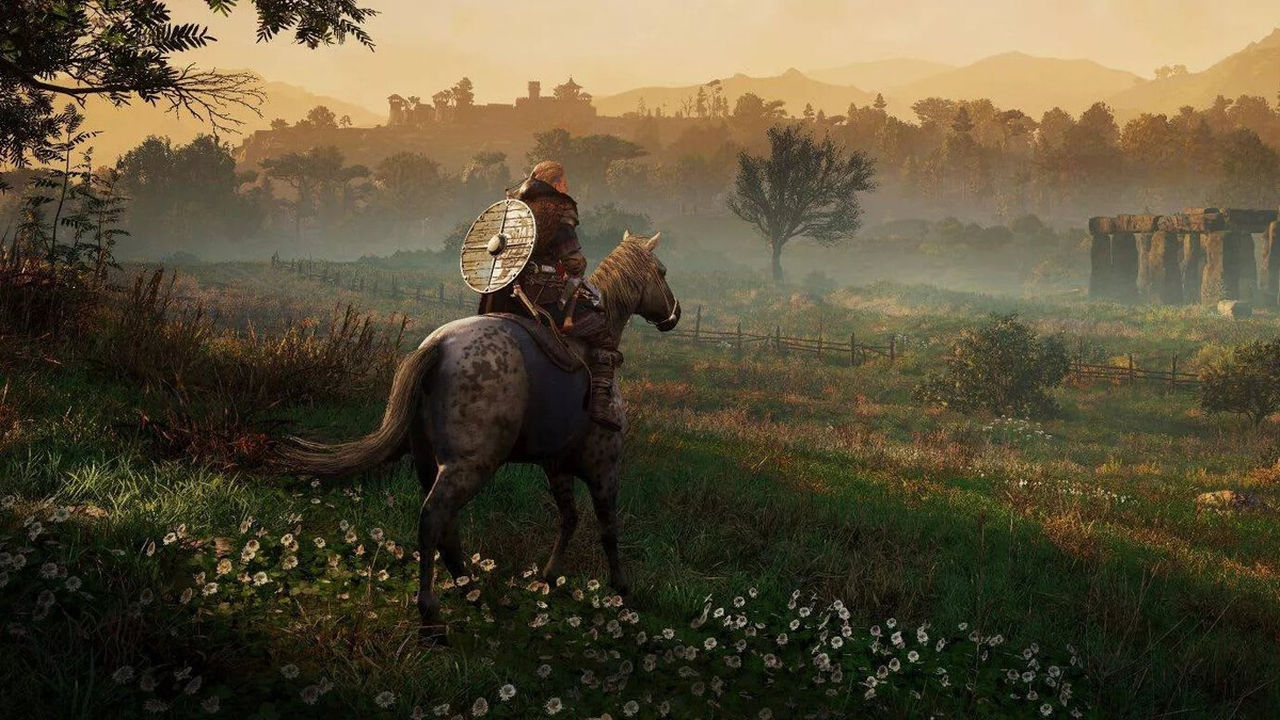
What used to count as a massive technological flex two decades ago has now become such a common industry habit that many players are simply tired of it. Open-world games keep flooding the market, but sheer size means less and less when it is not backed by memorable design, strong content, and a world that actually holds attention. According to two independent developers, audiences are increasingly gravitating toward smaller games that feel more focused, more complete, and far more rewarding.
What used to be massive, ambitious projects twenty years ago, built to push hardware to its limits, has now become standard practice across the industry. Open worlds are arriving by the dozen every year, and even franchises that began in more linear, corridor-driven formats have expanded into semi-open or fully open structures. While players are no longer impressed by sheer quantity alone and increasingly want more actual substance, open worlds still keep flooding the market. According to two independent developers, size by itself now means very little to audiences if the design behind it fails to give it real life.
Open Worlds Spanning Hundreds of Kilometers Are No Longer Appealing
As we have seen, open worlds now come in every shape imaginable: from almost absurdly large games such as the recent Crimson Desert, to long-running series like Assassin’s Creed, which have built their entire gameplay identity around increasingly vast maps and hundreds of hours of playtime. But Nicholas Lives, founder of Night Signal Entertainment, believes that this approach can easily backfire. If the magic of a world fades too quickly, players are left with nothing but a sense of emptiness and the feeling that the charm has already worn off.
Lives argues that after the saturation of the last decade, many players have started gravitating toward smaller, more self-contained, and more satisfying experiences, even if they are shorter. In his view, either the magic of a game truly captures the player and keeps them hooked, or the surprise effect wears off fast and all that remains is boredom and fatigue. That is especially true of open worlds that treat size as more important than the player’s time and the value of the content itself. Speaking to GryOnline, he said that many fans are gradually getting used to unique, satisfying, and independent experiences that leave them with a genuinely good feeling.
Yura Zhdanovich, founder of Sad Cat Studios and one of the creators behind the upcoming Replaced, sees things in much the same way. In his view, open worlds no longer surprise audiences on their own, and they now need something more if they want to command real attention. As he put it, the idea of a 500-square-kilometer world is no longer either novel or attractive. The only way to win attention now is to do something exceptionally well. In other words, players are drawn in by more focused, more polished, and more concrete experiences.
That said, there will always be players who are still drawn to the freedom and exploration that expansive worlds can offer. Games like Kingdom Come: Deliverance II, as well as more condensed experiences such as Resident Evil Requiem, show that both approaches still have a place in the industry. For both developers, the real challenge is no longer making worlds bigger, but avoiding the mistakes that turned open worlds from a source of wonder into a problem, and making sure the balance between scale and quality finally becomes the rule instead of the exception.
Source: 3DJuegos














Leave a Reply