
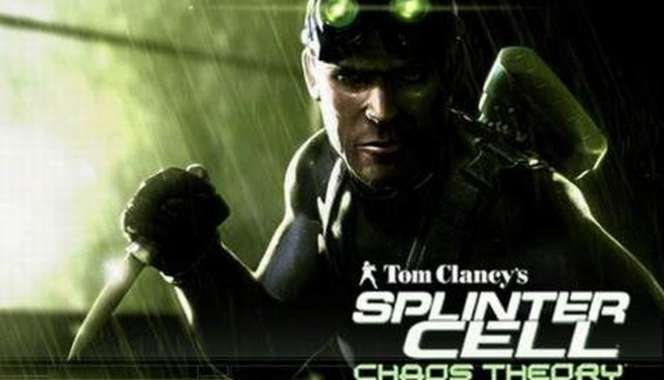
It arrived 18 months after the PS2 but started its own generation: the original Xbox was a beast for the developers of Splinter Cell: Chaos Theory, who leveraged Microsoft’s console to push visuals and gameplay to new heights.
If there’s one game known for being a turning point for Ubisoft, it’s Splinter Cell: Chaos Theory. The third installment in the acclaimed stealth series not only shone for its refined gameplay and level design but, thanks to the original Xbox, marked a before and after in how console hardware could be utilized.
The Original Xbox Created Its Own Microgeneration
Even though Microsoft’s console came to market 18 months after the PS2 and well after the Dreamcast, its architecture allowed for significant advancements in rendering techniques. Clint Hocking, creative director of Chaos Theory, stated in an interview with Edge magazine that the team “couldn’t have squeezed more out of the hardware if we had wanted to.”
In his view, the game helped usher in what he considers the “Xbox microgeneration,” which laid the groundwork for future industry developments, especially in rendering and lighting. According to Hocking, the American machine was key to a “paradigm shift” in graphics development.
The result was evident. Although the title was well received on all platforms, its Xbox and PC versions were crowned as the most acclaimed, exceeding 90 points out of 100 on Metacritic. The dynamic lighting, advanced shadows, and visual detail reached a level that could not be replicated with equal fidelity on PS2, consolidating Chaos Theory as one of the best technical experiences of its generation.
To this day, Splinter Cell: Chaos Theory is still remembered as a benchmark of stealth and an example of how a development team can push hardware to its limits. What began as just another sequel ended up becoming a masterclass in optimization and technical ambition.
Source: 3djuegos











Leave a Reply