
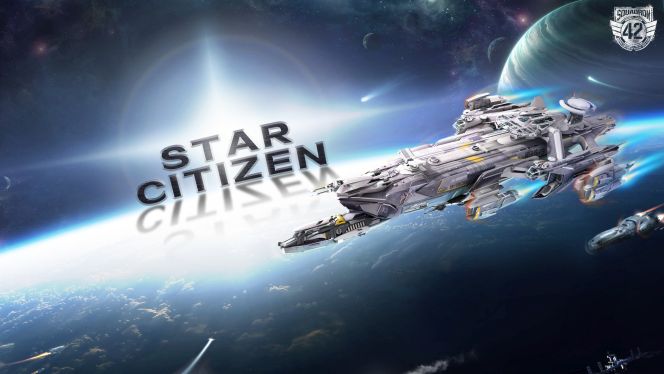
Cloud Imperium Games (CIG) continues to test the patience of its fanbase, as Star Citizen’s elusive 1.0 version remains as distant as ever—replaced instead with yet another monetization scheme.
At the start of 2025, Chris Roberts, CEO of CIG, proudly declared that they were “closer than ever” to achieving their dream: the launch of Star Citizen version 1.0. But he didn’t offer a timeline. Thirteen years after its crowdfunding debut, the project has amassed more than $800 million in funding. While still technically a crowdfunded game, CIG has mastered the art of extracting more cash from its fans through alpha access, subscriptions, merchandise, and eye-wateringly expensive ships. The latest addition? A redesigned referral program aimed at turning diehard players into unpaid recruiters.
There has always been a whiff of spectacle surrounding Star Citizen, but this kind of initiative raises questions about how social networks are being leveraged for profit, not unlike multi-level marketing tactics. Launching July 2, the revamped system tracks referrals with milestones, unlockable rewards, and public leaderboards where players can compete by counting how many people they’ve managed to rope in.
One eyebrow-raising moment during a Q&A referred to potential players as “Prospects”—people who’ve used a referral code but haven’t yet bought a game package. According to CIG, every Prospect will eventually become a paying user. To sweeten the deal, the studio promises more frequent and meaningful unlocks like cosmetics and, for the most dedicated recruiters, the chance to earn top-tier ships. Sounds familiar, doesn’t it? The grand prize is the MISC Raptor, which has made its way onto the reward track—but it’s still in development and won’t be delivered anytime soon.
Roberts once claimed that Star Citizen was entering its final stretch. The long-awaited 1.0 would signify a complete feature and content set for full commercial release. But over a year has passed since that statement, and the game remains in alpha and early access. Roberts insisted that the game’s vision wasn’t wishful thinking and wouldn’t take 10–20 years to fulfill. And yet, here we are.











Leave a Reply