
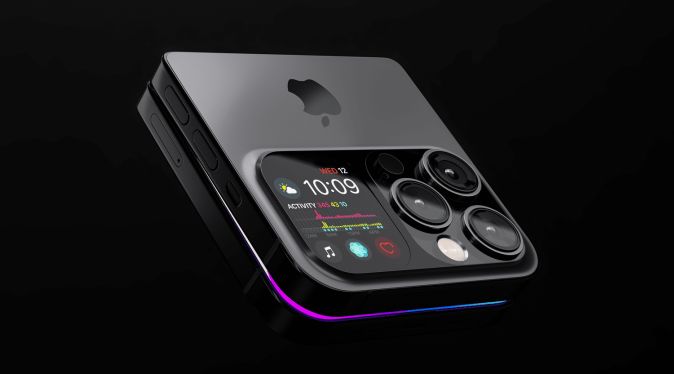
TECH NEWS – Not wanting to follow in the footsteps of others in the market, Apple’s plans may change.
Apple is about to enter the foldable device market with its first iPhone Fold, which is reportedly set to launch in 2026. The company is developing a foldable iPhone to compete with Samsung’s Galaxy Z Fold series. This will be a significant step for Apple as it explores a whole new form factor and aims to redefine the foldable smartphone. Apple could introduce features limited by the screen real estate of current models, including split-view.
Samsung is well ahead of the curve in this category, having released several generations of Galaxy Z Fold models. However, Apple is taking a much more cautious approach. In the latest Power On newsletter, Bloomberg editor Mark Gurman writes that internal comparisons show Apple is targeting a design similar to the Galaxy Z Fold—i.e., a device that opens like a book to reveal a larger display inside. However, the company’s engineers are not happy with the design of the iPhone Fold because it is identical to existing devices. Although Apple wants to make the device thinner and more durable than Samsung’s models, the overall design remains the same.
One of the biggest challenges the company faces is wrinkles on the display, a common complaint with foldable devices. Apple wants its devices to have minimal or no creases, which has potentially caused the delay; meanwhile, Samsung has released products with creases annually. The foldable iPhone has faced numerous engineering challenges in producing a device that is both thin and sturdy without wrinkling the display. These factors have caused Apple to push the launch beyond the planned dates.
According to Gurman, 2026 is the earliest possible release date for the foldable iPhone. Given the company’s high standards, it’s not surprising that the technology will require time to develop before being introduced to the general public. We already know that Apple’s entry into the foldable market will set a new category benchmark — especially if it can bring a thinner, wrinkle-free device to market.















Leave a Reply