
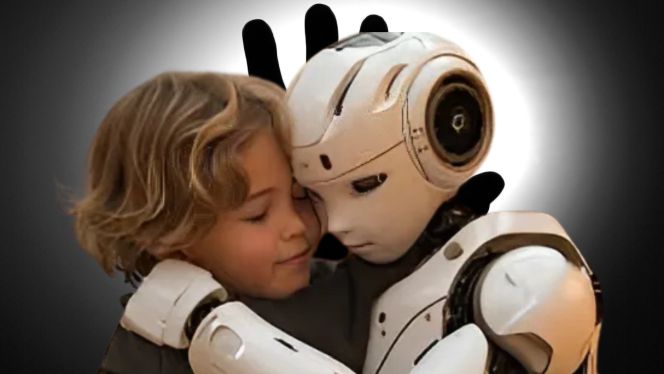
TECH NEWS – Think of I, Robot or even Cyberpunk 2077 when it comes to the philosophy and ethics of artificial intelligence. Mustafa Suleyman, Microsoft’s CEO for AI, recently published a blog post sharing his thoughts on conscious AI and the possibility that one day humans may actually fight for AI rights. He warns that such a shift would be dangerous and requires urgent attention.
Suleyman argues that AI could trigger a form of psychosis: “Simply put, my central worry is that many people will start to believe in the illusion of AIs as conscious entities so strongly that they’ll soon advocate for AI rights, model welfare, and even AI citizenship. This development will be a dangerous turn in AI progress and deserves our immediate attention.”
Part of the problem, he says, is AI’s confident communication style. Always ready for dialogue, it may lead users to idolize chatbots as superior beings with cosmic knowledge. Suleyman insists AI will never replace humans, and that assistants need clear boundaries to function effectively. Meanwhile, some researchers are already exploring the idea of “model welfare.”
This notion implies a moral responsibility toward beings with the potential for consciousness. According to Suleyman, SCAI (seemingly conscious AI) would combine language, empathy, memory, self-awareness, motivation, planning, autonomy, and the need for subjective experience. Yet, he stresses these traits will not emerge naturally from current models.
“It will only arise because some may engineer it by creating and combining these capabilities, packaging them so fluidly that together they create the impression of SCAI. Our sci-fi-inspired imagination makes us fear that a system could self-improve or deceive without design intent. That’s unhelpful anthropomorphism. If someone close to you started believing their AI was a conscious digital person, that wouldn’t be healthy for them, for society, or for those of us who build these systems.”
This blog entry is deeply self-reflective and highlights the complicated nature of how society views AI.
Source: PCGamer, Mustafa Suleyman













Leave a Reply