
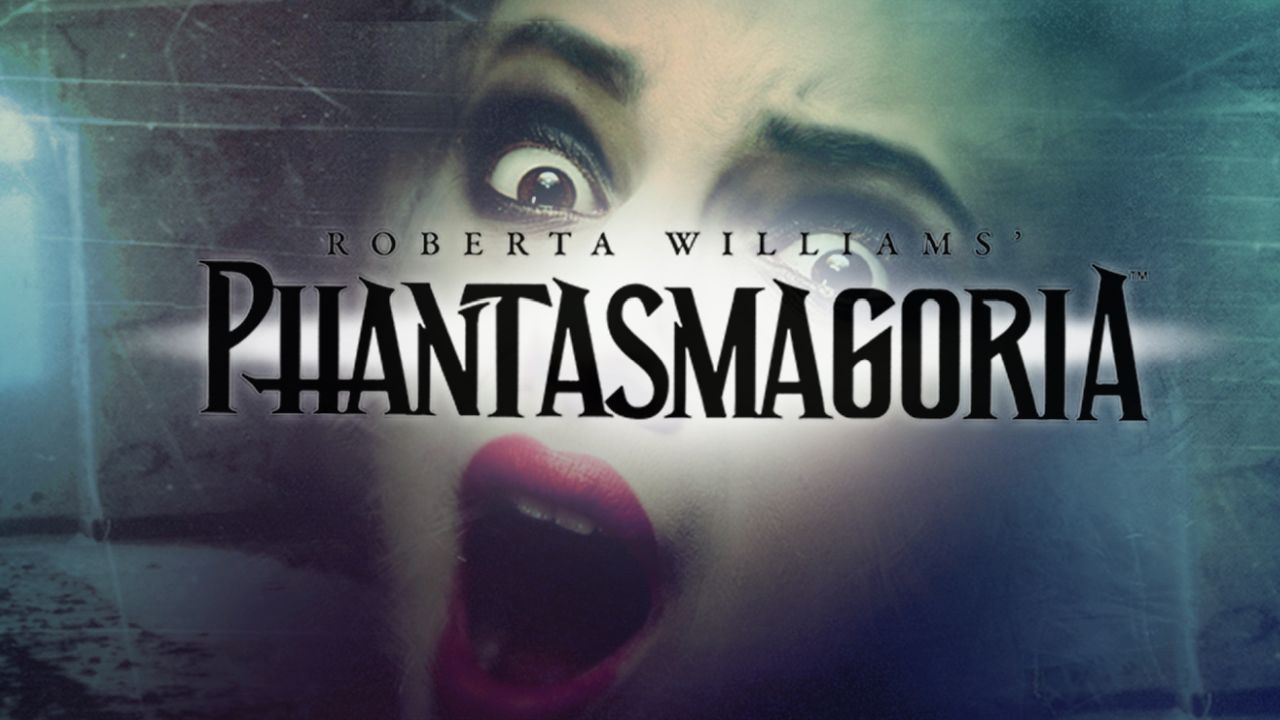
RETRO – Back in the mid-’90s, it was clear that video games were doing their damnedest to catch up with Hollywood. Gameplay alone wasn’t enough anymore—players expected cinematic storytelling, immersive visuals, and movie-like experiences. Enter the CD-ROM, the game-changer that opened the door for live-action video games. And with it came Phantasmagoria: a gutsy horror interactive movie that, even three decades later, can still churn your stomach.
While console gamers were being blown away by titles like Metal Gear Solid and Final Fantasy VII with their sweeping cutscenes and dramatic plots, the CD-ROM had already kicked off a revolution on PC. Full-motion video games started flooding the market, aiming to capture that elusive “movie feel.” Games like Sewer Shark, The 7th Guest, and Night Trap made headlines—some for good reasons, some not. But for me, it was Phantasmagoria that left the deepest impression. I still remember picking it up as a college student, chuckling at the fact it was even advertised in the national press. The vibe stuck with me, even if the finer details faded. Now, 30 years later, I figured it was high time for a revisit. Also… that soundtrack? Still hits like a brick in 2025.
A Passion Project That Became a Controversial Horror Classic
Phantasmagoria was the brainchild of Sierra On-Line’s legendary designer Roberta Williams, best known for the King’s Quest series. She had been sitting on this horror game idea for eight years, waiting for the tech to catch up. The result? A massive 550-page script heavily influenced by Stephen King and Edgar Allan Poe. She pulled together a 25-member cast to bring it to life. Originally slated for a $800,000 budget, the project ballooned to $4.5 million—with $1.5 million going toward a custom-built studio just to film the thing.
Released across a whopping seven CDs, the game raked in $12 million during its launch weekend and quickly became one of the best-selling titles of the year. But commercial success didn’t mean universal praise. Critics called it a showcase of FMV at its worst—hammy acting, insultingly simple puzzles, and a plot that could’ve aired on late-night cable. But the real lightning rod was the game’s extreme content. Phantasmagoria featured graphic deaths using live actors and, most notoriously, a full-on rape scene. That alone was enough for several retailers to pull it from their shelves entirely.
Like a Lost Stephen King Miniseries – With a Demon
From the moment the game boots up, you know you’re in Stephen King territory. It’s basically The Shining meets demonic possession, complete with a writer protagonist. You play as Adrienne, who moves into a seaside mansion with her husband Don, only to discover the place has a disturbingly dark history. As Adrienne explores the sprawling estate, she stumbles across hidden rooms, secret passages, and—oops—accidentally unleashes a demon. Turns out the house’s former owner, 19th-century magician Zoltan “Carno” Carnovasch, had summoned it. The demon then takes hold of Don, sending him on a slow spiral into violence and madness.
What really caught me off guard this time was the game’s slow burn. And I mean that in the best way. The story plays out across seven in-game days—one per CD—and the first three are essentially all about poking around the mansion and meeting the cast. The puzzles aren’t hard, and that’s intentional. You’re supposed to soak in the atmosphere before things go off the rails. In an era where games often throw you into chaos from minute one, it’s refreshing to see one that builds its dread brick by brick.

A Horror Game Dressed as a Point-and-Click
The interface is classic point-and-click, but with its own horror twist. A stone-textured UI frame holds your inventory and a handful of function buttons. You’ve got a little eye icon for examining items, and a red skull for hints. That skull? Lifesaver. It’s clear the devs didn’t want players rage-quitting over some obtuse puzzle. They wanted you to finish it—and be creeped out while doing so.
That’s not to say it’s flawless. There are the usual “How the hell was I supposed to know that?” moments that plague adventure games of the era. But for the most part, the puzzles are manageable. I did lean on a walkthrough here and there—no shame in that—but I still found myself clicking the skull just to hear the hilariously dramatic hint voice. It’s campy, sure, but that’s part of the fun.

Green Screens, Ghosts, and Retro Greatness
Wandering through the mansion is a trip, thanks to the game’s distinct visual flair. Phantasmagoria used live-action actors composited over CG backgrounds, and while it may look janky by today’s standards, it was a technical marvel in ’95. Watching actors interact with invisible props and green-screened environments is delightfully surreal. It creates this uncanny effect that just works. I kept flashing back to my 11-year-old self, imagining how jaw-dropping it must’ve been to witness this for the first time. Even mundane animations—Adrienne sitting on a couch or lounging on a bed—felt like magic back then. And the fact that they bothered to animate so many of these little details shows how committed the team was to immersion.
As for the kills? The gore is glorious. The practical effects, handled by a company called The Character Shop, were over-the-top in all the right ways. A woman’s head gets cleaved by a swinging blade. Another gets stabbed in the face with a garden tool. One guy has his noggin set on fire. It’s gross. It’s goofy. It’s perfect. The séance scene, in particular, nails the FMV-CGI blend like few games ever did. And the compressed video actually makes the deaths feel even rawer and nastier. Phantasmagoria is pure, unfiltered ’90s horror weirdness—and I love it for that.

Cheesy as Hell, But That’s the Charm
Let’s not pretend the story makes total sense. Don and Adrienne move into a haunted McMansion with locked-off wings, a literal torture room, and a crib that looks like it’s been abandoned since the Civil War—and nobody bats an eye. There’s no locksmith, no priest, no “maybe we should sleep at a motel” moment. Just vibes. The supporting characters are a mixed bag too. There’s the sleazy, womanizing realtor and a mentally slow man meant to serve as comic relief—both of which haven’t aged particularly well. But honestly, that all adds to the B-movie flavor. It feels like one of those early-2000s Stephen King miniseries—awkward, earnest, and somehow endearing despite itself.

A Game That Still Echoes 30 Years Later
It’s rare to revisit a game after 30 years and still find something worthwhile—but Phantasmagoria pulls it off. It’s a snapshot of a very specific era, capturing both the best and worst of the FMV craze with no apologies. While I mostly remembered the blood and guts, I was surprised to find a surprisingly effective story underneath. One about a woman slowly being trapped in a violent, abusive relationship, set against the backdrop of a cursed mansion and a demonic puppet master.
If you’ve got a taste for camp, old-school horror, and games that aren’t afraid to go too far, Phantasmagoria is still absolutely worth your time. Whether you’re playing for nostalgia or discovering it fresh—just buckle up. It’s one hell of a ride.
– Gergely Herpai “BadSector” –







Leave a Reply